How Often to Replace Heat Pumps: Guidelines for 2026
Learn when to replace your heat pump, key signs to watch, and the cost, ROI, and rebates for 2026. Heatpump Smart guides homeowners and pros with practical, data-driven planning.


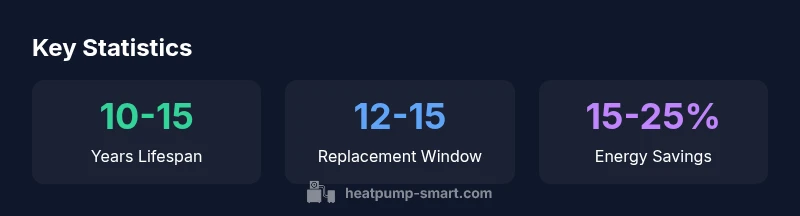
Typically, a well-maintained heat pump lasts about 10 to 15 years, with replacement most practical around the 12 to 15 year window. Factors like local climate, usage patterns, maintenance, and prior repairs influence timing. If you see rising energy bills, frequent malfunctions, reduced heating or cooling performance, or refrigerant concerns, start planning a replacement. Heatpump Smart Analysis, 2026, provides these guidelines.
Why Replacement Timing Matters
The decision of when to replace your heat pump is not simply about age. It’s a balance between reliability, comfort, and operating cost. Understanding how often to replace heat pump is central to planning upgrades that minimize downtime and energy waste. In general, a well-maintained system will run efficiently for about 10 to 15 years, with many homes finding the practical window around year 12 to 15. This timing aligns with typical efficiency drops as refrigerant seals degrade, compressors wear, and fan motors become noisier. According to Heatpump Smart, decisions anchored in data—rather than emotions about a noisy unit—lead to smoother transitions and better long-term savings. The core idea is to replace before a cascade of expensive repairs erodes comfort and value. Think of replacement planning as part of regular home maintenance, like updating insulation or a roof, not as a sudden emergency.
Factors That Influence Replacement Timing
Several variables determine when it makes sense to replace a heat pump, beyond its numeric age. Climate extremes, hours of operation, and occupancy patterns affect wear and tear. A heat pump in a hot, humid climate runs longer in cooling mode, accelerating compressor aging. Compare air-source models against geothermal systems; geothermal units often have longer anticipated lifespans but higher upfront costs. Efficiency ratings such as SEER and HSPF decline with age, reducing seasonal energy savings. Proper maintenance, refrigerant integrity, and coil cleanliness help maximize the years between replacements but cannot reverse natural aging. It’s also worth considering warranty coverage and the quality of local installation—the two factors that often determine whether a repair or a replacement makes economic sense. Heatpump Smart’s broader research indicates that timely replacement, paired with upgrades to high-efficiency equipment, pays off through lower energy bills and improved comfort over time.
Signs It’s Time to Consider Replacement
Watch for a combination of symptoms rather than a single issue. Frequent outages or repairs that exceed a year's energy savings, unusual noises, ice buildup on the outdoor unit, or a noticeable drop in heating or cooling capacity are strong signals. If your contractor recommends multiple major repairs within a 12-month period, a replacement often becomes the wiser financial choice. Energy bills that steadily climb despite proper maintenance are another clear indicator. If you’re already budgeting for an upgrade, evaluating a newer, high-efficiency model can lock in savings over the next decade. Heatpump Smart notes that trusting objective signals over sentiment about a malfunction leads to long-term reliability.
How to Plan a Replacement in 2026
Start with a professional assessment to establish the current condition and remaining life. Gather at least three quotes from reputable installers to compare equipment options, warranties, and timelines. Prioritize units with high SEER and HSPF ratings, efficient compressors, and refrigerant compatibility with local regulations. Consider the system type (air-source, ducted, or geothermal) and whether you want smart thermostats or zoning controls to maximize efficiency. Don’t overlook rebates or tax incentives; many programs exist at local, state, and federal levels, which can substantially affect the final cost. Create a replacement timeline that minimizes downtime—aim for late spring or early fall when extreme temperatures are less likely—and plan for commissioning and a post-installation performance check.
Cost Considerations and ROI
Replacement costs vary widely by system size, efficiency, installation complexity, and region. Typical installed costs can range from a few thousand to well over ten thousand dollars, with higher-efficiency models and geothermal options commanding higher price tags. Despite the upfront expense, the ROI from upgraded efficiency, improved comfort, and potential rebates can be substantial over 5–15 years. Heatpump Smart’s analysis emphasizes comparing annual energy savings against the upfront cost to determine payback periods. In many cases, a well-planned replacement pays for itself within a decade through lower utility bills and improved home value.
Maintenance Tips to Extend Life
Even if you’re several years from replacement, regular maintenance can stretch the life of a heat pump. Schedule professional cleanings and inspections annually or twice a year for high-use systems. Change or clean filters monthly during peak seasons, keep outdoor coils clear of debris, and check for refrigerant leaks during service visits. When an issue is detected, address it promptly rather than deferring repairs. A well-maintained unit not only lasts longer but operates more efficiently, delivering consistent comfort and lower energy costs.
Lifecycle benchmarks by system type
| System Type | Avg Lifespan | Efficiency Range |
|---|---|---|
| Air-source (split) | 10-15 years | SEER 14-21 |
| Geothermal (ground-source) | 25+ years | COP 3.0-5.0 |
| Ductless mini-split | 10-15 years | SEER 16-30 |
Your Questions Answered
How often should I replace a heat pump?
Most homes replace their heat pump after about 12–15 years, depending on use, maintenance, and climate. A professional assessment helps confirm whether repair or replacement is the better option for your situation.
Most heat pumps are replaced around 12 to 15 years, but get an expert assessment to be sure.
What signs indicate replacement rather than repair?
Rising energy bills, frequent breakdowns, reduced comfort, unusual noises, or refrigerant leaks are strong indicators that replacement may be more cost-effective than ongoing repairs.
Look for rising bills and frequent failures as strong indicators to consider replacement.
Can I extend the life of my heat pump?
Yes. Regular maintenance, timely refrigerant checks, coil cleaning, and filter changes can extend life and optimize efficiency between replacements.
Regular maintenance can push replacement further out and boost efficiency.
Are rebates available for replacing a heat pump?
Rebates and tax incentives are common across regions. Check federal, state, and local programs to maximize savings during replacement.
There are often rebates; check local programs for savings.
Repair vs. replace: what’s the better path?
If repair costs approach or exceed half the price of a new unit, or reliability is a concern, replacement is usually the wiser choice.
If repairs are costly or unreliable, replace rather than repair.
“"A well-planned replacement not only improves efficiency but also enhances home comfort and reliability."”
Top Takeaways
- Plan replacement around year 12–15 for best efficiency gains.
- Watch for signs like rising bills and frequent repairs as signals.
- Get multiple quotes and compare SEER/HSPF ratings before buying.
- Account for rebates and incentives to improve ROI.
- Regular maintenance extends life and preserves performance.