How to Get Air Out of a Heat Pump System: A Practical Guide
Learn how to safely remove air from a heat pump system with a clear step-by-step process, essential tools, safety tips, and prevention strategies for reliable performance.


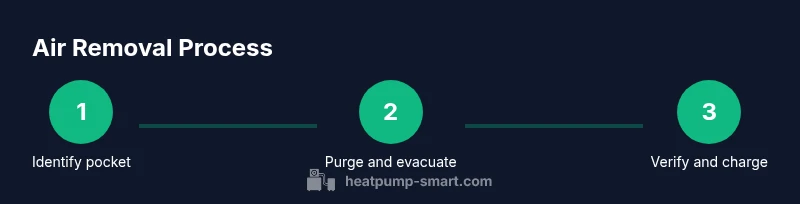
To get air out of a heat pump system, you’ll purge the refrigerant lines, vent air pockets from the outdoor unit and indoor coil, and verify pressures using appropriate recovery equipment. This guide explains safety checks, the essential tools, and a concise, six-step process to restore efficient operation and reliability.
Understanding why air enters the system
Air in a sealed heat pump loop mainly enters when lines are opened for service, fittings loosen, or during a refrigerant recharge. Refrigerant is sealed under pressure; when air slips in, it creates pockets that disrupt flow and heat transfer. Air also carries moisture, which can condense inside the coil and promote corrosion or ice build-up on the evaporator in cold seasons. The result is reduced capacity, higher energy use, and uneven temperatures. According to Heatpump Smart, air can accumulate at the highest points in the system, often near service ports or branch lines, and then migrate through the loop as the compressor cycles. Understanding these pathways helps you plan a safe purge and reduces the frequency of air removal. When purging, technicians focus on eliminating pockets at the highest points first, then verify that the refrigerant and oil are riding at the correct pressure differential. Always comply with local regulations and environmental rules for refrigerant handling. Proper purge not only restores efficiency but also extends component life by avoiding cavitation and oil starvation. Even small amounts of air can cause audible gurgling and short cycling. The purge should be performed with the system powered down or isolated to prevent accidental energization during service.
Signs you have air in the system
Common symptoms of air in a heat pump system include erratic cycling, frost or ice on the outdoor coil, reduced cooling or heating capacity, and unusual noises like banging or gurgling when the pump starts. Pressure readings may show abnormal high side pressure or fluctuating values; an electronic pressure gauge can help detect variability. Air in the system can also cause compressor overheating because refrigerant is not circulating properly. Heatpump Smart analysis shows that air pockets typically first appear as pressure anomalies rather than obvious leaks, so regular diagnostic checks are essential for early detection.
Safety and preparation
Safety first: before touching any live refrigerant lines, shut off the heat pump and disconnect power at the breaker. Wear approved PPE, including safety goggles and gloves, and keep a clean work area. Do not attempt recovery unless you’re trained and compliant with local environmental regulations. If you detect a refrigerant odor or suspect a leak, leave the area and contact a licensed technician. For many homeowners, working with refrigerants requires a certified recovery device and adherence to EPA guidelines; improper handling can cause harm and legal issues.
Tools and setup you’ll need (overview)
A safe purge relies on a properly equipped setup: a refrigerant recovery system, a manifold gauge set, and a vacuum pump, plus protective gear and containment supplies. You’ll connect service ports carefully, verify seals, and plan to evacuate moisture and air without releasing refrigerant to the atmosphere. The exact configuration depends on your system type (split, packaged, or heat pump water heater) and local regulations. This section provides the framework for gathering tools and preparing the workspace before any purge begins.
Purge concepts and when to purge
Purging removes air pockets by forcing refrigerant through the lines in a controlled manner. If a service opening is unavoidable, purge is typically performed immediately after reassembly to push out contaminants. In some cases, a dry nitrogen purge is used to inert the lines before charging, which can reduce moisture carryover. The goal is complete displacement of air and moisture from the critical circuit while preserving oil charge and lubrication for the compressor.
Verifying the purge: tests and readings
After purging, verify system integrity with pressure readings, temperature differentials, and observable operational behavior. Look for stable high and low side pressures within manufacturer specifications and a clean, uninterrupted run cycle. If any anomalies persist, re-check for leaks, tighten fittings, and consider a second purge. Heatpump Smart emphasizes documenting readings for future maintenance and warranty records.
Maintenance to prevent future air ingress
Prevention is better than purge: ensure service ports are properly sealed, brazing joints are tight, and fittings are compatible with the refrigerant type. Schedule regular leak checks and refrigerant recovery system testing, so future service doesn’t introduce air again. Replace worn gaskets and verify that all electrical connections remain secure. A proactive maintenance plan helps maintain efficiency and extend equipment life.
Common mistakes and how to avoid them
Avoid venting refrigerant to the atmosphere; use a recovery device and follow legal guidelines. Don’t mix dry nitrogen purge with direct refrigerant charging without proper sequencing. Don’t skip pressure checks or run the system without confirming a leak-free loop. Finally, don’t assume the purge is complete after one pass—many systems require scrupulous verification and, sometimes, multiple purges to clear stubborn pockets.
Real-world scenarios and best practices
In residential retrofits, air ingress often happens when line sets are cut and reattached. Best practice is to perform a full purge with the system isolated, re-check all seals, and perform a gentle start-up while monitoring readings closely. For commercial systems, plan purge intervals around peak load times to minimize downtime and ensure consistent performance across zones. Heatpump Smart’s recommended approach is to pair systematic purges with routine diagnostic checks to sustain efficiency and comfort.
Tools & Materials
- Recovery machine(to safely recover refrigerant before opening lines)
- Manifold gauge set(to measure pressures during purge and confirm valve positions)
- Vacuum pump(to evacuate air and moisture from the lines)
- Hose adapters and fittings(connect service ports securely)
- Safety goggles or face shield(eye protection against refrigerant spray or debris)
- Nitrile gloves(chemical resistance and grip)
- Rags or towels(clean up spills and wipe service ports)
- Leak detector (optional)(for early leak detection)
- Dry nitrogen cylinder (optional)(purge and inert lines before charging)
Steps
Estimated time: 60-90 minutes
- 1
Power down and secure the system
Shut off the outdoor unit power and disconnect it from the electrical supply. Lockout the breaker if available. This prevents accidental energization during service and reduces the risk of personal injury or compressor damage. Ensure all capacitors are safe to handle and the work area is dry.
Tip: Always verify power is truly removed with a non-contact tester before touching any connections. - 2
Attach recovery equipment and verify seals
Set up the refrigerant recovery system according to manufacturer instructions. Connect the hoses to the service ports securely and inspect seals for leaks. Only work with the system depressurized as required by your local regulations and the EPA rules for refrigerant handling.
Tip: Check that hoses are rated for the system’s refrigerant and that the recovery unit is functioning before ignition. - 3
Purge air from the lines
If your setup allows, initiate a purge to push air pockets toward the recovery unit. This step should be performed slowly to prevent pressure spikes that could damage components. If using dry nitrogen, introduce a gentle inert purge to minimize moisture carryover.
Tip: Do not exceed recommended purge flow; rapid purges can cause valve damage or oil migration issues. - 4
Vacuum the lines and remove moisture
Run the vacuum pump to evacuate residual air and moisture from the circuit for the recommended time. Monitor the vacuum level to ensure a deep enough pull. This improves refrigerant charge accuracy and compressor lubrication.
Tip: A deep vacuum minimizes moisture-related problems and helps achieve stable operating pressures. - 5
Check pressures and reseal
Reconnect the sensing hoses, power the unit, and monitor high/low side pressures with the manifold gauge. If readings stay within factory specs, reseal all service ports and confirm there are no leaks before charging.
Tip: Document readings for future maintenance and warranty records. - 6
Recharge carefully and test run
Charge the system to the correct refrigerant level per the manufacturer’s spec, then run the heat pump across cooling and heating modes. Observe for smooth operation, proper cycling, and absence of unusual noises or frost.
Tip: Avoid overcharging; use a charging scale or manufacturer guidance to reach the target charge.
Your Questions Answered
What causes air to get into a heat pump system?
Air ingress typically happens when service ports are opened, fittings loosen, or during refrigerant charging. Cracks or leaks may also create pathways for air and moisture. Proper sealing and careful service practices minimize these risks.
Air gets into the system mainly when service ports are opened or connections loosen. Seal and careful servicing prevent this.
Can I remove air without a recovery machine?
Removing air without a recovery device is not recommended and may be illegal in some areas. A certified recovery machine ensures air and refrigerant are handled safely and in compliance with regulations.
No. Use a recovery machine and follow local rules to handle refrigerant safely.
Is purging safe for all heat pumps?
Purging is generally safe when performed by trained personnel with proper equipment. Some systems require manufacturer-specific procedures, so consult your manual and maintain compliance with regulations.
Purging is safe when done with the right tools and guidance, but follow your system’s manual.
How long does purge and recharge take?
Time varies by system size and complexity, but expect a dedicated purge and recharge session to take approximately 60 to 120 minutes. Have a diagnostic plan ready before starting.
It usually takes about an hour or two, depending on your setup.
Should I hire a professional?
If you are not trained in refrigerant handling, a licensed technician is recommended. They can ensure compliance with environmental and safety regulations and verify system integrity.
If you’re unsure about handling refrigerants, call a pro to avoid hazards and violations.
What indicates a successful purge?
Expect stable, manufacturer-specified pressures, no frost on critical coils after startup, and smooth cycling without noise. A final leak check confirms purity of the purge.
Stable pressures and a quiet, smooth run show success.
Watch Video
Top Takeaways
- Purge air pockets methodically to restore efficiency
- Use proper recovery gear and PPE at all times
- Verify pressures and system integrity before charging
- Regular maintenance prevents future air ingress