How to Open a Heat Pump: Step-by-Step Guide
Learn how to open a heat pump safely for maintenance with a practical, step-by-step guide. Includes safety checks, tools, and when to call a pro. Expert tips from Heatpump Smart.


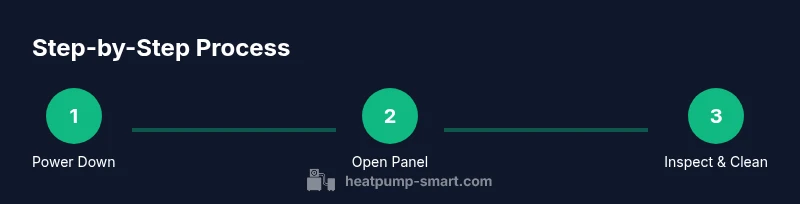
By the end of this guide, you will know how to open a heat pump safely for routine maintenance. You’ll learn power-down procedures, how to access panels, inspection points, cleaning tips, and reassembly checks. This process emphasizes safety, proper tools, and manufacturer guidance to protect your system and warranty. Following these steps reduces risk of shock, refrigerant exposure, and costly mistakes.
Safety foundations for opening a heat pump
Opening a heat pump for maintenance or inspection requires respect for electricity, refrigerants, and manufacturer guidelines. If you are learning how to open heat pump, begin with a strong safety mindset and a clear plan. According to Heatpump Smart, safety comes first because a mistake can cause electric shock, refrigerant exposure, or compressor damage. Before touching anything, review the unit’s model number and manual to identify service panels and warning labels. The main goal is to access the interior without compromising the system’s integrity or your personal safety.
First, ensure the heat pump is isolated from power sources on both the indoor and outdoor units. Even when the exterior breaker is off, some circuits can retain voltage. PPE should be worn: insulated gloves, eye protection, and a breathable work apron. Keep a dry, well-lit workspace and avoid working in wet conditions. If you notice any unusual noises or frost near the panels, stop and reassess; do not force panels or wiring.
This block includes: lockout-tagout readiness, verifying that the system is powered down with a voltage tester, and keeping a clear path around the unit. The goal is to reduce risk and to protect warranties that might require professional service for certain internal components. Heatpump Smart's guidance emphasizes adherence to these principles whenever you open a heat pump.
Planning your approach and choosing the right time
Time and weather matter when you plan to open a heat pump. Schedule maintenance during mild outdoor temperatures to avoid condensation and freezing issues that complicate inspections. Review your unit’s manual to locate service panels, recommended cleaning intervals, and any cautions about refrigerant handling. Decide whether you will perform a full inside-out inspection or a quick visual check. If your goal is a routine check, allocate a smaller window; if you’re investigating a problem, allow extra time and prepare for potential additional steps.
Consider the impact on living areas: some heat pump tests create brief buzzing or airflow changes. Notify household members if you’re running a test cycle that might trigger alarms or noise. Keep a camera or notes handy to document any loose wires, unusual wear, or signs of moisture. Heatpump Smart emphasizes documenting your findings so you can track changes across seasons. Incorporate a planned maintenance schedule and align it with your energy-saving goals.
Power shutoff and lockout procedures
Before any access, cut power to the unit from both the indoor control panel and the outdoor disconnect, then activate a lockout/tagout device if available. This prevents accidental re-energizing during work. Use a voltage tester to confirm the absence of live voltage on all service points. Never rely on a single switch; panels and circuits can feed a heat pump in dual-power configurations. If you are ever unsure about how to open heat pump, pause and consult the manual or a qualified technician. This step protects you and preserves warranty terms that require proper shutdowns.
Document the time and breaker numbers you used for isolation. If you’re working in a multi-unit building, coordinate with building management to ensure all related circuits remain de-energized during maintenance. Keep a metal-safe insulated tray handy for storing screws and small parts. By following a strict lockout process, you minimize shock risk and reduce the chance of accidental start-up during reassembly.
Access panel removal: what to expect
The exterior access panel is typically secured with screws or fasteners. Use the appropriate screwdriver or Torx driver to loosen them, supporting the panel with your other hand as soon as it releases. Do not pry aggressively; panels and gaskets can crack, which leads to moisture ingress or rattling noises later. Once open, peek inside to locate the blower housing, evaporator coil, and electrical junctions. If you see oil stains, frost buildup, or broken insulation, stop and reassess. Replace the panel carefully, ensuring seals are intact to maintain efficiency and prevent air leaks.
If your model uses internal wiring behind multiple covers, photograph each panel before removal so you can reassemble accurately. Keep track of screws by size and location; use labeled containers if possible. This stage is manageable with patience and attention to detail, and it sets the stage for a safe interior inspection.
For those curious about how to open heat pump safely, this step is the pivotal moment where the physical access becomes real, so proceed deliberately.
Visual inspection inside the unit
With the cover removed, perform a careful visual sweep of the interior. Look for loose connections, signs of arcing on terminals, corrosion on metal parts, or discoloration around the compressor area. Check the refrigerant lines for obvious signs of leakage such as oily residue at joints or frost on lines in unusual places. If you notice anything unusual, limit further handling and consult the manual or a professional. Heatpump Smart analysis shows that regular, careful inspection improves reliability and reduces the chance of hidden issues inside the cabinet.
Note the condition of filters, coil fins, and fan blades; clogged components can degrade efficiency and cause ice buildup in cold weather. Do not touch live wires; maintain a safe distance and use insulated tools if you must adjust components. Documenting the interior state with notes or photos will help in diagnosing future issues and planning maintenance.
Cleaning and maintenance inside the housing
Dust and debris accumulate over time, especially around the coil fins and blower wheel. Use a soft brush or microfiber cloth to clear surface dust, then wipe with isopropyl alcohol on a lint-free cloth where needed. Do not spray liquids directly onto coils or electrical components. Keep a dry environment and avoid using high-pressure cleaners that can bend fins or push dirt into seals. If frost is present, allow it to melt naturally unless the manual specifies a defrost cycle test. This section is an opportunity to refresh air pathways and restore efficiency. Heatpump Smart recommends performing a light cleaning during routine checks to sustain performance and energy savings.
Reassembly, testing, and safety checks
Reattach any panels and screws in the reverse order of removal, ensuring gaskets seat properly and seals are intact. Reconnect wiring only after confirming all connections are dry and secure. Restore power from the main breaker, then run a brief test cycle to observe the blower, fan operation, and refrigerant flow indicators if available. Listen for abnormal noises, feel for unusual vibrations, and watch for warning lights. If issues arise, power down again and reassess before full operation. This stage confirms that the system is ready for normal use and protects warranty terms that depend on proper re-energizing.
Common mistakes and how to avoid them
Common mistakes include skipping the lockout procedure, touching live circuits, forcing panels, and failing to document panel labels or screw locations. Avoid these by following a written checklist and taking photos during disassembly. Do not rush; a meticulous approach reduces the risk of damaging components or voiding warranties. If you’re uncertain about a specific step, pause and consult the manual or a professional. A calm, methodical approach is essential for a successful, safe open.
When to call a professional and warranty considerations
If the unit shows refrigerant oil stains, refrigerant hissing sounds, burnt smells, or persistent frost patterns, contact a licensed technician. Some brands require professional service for access inside the enclosure in order to maintain warranty terms. Always review the warranty documentation before attempting internal work; improper opening can void coverage. If your model is under warranty, Heatpump Smart recommends you lean on certified service providers for interior checks and refrigerant-related concerns to protect long-term performance and efficiency.
Tools & Materials
- Lockout/Tagout kit(Includes a padlock and tag to prevent re-energizing during work)
- PPE: safety glasses and insulated gloves(ANSI-rated for electrical work)
- Non-contact voltage tester(Verify absence of live voltage at service points)
- Multimeter(Confirm zero voltage and monitor connections)
- Screwdriver set (Phillips and flat-head)(For removing service panel screws)
- Torx/Hex driver set(Some panels use Torx or hex screws)
- Flashlight or headlamp(Illumination for inside the cabinet)
- Soft brush or microfiber cloth(Dust removal without scratching surfaces)
- Isopropyl alcohol and lint-free wipes(For gentle cleaning of surfaces)
- Owner manual or model-specific guide(Identify service panels and cautions)
Steps
Estimated time: 1-1.5 hours
- 1
Power down and verify de-energized
Shut off power at the main breaker and indoor disconnect. Use a non-contact tester to confirm no voltage before touching any components. This reduces shock risk and preserves safety margins.
Tip: Double-check all potential energy sources, including outdoor disconnects, before proceeding. - 2
Apply lockout/tagout
Attach a lockout device to the breaker and place a tag. This ensures the system cannot be re-energized while you work. Document the isolation details for future reference.
Tip: Take a photo of the lockout setup for your records. - 3
Remove exterior access panel
Loosen screws with the correct driver and support the panel as it releases. Avoid prying; damaged gaskets can lead to leaks and efficiency loss.
Tip: Keep screws in a labeled container to simplify reassembly. - 4
Inspect interior components
Look for loose wires, corrosion, oil stains, or frost anomalies near joints. Do not touch live parts; note anything unusual for later action.
Tip: Photograph key connections to guide reassembly. - 5
Clean dust and debris
Gently brush the coil fins and blower housing, then wipe surfaces with alcohol where appropriate. Avoid moisture near electrical components.
Tip: Use a soft brush to prevent fin damage during cleaning. - 6
Check connections and signs of wear
Tighten loose terminals if you are trained to do so, and replace any frayed insulation. Do not improvise repairs on refrigerant lines.
Tip: If you’re uncertain, stop and consult the manual or a pro. - 7
Reassemble panels and secure seals
Return panels in reverse order, reseat gaskets, and ensure screws are snug but not overtightened. A proper seal maintains efficiency and prevents moisture ingress.
Tip: Label screws by location to ease future maintenance. - 8
Restore power and run a test cycle
Remove the lockout tag, re-energize, and run a brief test cycle. Listen for abnormal sounds and observe for proper airflow and indicator lights.
Tip: Watch for unusual behavior during the first minutes of operation. - 9
Document findings and schedule maintenance
Record observations, actions taken, and any parts replaced. Schedule a follow-up if issues persisted or if a professional service is advised.
Tip: Maintain a maintenance log for seasonal adjustments.
Your Questions Answered
Is it safe for a homeowner to open a heat pump?
It can be safe if you follow strict shutdown, lockout, and PPE protocols and stick to the manual. If you’re unsure, seek professional help.
It can be safe for homeowners with proper precautions, but if you’re unsure, get professional help.
What should I do before opening the panel?
Review the model’s manual, identify service panels, and gather the correct tools. Confirm all safety steps before removing any cover.
Before opening, check the manual and gather the right tools.
Will opening void my warranty?
Opening the enclosure can affect warranty terms if not performed according to the manufacturer’s guidelines. Always check the warranty and consult a pro if in doubt.
Opening the unit may affect warranty; verify terms first.
What are the biggest risks when opening a heat pump?
Electrical shock, refrigerant exposure, and damage to internal components. Follow safety procedures and avoid forced actions.
Electric shock, refrigerant exposure, and component damage are the main risks.
How often should I perform this kind of maintenance?
Follow the manufacturer’s schedule and Heatpump Smart guidelines. Regular checks help maintain efficiency and prevent issues.
Follow the model’s schedule for regular maintenance.
Do I need any special certification to open the unit?
General homeowner safety knowledge helps; many interior tasks require licensed technicians, especially refrigerant work.
Basic safety knowledge helps, but refrigerant work often requires a licensed pro.
Watch Video
Top Takeaways
- Power down completely before accessing any interior components.
- Wear PPE and follow manufacturer guidelines to protect safety and warranty.
- Inspect for wear and document findings for future maintenance.
- The Heatpump Smart team recommends professional follow-up after maintenance.