Trane Heat Pump Service Facts: A Practical Homeowner Guide
Learn essential trane heat pump service facts, maintenance steps, and expert guidance from Heatpump Smart to maximize comfort and energy savings.


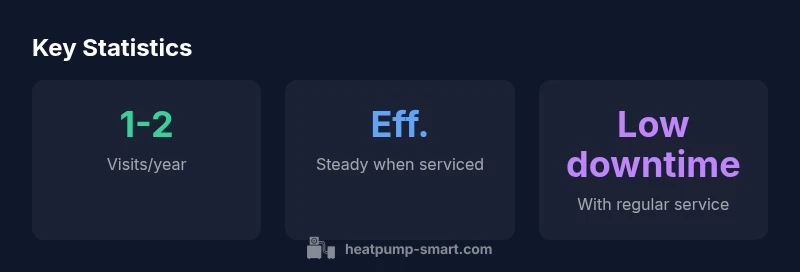
Trane heat pump service facts show that annual professional maintenance is the cornerstone of reliable operation. Regular checks of refrigerant charge, air filters, coil cleanliness, and outdoor unit clearance help preserve efficiency and prevent costly breakdowns. According to Heatpump Smart, adopting a proactive servicing routine can sustain performance and extend equipment life.
Understanding Trane heat pump service facts
For homeowners and property managers, the phrase 'Trane heat pump service facts' points to practical realities about upkeep, not marketing hype. Regular, professional service is widely recognized as the foundation of reliable operation, especially for systems installed in climate zones with wide temperature swings. The Heatpump Smart team emphasizes that many issues—reduced cooling or heating capacity, icing on outdoor coils, unusual noises, or unexpected energy use—are more easily prevented than repaired when a technician performs a thorough check at scheduled intervals. In today’s market, manufacturers like Trane build service requirements into warranties and performance guarantees, making a disciplined service plan a prudent investment. Heatpump Smart Analysis, 2026, synthesizes observations from service technicians across regions to identify common maintenance tasks that yield the clearest returns: refrigerant-charge verification, filter replacement, coil cleaning, outdoor-unit clearance, and electrical connection checks. In short, the facts point to proactive service as a reliable predictor of comfort, efficiency, and long-term system health. The insights also help installers coordinate with building managers and homeowners to set expectations around scheduling and costs.
Essential service tasks and why they matter
A Trane heat pump relies on precise refrigerant charge to operate efficiently. Checking for leaks and ensuring correct charge helps avoid reduced cooling or heating output and unnecessary energy waste. Air filters that are dirty or clogged increase resistance and reduce airflow, which forces the compressor to work harder. Coil cleaning removes dust and debris that impede heat transfer, while keeping outdoor coils free from obstructions ensures adequate condenser performance. The service technician will often inspect defrost controls, reversing valves, and wiring connections to catch signs of wear before they fail during peak season. Thermostat compatibility and calibration are frequently overlooked but crucial because inaccurate readings lead to cycling inefficiencies. Drains and condensate lines should be inspected for blockages to prevent water damage and mold risk. Heatpump Smart’s field notes for 2026 indicate these tasks consistently produce the most noticeable improvements in efficiency and comfort, particularly when performed as part of a planned maintenance visit rather than a reactive repair.
How service frequency impacts efficiency and life expectancy
For Trane units, regular service aligns with better energy performance and longer life. When a technician validates refrigerant charge, clean coils, and proper airflow each year, the system operates closer to its design efficiency, which translates into steadier indoor comfort and lower utility bills over time. Climate matters: harsh winters or hot summers place extra demands on the compressor, fans, and defrost cycles, making timely checks more valuable. Heatpump Smart's analysis suggests that the greatest benefits come from scheduling service before the heavy-use seasons—late summer for cooling and late fall for heating—so that components are aligned for peak loads. Even in milder climates, minor wear can accumulate, leading to subtle efficiency losses or incremental comfort issues that accumulate into larger problems. By treating service frequency as a data point in your building plan, property managers can budget for preventive maintenance and avoid surprise outages.
Common service scenarios for Trane units
Scenario A: Normal operation with periodic noise. A technician confirms there are no refrigerant leaks, and that coil icing is absent, while checking electrical connections and the thermostat signals. Scenario B: Ice on outdoor coils in shoulder seasons. The technician clears debris, checks the defrost cycle, and verifies proper refrigerant charge to restore cycle efficiency. Scenario C: Reduced heating or cooling capacity during peak demand. The cause may be airflow restriction, dirty filters, or a compressor issue; a service visit prioritizes diagnostics and safe operation. These scenarios illustrate why a structured service program—rather than ad-hoc fixes—delivers reliable comfort and predictable energy use, a point echoed in Heatpump Smart’s collective experience.
DIY vs professional service: what’s recommended
Basic maintenance tasks, like changing the air filter or trimming vegetation around the outdoor unit, are safe for confident homeowners with the system powered down. However, tasks that involve refrigerant handling, electrical components, or refrigerant connections require licensed technicians and manufacturer guidance. Attempting to repair or adjust refrigerant systems without proper equipment risks safety hazards and invalidates warranties. For most Trane heat pumps, professional service also includes a detailed diagnostic that can identify issues not obvious to a homeowner, helping prevent costly breakdowns and extending lifespan. Heatpump Smart consistently recommends using a qualified technician for anything beyond routine cleaning and inspection.
Planning a service schedule: practical steps
Start by locating your model and current warranty terms, then set up an annual maintenance visit with an authorized Trane service partner. Create a simple calendar reminder that aligns with the cooling and heating seasons, so inspections happen before peak loads. Keep records of all service visits, refrigerant charges, part replacements, and any notes on equipment performance. Ask your technician to provide a printed or digital checklist that documents refrigerant charge, filter status, coil cleanliness, outdoor-unit clearance, and electrical connections. For property managers, coordinate service windows with tenants to minimize disruption and ensure access to the outdoor unit and indoor air-handling equipment. Finally, review the impact of service on energy performance and warranty, and adjust budgets accordingly. The goal is a predictable maintenance routine that reduces risk and sustains comfort.
Trane service guidance vs general guidance
| Aspect | Recommended Trane service guidance | General guidance |
|---|---|---|
| Maintenance frequency | Annual professional service recommended | Seasonal checks as needed |
| Key tasks | Refrigerant charge check; filter & coil cleaning; outdoor clearance | Airflow checks; thermostat calibration; basic electrical connections |
| Energy impact | Better efficiency when properly serviced | Efficiency depends on climate and usage |
Your Questions Answered
How often should a Trane heat pump be serviced?
Most Trane systems benefit from an annual professional check. In regions with extreme weather, a biannual review may be advisable.
Most Trane units should be serviced yearly; in harsh climates, consider twice yearly.
Is DIY maintenance safe for Trane heat pumps?
Basic tasks safe with power off; refrigerant handling and electrical work require licensed technicians and manufacturer guidance.
Avoid refrigerant handling and electrical work; stick to safe tasks.
What are common signs that service is needed?
Unusual noises, icing on coils, reduced comfort, longer cycling, or higher energy bills indicate service is needed.
Watch for loud noises or ice on coils and rising energy use.
How long does a typical service visit take?
Typically 1-2 hours depending on unit age and complexity.
Most visits last about an hour or two.
Does service affect warranty coverage?
Regular maintenance is usually required by warranty terms; always check your specific warranty documents.
Maintenance is often required by warranties.
Are there seasonal checks I can perform to save energy?
Yes: change filters, calibrate the thermostat, and keep the outdoor unit clear during transitional seasons.
Change filters, check thermostat, and keep outdoor unit clear.
“Regular professional service is essential to maintain Trane heat pump performance, reliability, and energy efficiency. Proactive maintenance helps catch issues before they become costly repairs.”
Top Takeaways
- Schedule annual professional service for Trane heat pumps.
- Inspect refrigerant, filters, coils, and outdoor unit clearance.
- Regular service supports efficiency, reliability, and life span.
- Different climates may require seasonal checks.
- Work with a qualified technician to verify compatibility with your thermostat and controls.