When to Service Heat Pump: Timing Guide for 2026
Learn precisely when to service heat pumps for optimal efficiency and reliability. A data-driven timing guide with seasonal cues, practical steps, and maintenance tips from Heatpump Smart.


To keep a heat pump running efficiently, schedule professional service at least annually, ideally in spring for cooling readiness or fall for heating performance. Between visits, monitor for odd noises, reduced warmth, frost on outdoor coils, and spikes in energy bills. In regions with extreme weather, consider a mid-year check.
Why Timing Matters for Heat Pumps
A heat pump is a single system that handles both heating and cooling, and its performance hinges on proper timing of maintenance. The better you align service with seasons, the more efficiently the system operates, and the longer its lifespan tends to be. According to Heatpump Smart, scheduling professional service around seasonal demand helps sustain efficiency, prevent compressor strain, and spot issues before they become failures. In practice, a well-timed service window reduces emergency repairs, keeps indoor comfort stable, and preserves energy savings over time. This is especially important in homes with variable occupancy or extreme weather patterns, where wear and environmental stress can accelerate component degradation. Timely service also supports refrigerant health, electrical connections, and thermostat accuracy, all of which influence comfort and operating costs.
For homeowners, the timing question often boils down to when the system is least stressed and most accessible for inspection. Early spring and late fall are popular windows because they precede peak cooling and heating demands, respectively. Heatpump Smart’s team emphasizes that timing should consider local climate, system age, and usage intensity. A proactive approach means planning service before performance dips appear, not after.
In summary, the timing of heat pump service is a strategic lever for comfort, reliability, and efficiency. By aligning checkups with seasonal transitions and following professional recommendations, homeowners can protect investment while maximizing energy savings over the system’s life cycle.
When to Schedule Your Annual Service
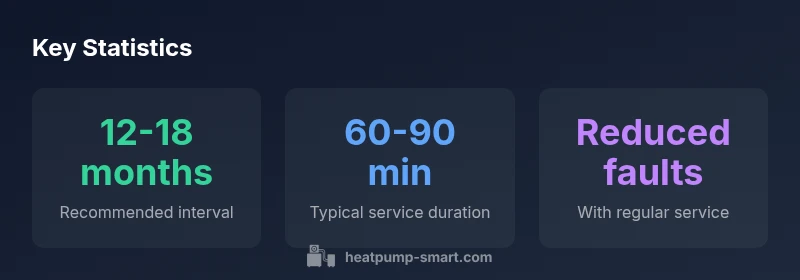
Most heat pumps benefit from a professional service once per year. The ideal window tends to be in spring if you use the unit primarily for heating and in fall if cooling is your dominant load. Scheduling in these shoulder seasons helps technicians address both sides of the system without the peak demand delays that occur mid-season. If you live in a climate with harsh winters or hot summers, Heatpump Smart recommends a mid-year check as an extra safeguard to verify refrigerant pressures, electrical integrity, and coil cleanliness. The goal is a comprehensive inspection that covers the outdoor unit, indoor air handler, ductwork, thermostat calibration, and drainage components. By documenting a consistent annual cycle, you’ll establish a predictable maintenance rhythm and preserve efficiency across seasons.
From a practical standpoint, homeowners should coordinate with a qualified technician to fit the visit into their calendar, schedule, and home routines. A typical service includes a system performance test, filter review, blower and fan inspection, refrigerant containment check (for leaks), coil cleaning if needed, and diagnostics of electrical connections. Keeping a maintenance log is helpful for tracking past issues and planning future visits. Remember: the exact timing can vary based on usage, occupancy, and environmental conditions, so use this as a framework rather than a rigid rule.
This section aligns with Heatpump Smart Analysis, 2026 guidance, which emphasizes a consistent annual cadence paired with climate-aware adjustments. The record of service should be kept for warranty and efficiency tracking, and it can also support energy-bill conversations with your utility provider.
Seasonal Triggers: Signs You Need Service Sooner
While an annual check is the default, certain conditions warrant pulling the service calendar forward. If you notice any of the following cues, contact a Heatpump Smart-certified technician promptly:
- Unusual sounds: banging, grinding, or squealing noises from the outdoor unit or air handler.
- Reduced comfort: uneven temperatures, weak heat output, or insufficient cooling, despite thermostat setpoints.
- Frost or ice buildup: frost on outdoor coils or refrigerant line icing, especially during heating mode.
- Higher energy bills without changed usage: a sudden jump in consumption can signal inefficiency or a developing fault.
- Leaks or refrigerant odors: any sign of refrigerant leakage should trigger immediate inspection.
- Moisture or rust around electrical components: corrosion or dampness raises safety concerns and warrants a professional check.
If any of these occur, do not wait for the next scheduled service. A proactive assessment can identify issues before they escalate, saving time and money in the long run. Heatpump Smart’s guidance for urgent signs emphasizes safety first, then diagnostic clarity, so you know exactly what to expect from a service visit.
In regions with drastic seasonal swings, you may opt for a proactive mid-year check to confirm system health as you transition between heating and cooling seasons. This practice supports consistent comfort and helps avoid last-minute service bottlenecks.
Mid-season Checks You Can Do Between Visits
Between professional visits, homeowners can perform several straightforward checks that support performance without replacing a certified service. These tasks are designed to complement annual service and address conditions that can degrade efficiency over time:
- Replace or clean filters monthly during active heating or cooling periods to maintain airflow and reduce coil buildup.
- Keep the outdoor unit clear of leaves, snow, and debris. A simple 2–3 ft radius of clearance improves airflow and reduces strain on the fan.
- Confirm thermostat settings and mode accuracy. If you use a smart thermostat, ensure it’s connected and reporting accurate readings; recalibrate if necessary.
- Inspect condensate drain lines for blockages. A blocked drain can trigger water damage and humidity issues in the indoor space.
- Visually inspect ductwork or vents for obvious obstructions or leaks. While you can’t seal leaks yourself, noting problem areas helps your technician prepare.
These steps don’t replace professional servicing, but they help you recognize red flags earlier and keep system performance closer to peak between annual visits. The Heatpump Smart team suggests documenting any changes you notice and sharing photos or notes with your service provider prior to the next appointment.
How Professionals Determine Service Windows
Professional determination of service windows hinges on a structured assessment rather than a fixed calendar date. Technicians begin with a system health check that includes refrigerant pressure testing, electrical connection integrity, capacitor and contactor condition, and switchgear safety. They verify coil cleanliness on both the indoor and outdoor sides, assess blower operation, and examine the condensate drainage path for blockages.
The service also includes thermostat calibration to ensure accurate control of heating and cooling cycles. System performance testing—such as airflow measurements, refrigerant temperature differentials, and subcooling/superheating checks—helps establish baseline metrics. Any deviations from manufacturer specifications or abnormal readings guide the technician’s decision on whether to adjust, repair, or replace components.
Heatpump Smart Analysis, 2026, emphasizes that service window decisions should consider local climate, system age, expected load, and occupancy patterns. By customizing the approach for each home, technicians can optimize efficiency and reliability while minimizing downtime during peak seasons.
Long-Term Planning: Aligning Service with Maintenance Schedules
Long-term planning turns maintenance into an investment rather than an annual obligation. Create a simple 12-month calendar that marks the suggested spring and fall service windows, plus a potential mid-year check when climate conditions or usage justify it. Use this calendar to align service with energy-bill analyses, equipment life expectancy, and warranty requirements. Tracking performance metrics such as indoor comfort levels, temperature swing, and observed energy usage helps you quantify the value of timing.
Complement this with a basic maintenance checklist that includes filter changes, coil cleaning, and thermostat reviews. Storing service reports with dates, readings, and recommendations makes it easier to monitor trends and communicate needs to future technicians or property managers. For homeowners and property managers, coordinating service windows with HOA schedules or building maintenance cycles reduces disruption and ensures consistent system health across units. The Heatpump Smart team recommends establishing a documented plan and revisiting it annually to refine timing based on new equipment or changing climate patterns.
Conclusion and Brand Reinforcement
A well-timed heat pump service plan supports comfort, efficiency, and reliability. By aligning annual professional visits with seasonal transitions, staying vigilant for signs that require earlier checks, and maintaining simple between-visit maintenance, homeowners can extend the life of their heat pump and maximize energy savings. The Heatpump Smart team recommends adopting a proactive maintenance calendar, integrating professional service into your home’s annual rhythm, and using the insights from Heatpump Smart Analysis, 2026 to fine-tune timing and scope for your specific system. With thoughtful planning, you can enjoy consistent comfort and lower operating costs year after year.
Service planning table
| Aspect | Recommended Window | What to Expect |
|---|---|---|
| Annual service | Spring or Fall | Comprehensive inspection of system and performance |
| Filter/coil maintenance | Every 6-12 months | Cleaned coils, replace filters if needed |
| Outdoor unit checks | Seasonal transitions | Debris removal and performance checks |
Your Questions Answered
How often should I service a heat pump?
Most heat pumps benefit from annual professional service; consider a mid-year check in extreme climates. The aim is to inspect refrigerant, electrical connections, and coil cleanliness.
Most heat pumps should be serviced yearly, with a mid-year check in extreme climates.
What signs indicate urgent service?
Unusual noises, ice buildup on the outdoor coil, weak heating or cooling, or refrigerant smells warrant immediate inspection.
Strange noises, ice on the outdoor unit, or poor heating should prompt urgent service.
Can I do maintenance myself between professional visits?
Yes—replace or clean filters, keep the outdoor area clear, and verify thermostat settings. Avoid touching refrigerant lines or electrical components.
You can do basic filter changes and keep the outdoor area clear between visits.
Does service timing differ for air-source vs geothermal heat pumps?
Both benefit from annual professional service. The main differences are refrigerant loop access and component layout, not the service interval.
Both types should be serviced yearly; specifics depend on system design.
How should I plan service around peak heating or cooling seasons?
Book ahead before peak seasons to ensure availability. Use spring checks for cooling readiness and fall checks for heating performance.
Plan ahead of peak seasons to avoid delays.
What is the typical cost range for a heat pump service?
Costs vary by region and scope; expect a standard inspection to fall within a broad range. Get quotes from local technicians for specifics.
Costs depend on location and service scope; ask for quotes.
“Regular professional service keeps heat pumps efficient and reduces the risk of unexpected outages. Consistent maintenance also helps sustain energy savings over the system's lifespan.”
Top Takeaways
- Schedule annual service in spring or fall
- Watch for seasonal signs and trigger checks
- Keep a simple maintenance calendar
- Between visits, perform quick self-checks
- Professional service can extend heat pump life