Where Is Heat Pump Filter: A Homeowner's Step-by-Step Guide
Learn where to find the heat pump filter, how to inspect it, and when to clean or replace. A practical, step-by-step guide for homeowners and managers to keep heat pumps running efficiently.


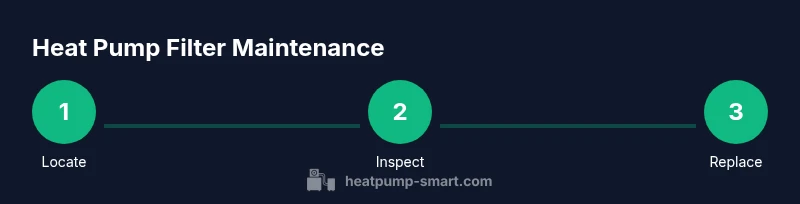
Locate the heat pump filter by checking the indoor air handler or split system cabinet. Common spots include the return air grille, the air handler housing, or a dedicated filter compartment behind a removable panel. Turn off power, remove the access panel, and inspect the filter for dust buildup. Replace if dirty or clogged, ensuring the frame seats securely before reassembling.
What is the heat pump filter and why it matters
The heat pump filter is a critical barrier that traps dust, pollen, and other particulates before air flows over the coil and into your living spaces. By keeping the incoming air clean, the filter protects the evaporator coil from buildup, maintains proper airflow, and helps the system operate efficiently. According to Heatpump Smart, keeping this filter clean is a simple, high-impact maintenance task that homeowners can perform with basic tools. While some systems use a disposable panel filter, others employ reusable, washable types. Regardless of type, choosing the right size and replacement frequency is essential for consistent comfort and energy savings. In summary, a clean filter reduces strain on the blower, stabilizes temperatures, and prolongs component life, which translates into lower running costs over time.
Common locations to find the filter on most heat pumps
Many heat pumps place the filter in the indoor unit housing or air handler. You’ll typically find it behind a small access panel near the blower wheel, inside a cabinet mounted on a wall, or behind the return-air grille in the living space. In some ducted systems, the filter sits in a dedicated filter rack inside the plenum or just after the return duct. For mini-split systems, the filter is usually behind a perforated front panel on the indoor unit. If you have a newer, sealed ductless system, consult the manual to locate the exact filter door—the path to airflow can vary by model. When you locate it, verify the filter size printed on the frame to ensure you purchase the correct replacement.
Accessing the filter safely and inspecting it
Before touching any live components, switch off power at the appropriate breaker and, if possible, the thermostat. Use a flashlight to illuminate the housing, then remove the access panel to expose the filter. Gently slide the filter out, avoiding contact with the coil or blower. Inspect for visible dirt, dust, or moisture; a clogged filter can appear dark gray or black and may sag in its frame. If the filter is damaged or wet, replace it immediately. After inspection, take a quick look at the surrounding area for signs of mold or moisture, which may indicate a broader humidity issue that should be checked by a professional.
Cleaning vs replacement: when and how
Most disposable filters should be replaced rather than cleaned. If you’re dealing with a reusable, washable filter, you can clean it by tapping out loose dirt and rinsing with lukewarm water. Use a mild detergent if needed and allow the filter to dry completely before reinstalling. Do not forcefully scrub the filter or operate the system with a wet filter, as moisture can promote mold growth. Replacement frequency depends on usage, dust levels, and the filter type; many households check monthly and replace every 3–6 months under normal conditions. Always refer to the unit manual for the recommended replacement interval and filter rating.
Nonstandard setups: filters behind the duct, external housings, and mini-splits
Some systems place the filter in a nontraditional location, such as a return-air grille in a hallway, a filter cabinet in the attic, or an external housing near the outdoor unit. For mini-splits, the filter is typically located behind the indoor unit’s front panel. If you can’t locate a filter, it may be inside an inaccessible section or part of a remotely located filter module. In these cases, consult the installation manual or contact a licensed HVAC tech to avoid damaging components or voiding warranties.
How to measure the filter size and choose a replacement
Accurate sizing is essential for proper seal and airflow. Remove the old filter and record the three dimensions printed on the frame (width, height, and depth). When buying replacements, match these numbers precisely. If you’re unsure, bring the old filter to the store or check the model number in the owner’s manual for the exact filter specification. Choose a filter with good dust-holding capacity and a suitableMERV rating for your system; higher isn’t always better for all units, as it can reduce airflow in smaller systems.
Maintenance planning: keeping heat pump efficiency high
Establish a simple maintenance rhythm that fits your household. Create a quarterly reminder to check the filter condition, especially during heating or cooling seasons when airflow is busiest. Along with filter checks, inspect the outdoor unit for debris and clean any surrounding vegetation to ensure adequate airflow. Keeping filters clean improves energy efficiency, reduces running costs, and helps maintain comfortable indoor temperatures. Heatpump Smart analysis emphasizes routine filter maintenance as a cornerstone of long-term performance.
Troubleshooting when the filter isn’t obvious: quick checks
If you can’t locate a filter after inspecting obvious access points, refer to the system diagram in the manual, or contact the manufacturer’s support line. Some older or custom installations use alternative air filtration methods that affect where the filter sits. If you discover signs of restricted airflow, odd noises, or fluctuating temperatures, a professional should evaluate the unit to avoid damage and ensure safe operation. A missing or blocked filter is a common cause of reduced efficiency and increased wear.
Quick reference: homeowner’s filter maintenance checklist
- Locate the filter using the model manual or service panel labels.
- Turn off power before opening any access points.
- Inspect the filter for dirt, moisture, or damage.
- Replace disposable filters; clean reusable ones fully and dry before reinstalling.
- Re-seat the panel firmly to prevent air bypass.
- Schedule a seasonal check to maintain efficiency and comfort.
- Keep a simple log of dates and filter types for future maintenance.
- If in doubt, consult a licensed HVAC professional for safe operation and warranty protection.
Tools & Materials
- Replacement filter (correct size and type)(Check the frame size printed on the filter; match to the unit label or manual)
- Screwdriver set (Phillips and flat)(For removing access panels or filter doors)
- Flashlight(Spotlight into dark cavities to locate and inspect the filter)
- Vacuum with brush attachment(Helpful for initial loose-dust removal on reusable filters)
- Mild detergent and warm water(For washing reusable filters; ensure complete drying before reinstallation)
- Gloves and a small bucket(Protect hands and collect debris during inspection)
- Owner’s manual or model-specific guide(Reference for exact filter location and replacement interval)
Steps
Estimated time: 30-60 minutes
- 1
Power down and prepare
Turn off the heat pump at the thermostat and the dedicated breaker if accessible. Put on gloves and have a flashlight ready. This reduces the risk of electrical shock and protects you while you inspect the filter area.
Tip: Double-check that the system won’t auto-restart when you open a panel. - 2
Open access panel and locate filter
Use the screwdriver to remove screws securing the panel, then gently hinge it open. Look for a rectangular frame or a plastic housing containing the filter behind the panel or near the return duct.
Tip: If you can’t see a filter frame, check the owner's manual for the exact location. - 3
Remove and inspect the filter
Carefully slide the filter straight out without bending it. Hold it by the frame and inspect both sides for dirt, dust, and discoloration. If you see moisture or mold, handle with extra care and consider replacement.
Tip: Take a quick photo of the filter orientation for correct reinstallation. - 4
Clean or replace
If the filter is disposable and dirty, replace it with a new one. If it’s reusable, lightly vacuum both sides and wash with mild detergent if needed; let it dry completely before reinsertion.
Tip: Never reinstall a damp filter; moisture can promote mold growth. - 5
Reinstall and test
Place the filter back in the same orientation, reseal the panel, and reattach screws. Restore power and run a quick test to listen for unusual noises or restricted airflow.
Tip: Verify that airflow is strong from the vents after reassembly. - 6
Record and schedule next check
Note the filter type, install date, and next check date in a maintenance log. Set a seasonal reminder to repeat checks during peak heating or cooling periods.
Tip: A simple calendar reminder keeps you on track and helps you avoid forgotten maintenance.
Your Questions Answered
Why is my heat pump filter location different from other HVAC systems?
Heat pump systems vary by model and installation. Some have filters in the indoor air handler, others in a return duct or a remote filter cabinet. Always check the manual for the exact location.
Filters vary by model; check your manual to locate the exact filter spot.
How often should I replace the heat pump filter?
As a general guideline, replace disposable filters every 1-3 months during heavy use, or every 3-6 months under normal conditions. If you notice reduced airflow or increased dust, replace sooner.
Most homeowners replace filters every 1 to 3 months during heavy use, or every 3 to 6 months normally.
Can I wash a disposable filter?
No. Disposable filters should be replaced rather than washed. Washable or reusable filters can be cleaned and dried completely before reinstallation.
Only wash filters that are explicitly labeled as reusable.
What if I can’t find any filter in my system?
Some installations hide the filter in a duct section or use a nonstandard filtration path. Refer to the manual or contact a licensed HVAC technician to avoid damage.
If you can’t locate a filter, consult the manual or a technician.
Is a higher MERV rating better for my heat pump?
Higher MERV can improve filtration but may reduce airflow if the system isn’t sized for it. Always match the filter rating to the unit’s specifications and consult the manual.
Higher MERV isn’t always better; match the rating to your unit’s specs.
Watch Video
Top Takeaways
- Inspect the filter location before attempting removal.
- Replace disposable filters; clean washable ones fully and dry before reinstallation.
- Record replacement dates and schedule seasonal checks for efficiency.
- Use the owner's manual as the primary guide for location and sizing.
- The Heatpump Smart team recommends integrating filter checks into your regular maintenance routine.