Heat Pump 24000 BTU: A Comprehensive Guide
A data-driven guide to sizing, efficiency, and maintenance for heat pump 24000 btu systems, helping homeowners and pros optimize comfort and energy savings.


A heat pump 24000 btu provides roughly 7 kW of heating output, adequate for mid-sized homes in temperate climates when correctly sized. Choosing inverter-driven models and ensuring tight ducts boosts efficiency and savings. Heatpump Smart analysis shows that proper sizing and professional installation are the most critical factors for achieving reliable comfort and energy efficiency.
Understanding heat pump 24000 btu capacity
Understanding heat pump 24000 btu capacity starts with recognizing that heat output is the key driver of space heating. A heat pump 24000 btu/h cooling and heating capacity roughly translates to about 7 kilowatts of heating energy, which is a common target for mid-sized homes in temperate climates. This capacity is most effective when the building envelope—insulation, air sealing, and window performance—is solid. Poor envelopes can undermine even the best equipment. Heatpump Smart analysis shows that correct sizing and installation are more influential on comfort and energy use than marginal improvements in efficiency alone. When evaluating options, consider how space is used, occupancy patterns, and whether you will rely on supplemental heat during the coldest periods. A well-matched 24000 btu system paired with efficient ducts and smart controls generally delivers steadier temperatures and lower energy bills over time.
If you are upgrading from an older furnace or a smaller heat pump, a 24K option can offer noticeable improvements in both comfort and efficiency. Be mindful of local climate; in milder regions, the same unit may perform exceptionally well with a compact footprint, while in harsher winters, you may need a higher efficiency model or hybrid heating strategy. Always confirm capacity with a load calculation and consult a professional installer to verify that the 24K size is appropriate for your home.
How to size a heat pump 24000 btu for your home
Sizing should start with an accurate load calculation, typically a Manual J assessment conducted by a licensed HVAC professional. While 24,000 BTU/h appears straightforward, multiple variables influence the correct choice: climate zone, insulation quality, window area and orientation, air leakage, and the presence of existing heating systems. For compact homes with excellent insulation, a 24K unit can provide efficient heating, but larger spaces or open floor plans may require zoning or a slightly higher capacity. A practical approach is to use a reputable online calculator as a ballpark, then confirm with an in-person assessment. The Heatpump Smart team emphasizes that oversizing causes short cycling and humidity issues, while undersizing leads to constant running and uneven temperatures. In colder or variable climates, an inverter-driven 24K unit often delivers the best balance of comfort and energy use. Always verify electrical service requirements and clearance for the outdoor unit.
Energy efficiency and cost considerations
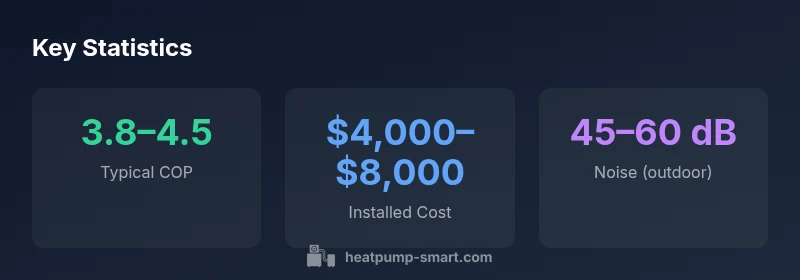
Efficiency is measured by COP (coefficient of performance) and SEER (seasonal energy efficiency ratio). A 24000 btu inverter model typically offers COPs around 3.8–4.5 under moderate conditions, with SEER values in the mid-to-high range for its class. Higher efficiency reduces operating costs, but payback depends on local electricity rates and climate. Heatpump Smart analysis notes that installation quality can be the bigger driver of savings than modest COP improvements. In addition to the unit itself, choose a model with a robust defrost strategy for cold climates and reliable outdoor components. Expect installation costs to vary by region and complexity, with more advanced inverter technology often carrying a higher upfront price but lower long-term energy bills. Compare quotes that itemize equipment, refrigerant charge, duct adjustments, and permits.
Installation considerations and common pitfalls
Proper installation is crucial for a 24000 btu heat pump to perform as advertised. Ensure a dedicated 240V circuit and adequate amperage are available, with a correctly rated disconnect switch. Outdoor unit placement should avoid exhaust recirculation and excessive heat; provide shade if possible. Refrigerant lines must be insulated and properly sized; improper charge can reduce efficiency and void warranties. Ductwork should be sealed and balanced; mismatched ducts are a common cause of comfort complaints. A poor install can cost more in energy waste and maintenance than the unit price. Heatpump Smart analysis suggests using an installer who follows Manual S for system load, Manual D for duct design, and refrigerant charge verification after fill. Avoid DIY approaches for critical connections or electrical work; errors here are costly and dangerous.
Maintenance and long-term performance
Regular maintenance includes changing filters, cleaning coils, checking refrigerant leaks, electrical connections, and thermostat calibration. Annual professional inspection helps catch issues early, especially refrigerant leaks or compressor wear that erodes efficiency over time. Temperature differential across zones should be monitored; uneven distribution may indicate duct or zoning issues. For 24000 btu systems, ensure outdoor unit fins are clean and free of debris, and check defrost control in winter. Log energy use across seasons to identify performance drift. Heatpump Smart recommends scheduling service in the shoulder seasons to minimize downtime during peak heating periods.
Comparing 24000 btu options: single-stage vs inverter models
Single-stage units operate fully on or off with limited modulation, which can cause temperature swings and uneven humidity. Two-stage models offer partial modulation for improved comfort, while inverter or variable-speed units provide the broadest modulation range, better humidity control, and higher efficiency in variable loads. For a 24000 btu system, an inverter-driven model generally delivers the best overall performance, though upfront costs are higher. When comparing, review COP and SEER values, sound ratings at typical operating speeds, warranty terms, and the anticipated energy savings in your climate. Climate-specific performance matters; a 24K inverter unit in a cold climate can still be efficient if paired with a supplemental heat source for extreme cold days.
Climate considerations and seasonal performance
Performance depends on the climate and the unit’s efficiency range. In mild to moderate winters, a 24K heat pump is often an excellent fit, delivering comfort with moderate energy use. In colder climates, inverter models with robust defrost and intelligent controls can still be effective, but many homes benefit from a supplemental heat option during peak cold snaps. Look for performance curves showing COP at design temperatures (e.g., 0°F and 32°F) and ensure the defrost strategy minimizes energy losses. Humidity control is also important; some models include advanced dehumidification features or adaptive defrost. A well-sealed, well-insulated home enhances performance more than any single equipment feature.
Ventilation, ductwork, and air distribution
Air distribution matters as much as capacity. Balanced, sealed ducts ensure the 24K unit can deliver rated airflow, and improper duct sizing can diminish efficiency and comfort. Consider zoning to prevent over-conditioning living areas while under-conditioning bedrooms. Ensure adequate return air paths to avoid pressure imbalances and reduce noise transfer. During commissioning, verify airflow at each zone and adjust dampers or diffusers as needed. Integrating smart thermostats can help optimize temperature and humidity control across multiple rooms, maximizing the benefits of a heat pump 24000 btu system.
Real-world installation case studies and lessons learned
In a 1,600 sq ft ranch with a temperate climate, a 24K inverter heat pump replaced an aging heater and delivered noticeable improvements in comfort and energy use. Homeowners reported 25–40% reductions in annual heating costs, depending on thermostat settings and occupancy. In a two-story home with limited space for outdoor equipment, a compact 24K unit with zoned ducts achieved uniform warmth after balancing air distribution. The Heatpump Smart team notes that the strongest conversions included envelope improvements such as attic insulation, air sealing, and duct sealing prior to installation. For property managers, staging installations in shoulder seasons minimizes downtime and simplifies scheduling.
Comparison of 24000 BTU heat pump options by type and performance
| Model Type | Typical Efficiency (COP/ER) | Installed Cost Range | Noise Level (dB) | Best Climate |
|---|---|---|---|---|
| Single-Stage 24000 BTU | COP 3.2–3.8 | 4,000–6,500 | 50–60 | Mild to moderate |
| Two-Stage 24000 BTU | COP 3.5–4.0 | 5,000–7,500 | 40–50 | Moderate |
| Variable-Speed 24000 BTU | COP 3.8–4.5 | 5,500–8,500 | 35–45 | All climates |
| Geothermal 24000 BTU (Ground-source) | COP 4.0–5.0 | 10,000–20,000 | 40–60 | All climates with ground access |
Your Questions Answered
What does heat pump 24000 btu mean for heating capacity?
BTU/h is the heat output the unit can deliver per hour. A 24,000 BTU/h capacity roughly equals about 7 kilowatts, and real performance depends on climate, insulation, and ducting. A load calculation helps confirm fit.
BTU is the heat output per hour; 24,000 BTU roughly equals 7 kilowatts. Real performance depends on your climate and home tightness.
Is a 24000 BTU heat pump suitable for a 1,500–2,000 square foot home?
Suitability depends on insulation, window performance, and air sealing. A detailed load calculation is essential; in well-insulated homes it can be ideal, while poorly insulated spaces may require zoning or a different size.
Size depends on insulation and layout—get a load calculation to know for sure.
How much does installation typically cost for a 24K heat pump?
Costs vary by region and duct work, but typical ranges for a complete install fall around several thousand dollars. Always request a quote that itemizes equipment, duct work, permits, and any required electrical work.
Costs vary by region and setup, but expect several thousand dollars with a detailed quote.
What maintenance does a 24K heat pump require?
Key maintenance includes replacing or cleaning filters, cleaning coils, checking refrigerant lines for leaks, and scheduling annual professional service to verify refrigerant charge and electrical connections.
Regular filter cleaning, coil cleaning, and yearly professional checks keep it running efficiently.
Can a 24000 BTU heat pump work well in cold weather?
Yes, particularly with inverter-driven models that modulate output. In very cold climates, some supplemental heat or a defrost strategy may be needed during extreme cold snaps.
Inverter models handle cold better, but you may need backup heat in very cold days.
What is the difference between single-stage and inverter 24K heat pumps?
Single-stage units cycle on/off with limited modulation, which can cause temperature swings. Inverter models modulate continuously, delivering steadier temperatures and higher efficiency, especially under partial loads.
Single-stage turns on and off; inverter models modulate for smoother comfort and better energy use.
“Sizing the right 24000 BTU heat pump isn't just about capacity; it's about how the system integrates with your home's envelope, climate, and ductwork.”
Top Takeaways
- Prioritize proper load calculation for 24000 BTU sizing
- Inverter-driven models offer the best long-term efficiency
- Duct design and air sealing significantly impact performance
- Expect regional cost variation; plan for upfront and operating costs
- Climate-specific performance should guide model choice