How to Fit a Heat Pump: A Complete Step-by-Step Guide
Learn how to fit a heat pump with a comprehensive, practical guide covering sizing, siting, electrical and refrigerant work, commissioning, and maintenance for homeowners, builders, and managers.


To fit a heat pump, you will size the system, site the outdoor and indoor units correctly, install electrical connections, refrigerant lines, and condensate drainage, and perform commissioning checks. This guide covers planning, essential tools, safety considerations, and step-by-step actions so homeowners, builders, and property managers can approach a complete, efficient installation with confidence.
Why fitting a heat pump matters and who should install it
A properly fitted heat pump can deliver reliable year-round comfort with improved energy efficiency compared with traditional fossil-fuel heating. The decision to fit a heat pump should balance climate, home insulation, existing HVAC components, and budget. According to Heatpump Smart, the system’s efficiency hinges on correct sizing, correct siting of the outdoor unit to maximize airflow, and careful integration with indoor air handling. Homeowners, builders, and property managers should view installation as a collaborative process that may involve mechanical contractors, electricians, and, for refrigerant work, licensed technicians. People who are comfortable with basic electrical work and reading manuals can handle planning and non-technical tasks, while tasks involving refrigerant charging or electrical service upgrades typically require licensed professionals. The Heatpump Smart team stresses that upfront planning and safety considerations reduce headaches later and improve long-term performance.
Sizing and site assessment
Sizing a heat pump starts with understanding your heating and cooling loads, climate, and insulation levels. A properly sized system avoids short cycling and underperformance. Conducting a site assessment includes measuring space for the outdoor unit, checking proximity to walls and vents, assessing roof orientations, and confirming accessible space for maintenance. Siting should allow adequate clearance for airflow, noise considerations, and ease of service. Heatpump Smart analysis shows that accurate load calculations and climate-appropriate equipment selection are essential for efficiency and comfort. While DIY planning can handle basic measurements, professional load calculations ensure accuracy and compliance with local codes. Consider future home improvements (like insulation upgrades) that could affect capacity needs.
Choosing system type and components
You’ll choose between air-source and ground-source (geothermal) heat pumps, and between ducted and ductless configurations. Air-source units are common for many homes, while ground-source can offer higher efficiency in some climates, at higher upfront costs. Inverter-driven, variable-speed compressors improve efficiency by matching output to demand. Indoor air handlers, ductwork, and thermostats should be coordinated to deliver even temperatures and predictable control. When fitting heat pumps, plan for electrical supply, grounding, and disconnects, and factor in future needs such as humidity control or smart thermostats. Heatpump Smart recommends evaluating your climate, insulation, and budget to decide which configuration best fits your home and long-term energy goals.
Tools, permits, and safety considerations
Before starting, check local permits and electrical codes. Some jurisdictions require permits for outdoor condenser installations and for electrical work, while refrigerant handling must be performed by a licensed technician. You’ll need a safe execution plan for lifting, mounting, and wiring, plus clear access for maintenance. Always isolate power before work, use appropriate PPE, and avoid negotiating with high-voltage panels without proper training. The materials and tools should include items for mounting, line routing, electrical connections, and safety devices. Heatpump Smart emphasizes documenting all steps and coordinating with utility providers if your region offers incentives.
Step-by-step installation overview
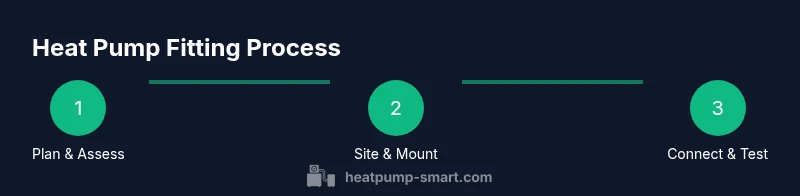
This section provides a high-level flow that complements the step-by-step instructions below. Start by confirming heat load and system type, then prepare the site and mount the outdoor unit. Run refrigerant and electrical lines with proper supports and insulation, and mount the indoor unit or air handler. Connect the thermostat and controls, perform a vacuum test to remove moisture, and charge the refrigerant (usually by a licensed technician). Finally, test operating modes, confirm airflow, and document system settings for future maintenance. For detailed actions, see the dedicated STEP-BY-STEP section.
Post-installation checks and commissioning
Commissioning verifies that the system delivers the expected heating and cooling performance. Check refrigerant seals, leak tests, and electrical connections. Ensure condensate drainage is clear and the outdoor unit has unobstructed airflow. Test heat pump performance across modes, verify zone balancing with the thermostat, and confirm compatibility with existing ductwork or room sensors. Heatpump Smart recommends recording baseline measurements for energy use, indoor temperatures, and equipment sounds to spot deviations early and plan maintenance.
Maintenance tips and expected running costs
Ongoing maintenance keeps a heat pump running efficiently. Replace or clean air filters regularly, inspect outdoor coils for dirt or debris, and schedule professional inspections per local guidelines. Keep an eye on refrigerant lines for signs of wear and confirm thermostat responsiveness. Energy savings depend on proper sizing, seasonal performance, and maintenance discipline. Budget for occasional coil cleaning, seal checks, and thermostat updates as part of a proactive maintenance plan.
Common mistakes to avoid
Avoid skipping professional load calculations and refrigerant work; incorrect sizing can lead to poor performance and higher energy use. Don’t overlook proper clearance around the outdoor unit, which can reduce airflow and efficiency. Neglecting condensate drainage or improper electrical connections can cause safety issues or damage. Plan for future maintenance tasks and avoid rushing through steps, as haste can compromise system reliability. Heatpump Smart highlights that a methodical approach reduces post-install problems and ensures the system performs as intended.
Quick-start recap: key actions for fitting a heat pump
- Confirm local permits and safety compliance before any work.
- Choose the right system type and configuration for your climate and home.
- Ensure accurate load calculations and proper siting to maximize efficiency.
- Use licensed professionals for refrigerant handling and electrical work.
- Document all steps and maintain a routine service plan for long-term performance.
Tools & Materials
- Cordless drill with various bits(PH2 and flat-head bits; carry extra batteries)
- Torque wrench(Outdoor mounting hardware and refrigerant connections)
- Pipe cutter and deburring tool(Copper or aluminum refrigerant lines)
- Tubing, insulation, and clamps(Line set insulation for refrigerant lines)
- Manifold gauge set and vacuum pump(For refrigerant pressure checks and vacuum at charge)
- Electrical conduit, wiring, and disconnects(Match local codes; include GFCI if required)
- Level, carpenter square, and mounting hardware(Secure outdoor unit and indoor air handler)
- Personal protective equipment (PPE)(Eye protection, gloves, hearing protection)
- Leak detector and soap solution(Check joints after assembly)
- Thermostats and control wiring(Ensure compatibility with existing system)
- Licensed refrigerant service (if charged)(Only by certified technician)
- Permits and documentation(Submit to local authority as required)
- Manuals and labeling(Keep for future maintenance)
Steps
Estimated time: 8-16 hours
- 1
Confirm system requirements
Review home energy needs, climate considerations, and available space. Validate permit requirements and budget before buying components. This step ensures you fit the right size and type of heat pump for your home.
Tip: Document your current heating system specs and insulation levels to inform sizing decisions. - 2
Prepare mounting locations
Identify a level outdoor mounting surface with clear airflow, adequate clearance, and a safe electrical access path. Mark stud positions if mounting to a wall or platform. Plan drainage paths for condensate to prevent water damage.
Tip: Leave extra space for service and seasonal maintenance; avoid tight corners or dense vegetation around the outdoor unit. - 3
Install outdoor unit and support
Secure the outdoor condenser on a stable base, aligning it with the lineset access port. Use vibration dampers and a leveling mechanism to reduce noise and wear. Ensure proper clearance from walls and obstacles.
Tip: Check for levelness after mounting and verify the unit remains stable with back-and-forth pressure tests. - 4
Route refrigerant lines and insulation
Connect the insulated refrigerant lines to the outdoor unit and indoor air handler according to manufacturer instructions. Ensure line set is properly sealed and protected from physical damage.
Tip: Keep line lengths within manufacturer guidelines and minimize bends to reduce pressure drops. - 5
Run electrical wiring and disconnect
Install the dedicated circuit, conduit, and disconnect switch per local codes. Verify grounding and correct breaker sizing. Label all conductors for future maintenance.
Tip: Turn off main power during installation and verify with a non-contact tester before touching wiring. - 6
Install indoor air handler and ductwork
Mount the indoor unit in a suitable space, connect to the existing or new ductwork, and verify air balance. If ductless, prepare ceiling or wall-mounted units and route controls.
Tip: Seal ducts to minimize leakage and optimize airflow through the system. - 7
Vacuum and refrigerant charge (licensed work)
Vacuum the refrigerant lines to remove moisture, then have the system charged by a licensed technician if required by your code. Verify pressures and perform a leak test.
Tip: Never attempt to braze refrigerant joints without proper training and equipment. - 8
Commission and test operation
Power up, connect thermostat controls, and test heating and cooling modes. Check airflow, noise, and performance across cycling. Document settings for future maintenance and warranty references.
Tip: Run a full cycle in both heating and cooling to ensure stable operation and balance.
Your Questions Answered
What permits do I need to install a heat pump in my area?
Permit requirements vary by location, but most regions require approvals for outdoor equipment installation and electrical work. Check with your local building authority before beginning and obtain any necessary inspections.
Permit requirements vary by location; check with your local building authority to ensure you have the right approvals before starting.
Can I install a heat pump myself, or is professional help required?
Non-refrigerant work such as siting, mounting, and wiring can be done by a skilled competent person. Refrigerant handling, leak testing, and charging should be performed only by a licensed technician to meet safety and regulatory standards.
You can do planning and non-refrigerant tasks, but refrigerant work should be done by a licensed technician.
How long does a typical installation take?
Time varies by system type, site complexity, and required permits. A straightforward residential installation can take a full day or two when coordinating with electricians and refrigerant technicians.
Installation often spans a day or two, depending on the site and required permits.
Will I need a new electrical panel or service upgrade?
Some homes require upgraded electrical service to accommodate the heat pump’s power needs and to support future smart controls. A licensed electrician can assess the existing panel and determine if an upgrade is necessary.
An electrician can tell you if your panel needs an upgrade to support the heat pump.
What affects the cost and savings of a heat pump installation?
Costs vary with system type, capacity, and installation complexity. Savings depend on climate, insulation, usage patterns, and efficiency of the chosen unit. Local incentives and rebates can influence the overall value.
Costs and savings depend on system type, climate, and incentives; work with pros to estimate the value.
How do I maintain heat pump efficiency after installation?
Regularly replace or clean filters, inspect outdoor coils, ensure proper airflow, and schedule annual professional checkups to keep the system running efficiently and extend its life.
Keep filters clean, coils clear, and schedule yearly checkups.
What signs indicate a refrigerant leak or improper charge?
If the system runs unusually, cools/heats unevenly, or displays pressure readings outside normal ranges, contact a licensed technician for a leak test and charge verification.
If you notice odd cooling or heating patterns, get a professional check.
Can heat pumps be used in cold climates?
Yes, many heat pumps are designed for cold climates, especially modern inverter-driven models. In colder periods, auxiliary heating may be used to maintain comfort, depending on the system and climate.
Many heat pumps work well in cold climates; some use auxiliary heat in very cold weather.
Watch Video
Top Takeaways
- Size and site matter for efficiency
- Use licensed professionals for refrigerant and electrical work
- Plan permits and safety compliance ahead of time
- Document installation steps for future maintenance
- Schedule a thorough commissioning to confirm performance