How to Install a Heat Pump in Your Pool
Learn how to install a pool heat pump with expert steps, safety tips, and maintenance guidance from Heatpump Smart. Plan, wire, plumb, test, and maintain for efficient pool heating.


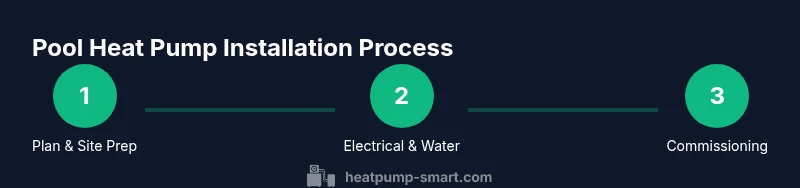
Goal: you will install a pool heat pump safely and efficiently by selecting a compatible unit, locating it with proper clearance, and wiring and plumbing it correctly. Before starting, verify electrical supply and breakers, check pool plumbing compatibility, and plan for weatherproof mounting. This guide covers installation steps, safety warnings, and routine maintenance, with an emphasis on professional electrical and refrigerant work.
Why a Pool Heat Pump Is a Smart Choice
A pool heat pump uses ambient air to transfer heat into or out of pool water, offering a highly efficient way to extend the swimming season. Unlike gas heaters, heat pumps rely on electricity to power a refrigerant cycle, which amplifies the warmth drawn from the outdoor environment. When installed properly, they provide a steady, controllable temperature increase with lower operating costs over time. For many households, a heat pump also aligns with eco-friendly goals by reducing greenhouse gas emissions compared with fossil-fuel heaters. The Heatpump Smart team notes that selecting the right unit for your pool size and climate is essential to maximize efficiency and comfort. Consider how you use the pool—whether for daily family swims, lap swimming, or frequent guest use—and how climate patterns affect outdoor temperatures across seasons. In addition, evaluate potential integration with other heating strategies, such as solar panels or pool covers, to create a balanced, energy-conscious system.
Before you commit to a specific model, check your local codes for outdoor equipment zoning, noise limits, and weatherproof mounting requirements. A well-planned installation minimizes energy waste and reduces the need for frequent maintenance. In this guide, we will cover site selection, electrical and plumbing considerations, mounting, water connections, and long-term care. By following these best practices, homeowners and professionals can achieve reliable pool heating with durable performance. According to Heatpump Smart, the reliability and efficiency gains come from thoughtful sizing, controlled airflow, and protected electrical feeds, all of which contribute to safer and more predictable operation over the life of the system.
Key takeaway: a properly chosen heat pump is a long-term asset for comfort, efficiency, and year-round usability of your pool.
How Pool Heat Pumps Work
Pool heat pumps operate on a closed refrigerant loop that extracts heat from the outdoor air and transfers it to the pool water through a heat exchanger. The cycle begins when the evaporator coil absorbs heat from the air, turning the refrigerant into a low-pressure vapor. The compressor then raises the refrigerant’s pressure and temperature, and the condenser releases heat into the pool water as it passes through the coil. The cooled refrigerant returns to a liquid state and reenters the cycle. The entire process is managed by a control system and outdoor fan that optimize airflow and humidity. In milder climates or when the pool is in frequent use, the heat pump can maintain comfortable water temperatures with minimal energy input. In colder seasons, some units incorporate defrost logic to prevent ice buildup on the outdoor coil, ensuring reliable operation even in variable conditions.
A primary performance factor is the coefficient of performance (COP), which describes how efficiently a heat pump converts electricity into usable heat. COP is influenced by outdoor air temperature, humidity, and the temperature rise needed to reach the pool target. Heatpump Smart analyses indicate that, when sized correctly for the pool, a heat pump can provide significant energy savings compared with resistive electric heaters, especially when paired with a pool cover and proper filtration schedules. Costs and benefits depend on climate, usage patterns, and electricity rates, so sizing and site planning matter more than in many other projects. By understanding the heat-transfer process, homeowners can set realistic expectations for warm-water comfort and energy use.
The location and orientation of the unit affect performance. Adequate airflow, unobstructed intake, and clean surroundings reduce operating strain and noise, contributing to steadier temperatures with fewer run cycles. The rest of this guide shows how to plan and execute a safe, effective installation that respects equipment requirements, local codes, and long-term maintenance needs.
Planning Your Installation
Planning is the foundation of a successful pool heat pump installation. Start by validating that your pool size, desired water temperature, and climate pattern align with the heater’s capacity. For above-ground or in-ground pools, the heat load relates to pool volume, water surface area, insulation, and usage frequency. While exact sizing requires calculations or a professional assessment, you can begin by noting your pool dimensions, typical occupancy, and the minimum outdoor temperatures you expect during the heating season. A properly sized heat pump minimizes run time and reduces energy waste, while an undersized unit struggles to reach target temperatures and may experience refrigerated cycling that shortens life.
Next, review your electrical readiness. Most pool heat pumps require a dedicated circuit with an appropriately rated disconnect, GFCI protection, and weatherproof wiring. Confirm that your electrical panel has available capacity and that you can run conduit to the installation site without violating code or creating tripping hazards. Plan your plumbing layout to minimize long pipe runs, avoid sharp bends, and maintain a moderate slope to facilitate water flow and drainage. Noise considerations matter as well: locate the unit away from bedrooms, living spaces, or frequently used outdoor areas unless the unit is specifically designed for quiet operation.
From a safety standpoint, check for permits or inspections required by your municipality. Some jurisdictions require a licensed electrician or a pool contractor to perform electrical and refrigerant-related work. If you plan to coordinate with a contractor, prepare a project scope that includes site assessment, electrical updates, mounting, piping, commissioning, and warranty terms. Heatpump Smart recommends documenting all steps and saving manuals for future maintenance and potential warranty claims. A clear plan reduces rework and ensures the installed system meets both performance and safety standards.
In this planning stage, also consider weatherproofing and drainage. Outdoor units need appropriate roofing or shade, a solid mounting pad, and a secure enclosure to protect from wind and debris. Ensure that drainage around the pad directs water away from foundations and electrical components. Finally, develop a testing plan that covers water flow, leak checks, electrical safety, and thermostat synchronization with your pool control system. A well-documented plan accelerates installation and minimizes surprises on the day the unit is powered up.
Electrical and Plumbing Preparations
Electrical and plumbing readiness is the backbone of a safe, reliable installation. Begin by turning off power at the main disconnect and verifying that the circuit feeding the pool heat pump is clearly labeled and protected with a weatherproof enclosure. A dedicated circuit is essential to prevent nuisance tripping and to provide stable power for the compressor and fan. Install a approved disconnect near the unit, within sight, and at a height that allows for safe servicing. Grounding and bonding must comply with local electrical codes, so consult a licensed electrician if you are not certain about these requirements. The goal is a robust, weatherproof connection that keeps moisture and debris out of critical components.
On the plumbing side, the heat pump requires a water connection to the pool circulation loop. Use corrosion-resistant piping materials suitable for outdoor use, such as CPVC or appropriately rated copper, with threaded unions for serviceability. Ensure that water supply and return lines are correctly sized to maintain adequate flow and avoid excessive head loss. Include check valves to prevent backflow and an automatic bypass or flow switch if your system relies on other heating sources. Proper insulation around piping reduces heat loss and protects against condensation. If your local climate includes freezing temperatures, design the plumbing and heat exchanger loop to minimize exposure to freezing conditions and potential damage.
Because refrigerant work involves specialized knowledge and safety considerations, Heatpump Smart strongly recommends involving a certified HVAC technician for the refrigerant circuit connections, leak checks, and warranty compliance. They can verify that the refrigerant charge, pressure, and safety valves are within manufacturer specifications and local standards. Document all electrical and plumbing changes for future maintenance and code compliance. This step ensures that the system operates efficiently, is safe to service, and adheres to regulatory requirements.
Prior to final assembly, gather and review the installation manuals for all devices involved—heat pump, control system, and pool circulation equipment. Cross-check connector types, thread standards, and compatible pipe diameters. A small upfront investment in proper fittings and test equipment prevents costly leaks or mismatched components later. By aligning mechanical and electrical work with professional guidance, you set the stage for a long-lasting, energy-efficient pool heating solution.
Siting and Mounting: Where to Place the Unit
The location of the heat pump influences performance, longevity, and noise exposure. Choose an outdoor site that offers ample clearance for service and airflow, typically with several feet of free space around the unit. Avoid placing the unit directly under overhanging structures or close to windows or doors to reduce noise impact on indoor or outdoor living areas. If possible, position the unit on a solid, vibration-absorbent pad to minimize movement and structural stress during operation, freeze-thaw cycles, or wind-driven debris. A raised pad also helps protect electrical components from potential water accumulation on the ground.
Consider prevailing wind directions and ambient temperatures when selecting a mounting location. In shaded areas, the heat pump performs more efficiently during shoulder seasons, but ensure that shade does not restrict air intake. Ensure the site has good drainage and is unlikely to collect standing water after rain or irrigation cycles, as moisture can corrosion-sensitive components. The unit should be reachable for routine cleaning and maintenance, yet protected from accidental contact by passerby traffic. For multi-building properties, coordinate placement to minimize piping lengths and energy losses while preserving accessibility for service technicians.
If you are in a high-noise or heavy-use environment, invest in a model designed for quiet operation and, where allowed, isolate vibration using anti-vibration pads or a mounting rack. Weatherproof enclosures and dedicated electrical feeds enhance durability. Finally, integrate a clear labeling and safety plan for maintenance staff, including access to emergency shutoffs and thermostat controls. Heatpump Smart emphasizes that thoughtful siting reduces maintenance, enhances performance, and contributes to a more sustainable, enjoyable pool environment.
Water Connections and Circulation
Connecting the heat pump to the pool’s circulation loop requires careful attention to water flow, filtration, and loop integrity. Start by isolating the relevant section of the pool plumbing and installing unions so the heat exchanger can be removed for service without disturbing the rest of the system. Connect the heat pump’s water inlet to the return line using appropriate adapters and sealants, and join the outlet to the pool return path with compatible fittings. Maintain a consistent flow rate that matches the heat pump’s design specifications; excessive flow can reduce heat exchange efficiency, while too little flow can cause overheating and equipment damage.
Verify that valves are properly oriented to allow service access and to enable bypass if needed during maintenance. Install strainers or filters upstream to prevent debris from entering the heat exchanger. Include a pressure relief or check valve as recommended by the manufacturer to safeguard against backflow and potential contamination. When routing pipes, minimize sharp elbows and ensure gradual transitions to reduce head loss and water hammer. If the pool has a spa or variable-speed pump, integrate the heat pump with the control system so that the heater is only energized when there is adequate water flow.
After assembly, perform a leak test using a mild soap solution or approved leak detector along all joints and unions. Confirm that there are no drips when the system is pressurized and that the heat exchanger is fully seated. Once satisfied with the mechanical connections, recheck electrical connections for tightness and corrosion. A thorough water-connection check minimizes future repairs and ensures efficient, reliable heating over the life of the pool system.
Commissioning and Safety Testing
Commissioning the pool heat pump involves a structured sequence to verify safe operation and correct configuration. Start by restoring power and confirming that the control panel communicates with the heat pump. Configure temperature setpoints, defrost settings if applicable, and any integrated timers or smart controls to align with user preferences. Run the system in a test cycle, observing the heat pump as it starts, accelerates, and cycles off. Listen for unusual noises, monitor for vibration, and inspect for air leaks around electrical and plumbing joints. If there is a weatherproof enclosure, ensure seals maintain insulation and moisture protection during operation.
Check that the outdoor unit’s airflow is unobstructed and that the condenser is not accumulating debris. Verify that water is circulating properly through the heat exchanger, and that the pool’s thermostat responds quickly to changes in water temperature. Confirm that safety devices—such as high-limit switches and protective disconnects—are functioning, and that there is a clear path to shut off power in emergencies. Document the initial operating parameters and any adjustments made during commissioning. If a leak or fault is detected, pause operation and correct the issue before resuming testing. Heatpump Smart advises coordinating commissioning with a licensed technician when refrigerant work or electrical service is involved, to ensure compliance and warranty protection.
Finally, review maintenance schedules and safety reminders with all household members. Establish a routine that includes seasonal checks, filter cleaning, and periodic refrigerant and electrical inspections. The commissioning phase sets the tone for reliable performance and peace of mind throughout the pool season.
Maintenance and Long-Term Performance
Long-term performance hinges on consistent maintenance and proactive care. Create a simple maintenance calendar that includes regular cleaning of the outdoor unit’s air intake and fan, inspection of electrical connections for corrosion, and checking for signs of wear on piping and fittings. Clean any debris around the unit to maintain unobstructed airflow; remove leaves, dirt, and algae buildup that can reduce efficiency. Periodically verify that the heat exchanger and coil are free of mineral deposits, and that the refrigerant lines remain insulated and protected from the elements. In climates with freezing risk, winterization procedures may be required to prevent damage; consult your heat pump’s manual or a licensed professional for region-specific guidance.
Keep the thermostat and pool controller synchronized with the desired water temperature, and adjust setpoints to reflect seasonal needs. If your pool uses a cover, continue to use it when the pool is not in use to minimize evaporation and heat loss. Inspect the installation at least annually or after severe weather, looking for any signs of rust, corrosion, or wear on the pad, fencing, or electrical connections. Retain service records and manuals for warranty coverage and future replacements. With regular checks and timely refinements, a properly installed heat pump can deliver dependable comfort and energy savings for many seasons.
Troubleshooting Common Scenarios
Even well-planned installations can encounter occasional issues. Common scenarios include reduced heating performance on cooler days, unusual noises, or a heat pump that cycles too frequently. Start with the simplest explanations: verify that air is being drawn in freely, check for obstructions around the outdoor unit, and confirm that the pool’s water flow is within recommended parameters. If the unit struggles to reach set temperatures, ensure the thermostat is calibrated correctly and that there are no leaks in the water circuit. For persistent electrical or refrigerant concerns, contact a licensed professional to diagnose and repair issues safely and in compliance with codes and warranty requirements. Heatpump Smart emphasizes following the manufacturer’s service guidelines and keeping meticulous records of any repairs or replacements to protect system performance and longevity.
Tools & Materials
- Pool heat pump unit (compatible with pool system)(Choose a model sized for your pool and climate; ensure corrosion-resistant housing)
- Approved electrical disconnect and circuit breaker(GFCI-protected; appropriate amperage per local code)
- Weatherproof mounting pad or concrete pad(Provide a stable, level base; consider vibration isolation)
- PVC CPVC piping and fittings(Outdoor-rated, with proper unions for serviceability)
- Pipe insulation and sealant(Minimize heat loss and condensation on exposed runs)
- Non-contact voltage tester and basic hand tools(Used for safe electrical verification during installation)
- Thread sealant, Teflon tape, and corrosion-resistant fasteners(Seal joints and secure connections against moisture)
- Pressure testing equipment or leak detector(Verify water and refrigerant connections for leaks)
- Safety PPE (eye protection, gloves, etc.)(Personal protection for installer during electrical and mechanical work)
Steps
Estimated time: 6-12 hours
- 1
Confirm compatibility and plan layout
Validate pool size and climate compatibility with the chosen heat pump. Map the site layout, entry routes for service, and electrical routing. Ensure there is space for airflow and maintenance access, and obtain any required permits before work begins.
Tip: Double-check the heat pump’s manual for minimum clearances and service access; plan a path from the electrical panel to the unit. - 2
Prepare electrical supply and disconnect
Shut off power at the main breaker and install a weatherproof disconnect near the unit. Run a dedicated circuit with proper grounding and GFCI protection, following local codes. Route wiring in moisture-resistant conduit to the mounting location.
Tip: Have a licensed electrician review wire sizing and enclosure integrity to ensure safe startup and warranty compliance. - 3
Mount heat pump on a weatherproof pad
Place the unit on the prepared pad with level orientation and secure it to minimize movement. Ensure clear space for airflow and future service access. Install anti-vibration pads if recommended by the manufacturer.
Tip: Check final height and alignment; misalignment can stress pipes and reduce efficiency. - 4
Connect water lines to pool circulation
Attach the heat exchanger inlet and outlet to the pool return loop using appropriate fittings and unions. Maintain proper flow direction and ensure no backflow by installing check valves and a bypass if needed. Test for leaks after connections are made.
Tip: Keep piping as straight as possible with gradual transitions to minimize head loss. - 5
Wiring and controls setup
Connect control wiring and power supply to the heat pump according to the manufacturer’s schematic. Verify thermostat or pool controller communication and set initial temperature targets. Secure all connections and protect from moisture.
Tip: Label all wires and keep a wiring diagram on-site for future service. - 6
Test system and check for leaks
Restore power and run a test cycle. Observe airflow, water flow, and temperature changes. Check for refrigerant leaks and verify there are no warning indicators on the control panel. Document initial readings and any adjustments.
Tip: If any abnormal noises or leaks appear, shut down and consult a professional promptly. - 7
Program, calibrate, and finalize
Program the thermostat and pool controller for desired temperatures, scheduling, and feedback. Confirm safety features and automatic shutdown triggers. Review maintenance schedule and warranty terms with the homeowner or staff.
Tip: Keep a record of settings and adjustments for future reference and warranty validation.
Your Questions Answered
Do I need a permit to install a pool heat pump?
Permit requirements vary by location. Check with your local building department or a licensed contractor to confirm what inspections are required for electrical work and equipment installation.
Permit requirements vary by location. Check with your local building department to confirm inspections for electrical work and equipment installation.
What size pool heat pump do I need?
Sizing depends on pool volume, desired temperature rise, climate, and usage patterns. A sizing calculation or professional assessment provides the best match for comfort and efficiency.
Sizing depends on your pool and climate. A professional assessment gives the best match for comfort and efficiency.
Can I install a pool heat pump myself?
Electrical and refrigerant work should typically be performed by licensed professionals. DIY installation risks safety, warranty nullification, and potential legal issues.
Electrical and refrigerant work should be done by licensed professionals. DIY can void warranties and pose safety risks.
Where should I place the heat pump outdoor unit?
Choose a level, well-ventilated outdoor spot with ample clearance for airflow and service access. Avoid direct sunlight on the unit and keep it away from living spaces to minimize noise impact.
Place the unit in a well-ventilated outdoor spot with clearance, away from living spaces to minimize noise.
What maintenance is required after installation?
Regularly clean air intakes, inspect electrical connections, check piping for leaks, and service the refrigerant circuit as recommended by the manufacturer. Schedule annual professional inspections.
Regular cleaning, inspections, and annual professional service keep the system performing well.
Will a heat pump work well in cold weather?
Heat pumps perform best in moderate temperatures. In colder weather, performance may drop and some models include defrost features to maintain operation.
Performance drops in very cold weather; some models have defrost features to help.
Watch Video
Top Takeaways
- Confirm pool heat pump compatibility before purchase
- Plan electrical and plumbing routes with permits in mind
- Mount and connect with proper clearances and leak-free joints
- Test thoroughly and document all settings
- Maintain regularly for long-term efficiency