Installing Pool Heat Pump: A Step-by-Step Guide
Learn how to install a pool heat pump with confidence. This guide covers sizing, site preparation, wiring, piping, commissioning, and maintenance for reliable, energy-efficient pool heating.


Goal: you will learn how to install a pool heat pump correctly and safely, from selecting the right size to hard-wiring power and electrical connections. This guide covers sizing, mounting, wiring, thermostat integration, and initial commissioning. By following these steps, homeowners, builders, and property managers can achieve reliable heating with energy-efficient operation.
Why installing a pool heat pump matters
Installing a pool heat pump can extend your swimming season and keep water comfortable with impressive energy efficiency. According to Heatpump Smart, properly sized and installed heat pumps deliver reliable heating with far lower operating costs than traditional electric resistance heaters. The Heatpump Smart team found that placement, insulation, and electrical compatibility are crucial for consistent temperatures and long equipment life. A correctly installed heat pump also operates more quietly and with less environmental impact than older heating methods. As you plan, think of efficiency as a system quality: good sizing, precise electrical connections, and well-sealed ducting (for any adjacent spaces) all contribute to a smoother, more economical operation.
Heat pumps transfer heat by extracting energy from the ambient air and moving it into the pool water. This basic principle means their efficiency is tied to outdoor temperatures, air exchange, and water flow. In mild to moderate climates, you can expect strong performance even when outdoor temps dip, provided the unit is matched to the pool and installed with proper clearances. The goal is a balance between heat output, heat loss prevention, and reliable control. A thoughtful installation reduces cycling, noise, and wear on the compressor, extending life and lowering operating costs over time.
Assessing your pool and climate before you install
Before you purchase or install equipment, evaluate your pool size, shape, and usage patterns, along with the climate in your area. Heat pumps work best when there is enough warm air circulating around the outdoor unit, and when the pool water can be heated to your target temperature without excessive cycling. Consider the pool’s surface area, whether there is shielding from wind, and how often you’ll demand heating (early spring evenings, late fall, or year-round use). The Heatpump Smart analysis suggests that locations with steady airflow and minimal obstruction around the unit yield the most efficient performance. Check local codes for clearance, mounting, and electrical requirements, and plan for a dedicated outdoor circuit with weatherproof enclosures. A solid site assessment reduces delays and ensures you select a heat pump with appropriate heating capacity for your pool.
In addition to climate and pool metrics, review water chemistry, pump and filter sizing, and the flow rate required for optimal heat transfer. Poor water flow can make a heater seem underpowered, so you may need to adjust pump speed or add a bypass to maintain adequate turnover. If your pool uses a cover, factor in heat retention when calculating the anticipated heating demand. Finally, assess potential noise impacts with neighbors or the property layout, and select a mounting location that minimizes sound intrusion while allowing easy service access.
Sizing and selecting an efficient heat pump
Sizing a pool heat pump involves more than matching BTU output to pool volume. A correctly sized unit avoids excessive cycling, which wastes energy and shortens compressor life. Start with the manufacturer’s sizing charts based on pool surface area, desired pool temperature, climate zone, and normal operating hours. The Heatpump Smart analysis emphasizes verifying each selection with a professional when in doubt, as incorrect sizing can negate efficiency gains. Consider the unit’s COP (coefficient of performance) rating, noise level, service access, and warranty terms. If your climate experiences cold snaps, look for models with robust defrost features and dependable performance at lower ambient temperatures. Remember that a slightly larger unit may heat faster but could run more often, while an undersized unit may never reach your target temperature during peak demand.
Talk to your supplier about optional features such as variable-speed fans, advanced controls, and smart thermostats that optimize operation. A well-chosen heat pump integrates with your pool system, taking input from a pool controller or home automation setup to maintain comfort with minimal energy use. Finally, plan for future changes—if you anticipate adding a larger pool, spa, or solar pool heating augmentation, ensure the selected heat pump has compatible options or easy expansion paths.
Preparing the installation site and connections
Site preparation starts with a dry, level mounting surface in a location with clear airflow and away from direct exposure to rainwater splash. A solid concrete or compacted pad keeps the unit stable and reduces vibration transfer to adjacent structures. Ensure there is sufficient clearance on all sides for service access, wiring, and refrigerant line work, following the manufacturer’s minimums. Plan for weatherproof electrical connections and a dedicated outdoor disconnect within sight of the unit. If you need permits or inspections, submit plans early to avoid delays. Heat pumps are designed for outdoor use, but proper placement reduces wear and extends life. Finally, confirm that your pool plumbing can accommodate the heat exchanger and bypass arrangements without creating unwanted pressure drops.
In this phase, you’ll also coordinate with your electrician and, if needed, a licensed HVAC technician for refrigerant line handling and electrical connections. Clear communication and a documented installation plan help ensure everyone understands the sequence and safety requirements. The result is a safer, more reliable installation with fewer surprises during the commissioning stage.
Piping, electrical, and safety considerations
Piping between the heat pump and pool must minimize heat loss and prevent leaks. Use properly rated refrigerant line sets and insulate exposed sections to maintain efficiency, especially in cooler climates. Install shutoff valves and a bypass as recommended by the heat pump manufacturer to control flow and protect equipment during service. Electrical work should be performed on a dedicated outdoor circuit with a weatherproof disconnect and GFCI protection. Use outdoor-rated conduit and fittings, and ensure all connections are sealed against moisture intrusion.
Safety is paramount, so never cut refrigerant lines or attempt to recharge a unit yourself. Refrigerant handling requires licensing and appropriate recovery equipment. If uncertain, hire a qualified HVAC technician to complete the refrigerant work and final leak checks. After installation, run a pressure test and verify that all joints are secure and insulation is intact. The goal is tight, efficient piping that minimizes heat loss and reduces the risk of leaks or failures over time.
Commissioning, testing, and maintenance planning
Commissioning starts with a controlled first power-up and a careful controller warm-up. Verify electrical connections, verify that the pump and heat pump communicate with the thermostat, and confirm the water flow rate is within the unit’s designed range. Observe for abnormal noises, vibrations, or refrigerant odors, and correct any issues before full operation. Establish a maintenance plan that includes periodic filter cleaning, coil and fan inspection, and annual refrigerant and electrical checks if required by your local codes. Record service dates, heat pump settings, and pool temperature targets for future reference. A well-documented commissioning and maintenance plan helps maintain efficiency and prolongs equipment life.
Ultimately, the goal is consistent, comfortable pool temperatures with minimal energy use. Coordination among the pool equipment, heat pump, and home controls ensures the system responds promptly to changes in weather and usage. The Heatpump Smart team recommends revisiting your sizing and control strategy after the first heating season to confirm that the system meets your goals and budget.
Tools & Materials
- Heat pump pool unit(Outdoor-rated, with appropriate heating capacity for your pool size and climate)
- Mounting pad or concrete base(Level, solid, and sized to support the unit weight and vibration dampening)
- PVC piping (1.5–2 inches) or approved alternative(Connects heat pump to return lines; check local code for materials)
- Refrigerant line set (insulated copper or approved alternative)(Pre-charged or vacuumed as per manufacturer; insulation for all exposed sections)
- Insulation for refrigerant lines(Minimize heat loss in cooler climates)
- Outdoor weatherproof electrical supply with GFCI(Dedicated circuit, proper gauge for unit and distance)
- Outdoor disconnect switch(Within sight of the heat pump, per code)
- Conduit and outdoor-rated fittings(Protects wiring from moisture and physical damage)
- Valves, bypass plumbing, and flow control(Valves to adjust flow and protect unit during service)
- Leak-detection fluid or electronic detector(For early leak detection after installation)
- Personal protective equipment(Gloves, eye protection, and hearing protection as needed)
- Permits (if required)(Check local regulations for electrical and plumbing permits)
Steps
Estimated time: 2-6 hours
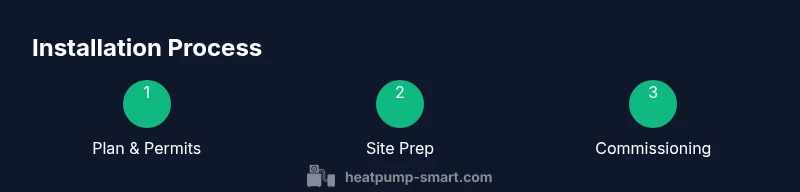
- 1
Plan and confirm permits
Review local electrical and plumbing codes and secure any required permits before work begins. This reduces compliance risk and ensures inspections go smoothly. Create a written plan showing appliance location, routing paths for pipes and wires, and service access.
Tip: Consult your local building department early; missing permits can halt installation. - 2
Size and select the heat pump
Choose a unit sized to your pool’s surface area, desired temperature, and climate. Use manufacturer charts and confirm with a tech if you’re near the borderline. Prioritize energy-efficient models with solid defrost features for cold-weather operation.
Tip: If in doubt, involve a professional for load calculation. - 3
Prepare mounting location
Select a dry, open spot with good airflow and easy access for service. Create a level mounting pad, ensure drainage is adequate, and mark all clearance zones dictated by the manufacturer.
Tip: Keep the unit away from windows to minimize noise impact. - 4
Shut off power and plan disconnect
Power down the circuit serving the pool equipment and install a proper outdoor disconnect. Verify the circuit is de-energized before any work begins to reduce electrical shock risk.
Tip: Use lockout/tagout if several trades are involved. - 5
Install electrical supply and disconnect
Run a dedicated outdoor circuit with weatherproof conduit and GFCI protection. Install a disconnect switch within sight of the heat pump for quick isolation during service.
Tip: Use outdoor-rated cables and weatherproof hour-rated enclosures. - 6
Run refrigerant line set and insulate
Connect the refrigerant line set between the unit and pool connections, ensuring clean, tight joints. Insulate exposed sections to prevent heat loss and condensation.
Tip: Have a licensed HVAC technician verify line integrity and charge if required. - 7
Connect plumbing and valves
Attach return and supply lines to the pool using appropriate fittings and valves. Install a bypass to regulate flow during service and prevent over-pressurization.
Tip: Leak-test joints with soapy water before filling the system. - 8
Power up and perform initial start
Gradually power the unit, set the thermostat, and verify communication between the heat pump and pool controller. Check for unusual noises, vibrations, or error codes.
Tip: Monitor for 15–30 minutes during initial run to catch issues early. - 9
Finalize commissioning and maintenance plan
Document all settings, test temperatures, and service dates. Create a maintenance schedule that includes filters, coils, and refrigerant checks if required by local codes.
Tip: Record your warranty terms and stay compliant with inspection requirements.
Your Questions Answered
Do I need a permit to install a pool heat pump?
Permit requirements vary by locality, but many areas require electrical and plumbing permits for outdoor equipment installations. Check with your municipal building department for current codes and inspection steps.
Yes, permit requirements vary by location; check with your local building department before starting.
Can I install a pool heat pump myself?
Refrigerant handling and electrical connections should be done by licensed professionals. A DIY installation can create safety hazards and code violations.
No—refrigerant work and electrical connections should be done by licensed professionals.
How long does installation typically take?
Typical installations range from a few hours to a full day, depending on site readiness, electrical work, and any required permits.
Most installations take several hours; complex sites may take longer.
What maintenance is required after installation?
Annual checks of electrical connections, coil cleanliness, and filter maintenance help sustain efficiency. Follow the manufacturer’s maintenance schedule.
Keep to a regular maintenance plan including filters and coil checks.
What temperatures work best for pool heat pumps?
Pool heat pumps perform best in moderate outdoor temperatures and with good water circulation. Extremely cold weather may reduce efficiency and require defrost cycles.
They work best in mild weather, but proper sizing and airflow help even in cool temps.
Watch Video
Top Takeaways
- Size the unit for your pool and climate.
- Prepare a level, weather-protected installation site.
- Use a dedicated outdoor circuit with proper disconnect.
- Commission and maintain regularly for long-term efficiency