Maine Heat Pump Installers: A Practical Guide
Find trusted Maine heat pump installers, understand installation timelines, typical cost ranges, rebates, and practical tips to maximize efficiency and home comfort.


maine heat pump installers are key to dependable comfort and energy savings in Maine homes. This guide helps homeowners compare local installers, understand typical installation timelines, and evaluate quotes. According to Heatpump Smart, requesting size-appropriate systems, written warranties, and clear after-install support reduces risk. Expect professional site assessments, proper ductwork or refrigerant changes, and fair pricing within regional ranges.
Maine Market Landscape for Heat Pumps
Maine homeowners face a climate with long winters and significant heating needs, making heat pump systems an attractive option for year‑round comfort and efficiency. The market for maine heat pump installers has matured over the last decade, with more contractors offering electric backup heat options and ducted or ductless configurations. When evaluating installers, pay attention to whether a company offers heat pump models appropriate for cold climates, including air-to-air and heat-pump water heaters as viable complements for whole‑home efficiency. Reading reviews from Maine residents, verifying crew training, and confirming local permit familiarity can dramatically impact project outcomes and long‑term performance.
How to Choose Maine Heat Pump Installers
Selecting the right installer starts with credentials and a transparent bidding process. Look for licensed HVAC technicians with cold-climate training and manufacturer certification. Ask for written quotes that spell out equipment, labor, electrical work, and any ductwork changes. Request references and photos from similar Maine projects, and verify the installer’s warranty coverage for both parts and workmanship. Heatpump Smart recommends asking about system sizing methods (such as Manual J calculations) and whether the installer handles local permit coordination, which in Maine can affect scheduling and inspections.
Installation Timeline and Process in Maine
In Maine, the installation process typically begins with a site assessment, load calculation, and equipment selection. A technician will inspect electrical capacity, ductwork (or plan ductless piping), refrigerant lines, and outdoor unit placement for optimal efficiency and minimal noise. Permitting can add time, especially in municipalities with stricter energy codes. Once approved, installation proceeds in stages: indoor equipment mounting, refrigerant connection, electrical wiring, control wiring, and commissioning. Weather can influence scheduling; many teams aim to complete essential work before the coldest months begin to maximize early savings.
Sizing and System Selection
Proper sizing is critical to real‑world performance. Oversized units may short‑cycle, leading to humidity issues and higher wear, while undersized systems struggle in extreme cold. A thorough sizing method—ideally a Manual J calculation—helps determine the correct heat pump capacity for your Maine home. In cold months, selecting a system with adequate airflow and a reliable cold‑ climate rating can preserve efficiency. Discuss backup heat options with your installer and confirm that the chosen model matches your home’s insulation level, window efficiency, and thermostat strategy to maximize savings.
Costs, Financing, and Rebates in Maine
Budgeting for a Maine heat pump installation involves upfront equipment cost, labor, permits, and potential electrical upgrades. Typical ranges exist due to system type (ducted vs. ductless), home size, and existing ductwork. Ask installers for a breakdown of line‑item costs and any financing options, as interest rates and terms vary by lender. Maine offers rebates and incentives that can reduce net costs; your installer should help identify applicable programs and assist with the application process. Heatpump Smart emphasizes obtaining multiple quotes to compare both price and scope of work.
Installation Best Practices and Warranties
Quality workmanship is essential for long‑term reliability. Ensure the installer provides a solid workmanship warranty and clarifies what is covered under manufacturer warranties. Proper refrigerant charge, sealed ductwork, and correct refrigerant piping protect efficiency and prevent leaks. Documentation should include electrical load calculations, start‑up procedures, and commissioning results. Investigate local service coverage and whether the installer offers annual maintenance plans, which can help sustain performance and avoid unexpected breakdowns.
Common Pitfalls and How to Avoid Them
Avoid installers who quote unusually low prices without detailing components or omit ductwork considerations. Poor sizing, inadequate duct sealing, and insufficient refrigerant charging are frequent culprits behind underperforming systems. Check that the installer confirms accessibility of outdoor units, noise considerations, and weatherproofing. If a contract seems vague about permitting, inspections, or warranty terms, request clarification before work begins. A well‑documented scope of work helps prevent scope creep and cost overruns.
Ready-to-Ask Questions for Prospective Installers
Prepare a short list of questions: What models suit cold Maine winters? How do you calculate the system size? Are permits coordinated, and what is the typical timeline? Can you provide references and past project photos? Do you offer post‑installation maintenance plans? By asking detailed questions, you can gauge competence and access to reliable local support.
What to Expect After Installation
After commissioning, you should receive a systems check, thermostat programming, and a walk‑through of energy‑use expectations. Keep an eye on short cycling, comfort consistency, and noise levels during the first weeks. Register warranties and schedule annual inspections to maintain performance. If you notice unusual behavior, contact the installer promptly for diagnostics and adjustments.
Maine heat pump installation timelines and costs (illustrative ranges)
| Category | Typical Range | Notes |
|---|---|---|
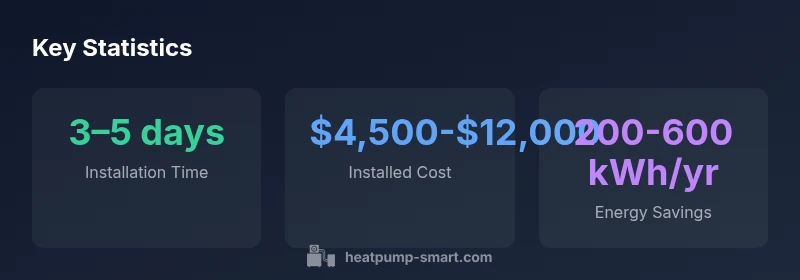
| Installation Time (single-family) | 3–5 days | Includes assessment, equipment delivery, and basic electrical work |
| Installed system cost range (installed) | $4,500-$12,000 | Depends on system size, ductwork, and permits |
| Permitting & Inspection Time | 2-4 weeks | Varies by municipality and project scope |
| Warranty Length | 5-12 years | Manufacturer + installer coverage |
Your Questions Answered
What licenses and credentials should I look for in Maine heat pump installers?
Look for licensed HVAC technicians with cold‑climate training and manufacturer certification. Ask for proof of insurance, licensing numbers, and recent project references. A reputable installer will readily share credentials and past performance.
Look for licensed technicians with cold‑climate training and proof of insurance, plus recent references.
How long does a typical installation take in Maine?
Most residential installs take several days, depending on ductwork and electrical upgrades. Expect some scheduling lead time for permits in your municipality, with weather affecting the start date.
Most installs take a few days, with permitting and weather affecting timing.
Are rebates available in Maine for heat pump installations?
Yes. Maine often offers rebates and incentives through utilities and state programs. Your installer should help identify eligible programs and assist with application details.
There are rebates in Maine; your installer can help you apply.
How can I verify an installer’s past work and references?
Ask for at least three references and project photos from similar homes. Contact previous clients about reliability, timeliness, and after‑sales service. Review online testimonials and local licensing board records when possible.
Ask for references and prior project photos; check reviews.
Do ductless mini-splits require special considerations in Maine?
Ductless mini-splits are common in retrofit projects and smaller spaces. They require precise indoor headroom, proper refrigerant charge, and secure mounting. Verify that the installer has experience with ductless configurations in cold climates.
Ductless systems need careful mounting and proper refrigerant care.
What maintenance is recommended after installation?
Schedule annual inspections to check refrigerant levels, filter cleanliness, and thermostat performance. Routine maintenance helps sustain efficiency and extends system life. Your installer may offer maintenance plans for ongoing support.
Annual checkups keep the system efficient and reliable.
“Professional installation by a qualified Maine heat pump installer is essential for achieving the promised efficiency gains and system longevity.”
Top Takeaways
- Compare Maine heat pump installers with transparent quotes
- Ensure proper sizing to maximize efficiency and avoid short cycling
- Plan for permitting and weather-related scheduling in Maine
- Prioritize warranties on both parts and workmanship
- Leverage rebates and incentives to reduce net costs