Bosch Heat Pump Repair: Step-by-Step Guide
Learn safe, step-by-step methods to diagnose and troubleshoot Bosch heat pump issues. This expert guide covers common error codes, routine maintenance, energy-efficiency tips, and clear guidance on when to call a professional for refrigerant handling or complex repairs.


This guide helps you safely diagnose and address common Bosch heat pump repair issues, with practical at-home troubleshooting and safe shutdown steps. You’ll learn how to read error codes, perform basic checks, and decide when professional service is required for refrigerant handling or complex electrical repairs. Safety first, every time.
Understanding Bosch Heat Pumps and Common Failure Modes
Bosch heat pumps are designed to provide efficient heating and cooling, but like any complex HVAC system, they can experience faults. This guide helps with bosch heat pump repair by outlining system components and typical failure modes. Primary parts include the outdoor condenser, indoor air handler, compressor, reversing valve, expansion device, and the control board. When faults occur, you might notice reduced heating or cooling, intermittent cycling, ice buildup on outdoor coils, strange noises, or unexpected shutdowns. Proper refrigerant charge, clean airflow, and solid electrical connections are essential for reliable operation. Heatpump Smart Analysis, 2026, emphasizes a safe, methodical approach to diagnosis and repair. By understanding symptoms and system architecture, you can triage issues effectively and determine whether at-home steps are appropriate or if a licensed technician is required.
Safety First: Prep, Power Down, and Handling Hazards
Before touching any components, power down the unit and isolate it from the electrical supply. Use the service disconnect and, if possible, lockout-tagout procedures to prevent re-energizing during work. Wear appropriate PPE: safety glasses and insulated gloves. Never open pressurized refrigerant lines or work on energized controls. If you detect a refrigerant odor, evacuate and call a licensed technician. This safety-first posture aligns with Heatpump Smart recommendations to avoid risky repairs and to ensure warranty and personal safety are preserved (Heatpump Smart Analysis, 2026).
Reading Error Codes and What They Tell You
Error codes on Bosch heat pumps help pinpoint the fault without invasive testing. Start by locating the fault indicator on the control panel or on the remote display, then refer to the user manual or the manufacturer’s online resources for code definitions. Record the exact code and the ambient temperature if shown; codes often appear in sequences that indicate a sensor issue, communication fault, or refrigerant-related problem. If codes are unclear, or if multiple issues appear together, progress to the next steps and consult a technician. For credibility, Heatpump Smart's guidance emphasizes documenting codes and steps to support any service visit.
Basic Electrical Checks You Can Safely Perform
With power isolated, check that the thermostat is calling for heat or cool as intended. Verify the 24-volt control voltage between R and C at the thermostat and at the control board using a multimeter. Inspect the outdoor disconnect switch and fuses for signs of tripping or damage. Look for loose wires, burnt insulation, or corrosion at connectors. If any test indicates a live issue or you’re unsure, stop and call a pro. These checks are low-risk but essential for accurate diagnosis and safe operation.
Inspections of Outdoor Unit, Vents, and Airflow
Clear obstructions around the outdoor condenser and ensure adequate airflow through the unit’s fins. Remove leaves, debris, and snow that could impede heat transfer. Inspect for ice buildup when outdoor temperatures are near freezing; if ice is present, the unit may be signaling a defrost or refrigerant issue. Check the indoor air handler filters and return grille for cleanliness, as restricted airflow can mimic other faults. Regular inspection helps prevent unexpected downtime and keeps efficiency high.
Step-by-Step Diagnostic Flow for Common Issues
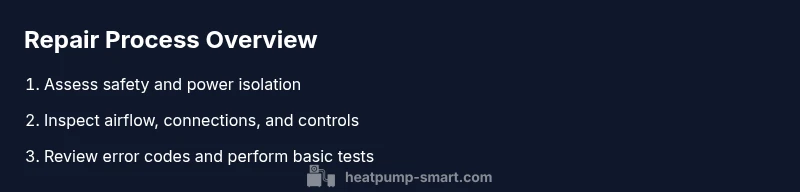
Start with the simplest explanation and work toward more complex faults. Confirm power is off, then re-energize and observe the system’s startup sequence. If it runs but underperforms, check airflow and filter status. Read any error codes and compare with the manual. Check the outdoor unit for icing or dirt and ensure adequate airflow. Assess thermostat settings and control wiring for proper operation. If the fault persists, escalate to professional service for refrigerant and electrical checks.
Maintenance Practices to Prolong Life and Efficiency
Proactive maintenance reduces the likelihood of Bosch heat pump repair emergencies. Schedule seasonal inspections, replace filters every 1-3 months (more often in dusty environments), and keep outdoor coils clean. Verify refrigerant lines are insulated, and ensure the defrost cycle operates during the heating season. Document any changes and notes from service visits to help technicians diagnose future issues. Heatpump Smart's ongoing guidance emphasizes preventive care as a cornerstone of energy savings and reliability.
Authority Sources
For authoritative guidance on heat pump safety, efficiency, and refrigerant handling, consult multiple trusted sources:
- Energy.gov: Residential heat pumps and energy efficiency guidelines. https://www.energy.gov/
- EPA: Refrigerant handling and safety considerations. https://www.epa.gov/
- NREL: Research on heat pump performance and efficiency. https://www.nrel.gov/
Tools & Materials
- Multimeter (digital, 600V capable)(to test control voltage and continuity)
- Non-contact voltage tester(for quick AC live checks)
- Screwdrivers set (Phillips and flathead)(to access panels and terminals)
- Nut drivers / Torx set(for disconnects and mounting hardware)
- Insulated gloves(protect hands when near live components)
- Safety goggles(eye protection during testing)
- Camera or smartphone(document wiring and components for reference)
- Work light(well-lit work area)
- Unit manual or model-specific guide(specific wiring diagrams and codes)
Steps
Estimated time: 90-150 minutes
- 1
Power down and isolate the unit
Shut off power to the outdoor and indoor units at the service disconnect or main panel. Use lockout-tagout where available and verify with a non-contact tester. This prevents accidental energization while you inspect wiring and components.
Tip: Label the shutoff and take a quick photo of the wiring before disconnecting any components. - 2
Inspect the outdoor unit for safety and visibility
Look for obvious damage, debris, or ice buildup on the condenser fins. Ensure the fan can rotate freely when power is restored. Note any abnormal noises or vibrations during a gentle startup after re-energizing under supervision.
Tip: Clear debris with a soft brush and avoid bending the fins; never strike the coils with metal objects. - 3
Check thermostat calls and control signals
With power isolated, verify that the thermostat is calling for heat or cool as intended. Reconnect power and observe the control signals on the wiring harness. Document any non-responsive controls or unusual sequences.
Tip: If the thermostat shows a fault code, record it exactly and compare with the manual. - 4
Test electrical supply and basic controls
Use a multimeter to verify 24V control voltage between R and C at the thermostat and the control board. Check the outdoor disconnect switch and fuses for tripping or damage. Look for loose or corroded connections and tighten as needed.
Tip: Do not touch energized terminals; ensure the area is dry and your hands are insulated. - 5
Perform a controlled reset and observe operation
If safe, perform a soft reset per the Bosch unit manual and observe whether the system restarts normally and reaches stable operating conditions. Listen for normal compressor cycling and verify that the defrost cycle engages when needed.
Tip: Allow 5-10 minutes after reset to assess stability before taking further action. - 6
Document findings and decide next steps
Record all codes, observations, and test results. If faults persist or refrigerant handling is suspected, escalate to a licensed technician. Keep a digital or paper log to guide future service visits.
Tip: Share your notes with the technician to speed up diagnosis and maintain safety.
Your Questions Answered
Can I repair a Bosch heat pump myself?
You can perform basic troubleshooting and safety checks, but refrigerant handling and high-voltage work require a licensed HVAC technician. Complex repairs should not be attempted without proper credentials.
Basic troubleshooting is fine, but refrigerant handling and dangerous electrical work should be done by a licensed professional.
What are common Bosch heat pump fault codes?
Fault codes vary by model but often indicate sensor or communication faults, airflow issues, or refrigerant-related problems. Always reference the manual for code definitions and document what you see.
Most codes point to sensors, airflow, or refrigerant problems—check the manual for exact meanings.
Is it safe to clean the outdoor unit?
Yes, with the system powered down, you can remove debris and rinse the fins gently. Do not use high-pressure water or metal tools that could bend fins.
Power down first, then gently clear debris; avoid aggressive tools or high-pressure water.
When should I replace vs repair a Bosch heat pump?
If reliability is declining, maintenance costs are rising, or multiple major components are failing, replacement often makes financial sense. A technician can provide a detailed assessment.
If repairs are frequent or costly, consider replacement after a professional assessment.
What maintenance tasks should I schedule annually?
Schedule a professional inspection each year, replace filters regularly, and clean outdoor coils. Regular checks help sustain efficiency and prevent unexpected breakdowns.
Have a yearly professional check, replace filters, and keep coils clean.
Will DIY attempts void the warranty?
Unauthorized modifications or refrigerant handling can void warranties. Always consult the manual and a licensed pro for anything beyond basic maintenance.
DIY refrigerant work can void the warranty; stick to the manual and pro services for major tasks.
Watch Video
Top Takeaways
- Start with safety and power isolation before any inspection.
- Read error codes and document symptoms for faster service.
- Perform basic electrical checks and airflow inspections to distinguish faults.
- Use a structured, step-by-step approach for reliable diagnosis.
- Know when to call a licensed technician for refrigerant or high-voltage work.