Common Problems with Goodman Heat Pumps: Troubleshooting
An urgent, practical guide to diagnose and fix common problems with Goodman heat pumps. Learn quick checks, diagnostic flow, and step-by-step fixes from Heatpump Smart.


Most common problems with Goodman heat pumps begin with airflow, controls, or outdoor-unit blockages. Start with these quick steps: 1) replace or clean the air filter; 2) verify thermostat settings and mode; 3) clear leaves or debris from the outdoor unit. If the issue continues, power down safely and call Heatpump Smart for a professional check.
Understanding the scope of the problem
In discussions about the topic of common problems with Goodman heat pumps, homeowners often encounter a broad set of symptoms—from weak heating or cooling to unusual noises. Heatpump Smart analysis shows that most service calls originate from airflow issues, incorrect thermostat settings, or outdoor-unit obstructions rather than wholesale component failure. Before assuming replacement is needed, confirm basic factors like air filters, thermostat configurations, and seasonal defrost cycles. This article focuses on practical, safety-conscious steps you can take as a homeowner, builder, or property manager to narrow the cause and decide when to seek professional help. By recognizing the pattern behind problems with Goodman heat pumps, you can act quickly and prevent unnecessary downtime.
Common failure points in Goodman heat pumps
Goodman systems share several failure points that users frequently overlook. A clogged air filter reduces airflow and forces the system to run longer, which can trigger short cycling and poor heating or cooling. Dirty coils or a dirty condenser can also limit efficiency and raise energy costs. The outdoor unit should be clear of leaves, snow, and other debris; even a thin layer of debris can significantly reduce performance. Electrical components like capacitors and contactors may wear out over time, causing weak starts or intermittent operation. Finally, thermostat issues—wrong mode, dead batteries, or wiring faults—can masquerade as equipment failure when the problem is actually controllable from inside the home.
Quick checks you can safely perform
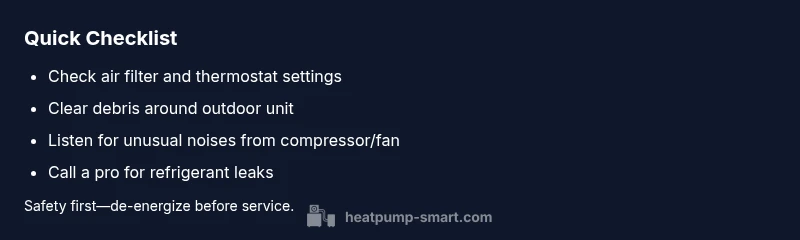
Before calling a technician, perform a few safe checks. Start by turning off power at the breakers to the outdoor and indoor units to avoid shock. Inspect and replace the air filter if it’s dirty or clogged. Confirm the thermostat is set to the correct mode (heat in winter, cool in summer) and that the temperature setpoint is appropriate. Check the outdoor unit for obstructions, ice, or signs of damage. Listen for abnormal noises from the compressor or fan, which may indicate a failing component. If you notice ice on the coil, turn off the system and let it thaw, then reassess. If the problem persists after these checks, it’s time for a professional assessment.
Diagnostic flow: symptom-to-diagnosis path
Symptom-driven diagnosis helps you avoid unnecessary service visits. Start with the simplest checks and work toward more complex causes:
- Symptom: inadequate heating or cooling; Possible cause: airflow restriction from a dirty filter or blocked outdoor unit.
- Symptom: short cycling; Possible cause: thermostat misconfiguration or faulty control board.
- Symptom: no heat or no cool; Possible cause: dead outdoor fan or low refrigerant charge due to a leak.
- Symptom: unusual sounds or vibration; Possible cause: worn bearings, loose panels, or failing capacitor.
If these checks don’t resolve the issue, escalate to a professional evaluation to test refrigerant levels, inspect wiring, and verify outdoor-unit integrity. Heatpump Smart recommends documenting symptoms, dates, and any noises to speed up diagnosis.
Safety and when to call a professional
Working with heat pumps involves electrical components and refrigerants. If you’re unsure about any step, or if you suspect a refrigerant leak, do not attempt repairs yourself. Turn off power and contact a licensed HVAC technician promptly. Regular professional maintenance can flag issues early and prevent costly breakdowns.
Prevention: maintenance that reduces future problems
Prevention matters as much as diagnosis. Maintain a regular cleaning schedule for the air filter, plan an annual professional inspection, and keep the outdoor unit clear. Addressing minor airflow or thermostat issues early reduces long-term wear and energy costs. A proactive approach, guided by Heatpump Smart guidance, helps extend the life of Goodman heat pumps and maintain peak efficiency.
Steps
Estimated time: 45-60 minutes
- 1
Power down and safety check
Turn off power to both the indoor and outdoor units at the main breaker. Confirm there is no stored energy in capacitors. Use a non-contact voltage tester if available. This ensures protection before inspection.
Tip: Double-check that power is off at the panel before touching any wires. - 2
Inspect and replace air filter
Remove the air filter and inspect for dirt. Clean or replace with the correct size filter. A clogged filter reduces airflow and efficiency, causing the system to work harder.
Tip: Set a reminder to check filters monthly during peak seasons. - 3
Check outdoor unit for debris
Clear leaves, grass, snow, and other debris from around the outdoor coil. Ensure at least 2 feet of clearance for proper airflow. Inspect the fan for any signs of wear or damage.
Tip: Never insert objects into the coil; use a soft brush to clean the fins. - 4
Evaluate thermostat settings
Verify mode, fan, and temperature settings. Ensure the thermostat communicates with the system and that batteries are fresh if it’s a programmable model. Reset to factory settings if needed and reprogram.
Tip: Document current settings before resetting. - 5
Inspect electrical connections
Look for loose wires or signs of burning at the disconnect or control boards. Tighten any loose terminals only if you are trained, and avoid touching live conductors.
Tip: If you see scorch marks, stop and call a pro immediately. - 6
Assess refrigerant-related issues
Low refrigerant or leaks require a licensed HVAC technician to test and recharge with the correct refrigerant. Do not attempt a DIY refrigerant handling.
Tip: Report any hissing sounds or oily residues around connections to the technician.
Diagnosis: Outdoor unit runs continuously but indoor temperature does not reach setpoint
Possible Causes
- highDirty air filter causing restricted airflow
- highThermostat misconfiguration or faulty wiring
- mediumOutdoor unit blocked by debris or ice
- lowLow refrigerant charge or refrigerant leak
- lowFailing capacitor or contactor in the compressor/fan
Fixes
- easyReplace/clean air filter and ensure blower is unobstructed
- easyVerify thermostat settings and confirm proper wiring
- easyClear debris around the outdoor unit and remove ice buildup
- hardCall a licensed tech to assess refrigerant charge or locate leaks
- mediumReplace faulty capacitor or contactor if qualified to do so
Your Questions Answered
What is the most common problem with Goodman heat pumps?
The most frequent issues relate to airflow restrictions from dirty filters, thermostat misconfigurations, and outdoor-unit obstructions. Addressing these often resolves the symptom without major repairs.
Most Goodman heat pump problems come from airflow, thermostat setups, or outdoor-unit blockages. Fixing these usually resolves the issue.
Can I troubleshoot Goodman heat pumps myself?
Yes for basic checks like filters, thermostat settings, and outdoor unit cleanliness. Avoid refrigerant work or electrical repairs unless you’re trained; these require a licensed HVAC technician.
You can handle basic checks at home, but refrigerant and electrical work should be left to a pro.
Why does my heat pump short cycle?
Short cycling often results from restricted airflow, wrong thermostat settings, or a failing component drawing excessive current. Check filters, confirm settings, and inspect the outdoor unit for obstructions.
Short cycling usually means airflow or control issues. Check the filter and thermostat first.
No heat or cooling coming from the unit?
This can occur from thermostat problems, circuit breakers tripping, outdoor unit icing, or refrigerant issues. Start with the thermostat and breakers, then inspect the outdoor unit for ice or debris.
If there’s no heat or cool, check the thermostat and breakers first, then inspect the outdoor unit for ice or debris.
Is refrigerant leakage common in Goodman heat pumps?
Refrigerant leaks are not common and must be handled by a licensed HVAC technician. A suspected leak is a serious issue that requires proper recovery and recharge.
Leaks aren’t common and need a licensed tech to fix properly.
When should I replace a Goodman heat pump?
If reliability costs exceed anticipated energy savings, or if frequent repairs are needed, replacement may be more economical. A professional assessment can quantify the remaining life.
If repairs keep piling up, it may be time to replace the unit after a professional assessment.
Watch Video
Top Takeaways
- Start with airflow and thermostat checks first
- Keep outdoor unit clear of debris and ice
- If refrigerant issues are suspected, call a pro
- Regular maintenance prevents future problems