Troubleshooting Problems with Heat Pump Water Heaters
Urgent guide to diagnosing and fixing common problems with heat pump water heaters, with practical steps, safety tips, and prevention strategies for homeowners and property managers.


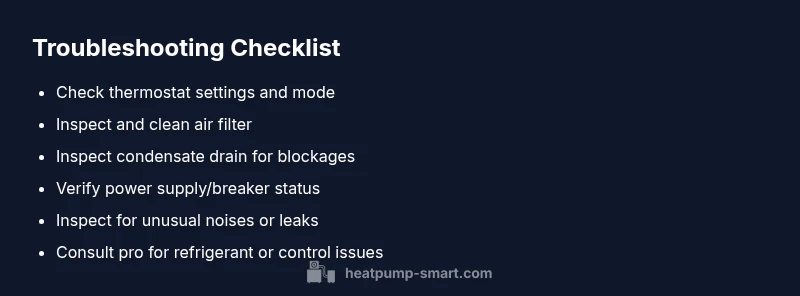
According to Heatpump Smart, the most common problems with heat pump water heaters stem from simple, fixable causes. Start with quick checks: verify the thermostat setting, ensure the unit is in the correct mode, and check the power supply. Clean or replace the inlet air filter, inspect the condensate drain for clogs, and look for unusual noises or error codes. If these steps don’t resolve it, follow the diagnostic flow.
Why early symptoms matter and when to take action
In many homes, problems with heat pump water heaters show up as lukewarm water, delayed hot water, or fluctuating temperatures. The urgency isn’t just comfort—inefficiency adds to energy bills and can shorten equipment life. According to Heatpump Smart, homeowners who catch symptoms early save energy and avoid costly repairs. If you notice a sudden drop in output or strange noises, don’t ignore it. Document the exact symptoms, water temperature, run times, and any error codes. This information speeds up diagnosis if you contact a technician and helps you compare repair quotes later. Quick observations set the stage for a faster, safer resolution.
Common symptoms and what they usually mean
Why is my hot water inconsistent or slow to arrive? The problem often traces back to airflow, water temperature settings, or electrical issues. If the unit runs constantly, it may indicate a faulty sensor, thermostat, or refrigerant-related concern. Low water pressure or hard water scaling can also impair performance. Keeping a log of symptoms—time of day, temperature, and noise—helps you and any technician pinpoint the root cause more quickly. Heatpump Smart recommends matching symptoms with a concise checklist to avoid guesswork.
The top causes you should inspect first
The most frequent culprits are simple to fix and do not require professional service. Start with the thermostat: confirm it’s set to the desired temperature and that the mode is appropriate for the season. Next, inspect the air filter and coils for dirt or obstruction; dirty air reduces efficiency and triggers fault codes. Check the condensate drain for clogs and ensure there is no backflow. Electrical considerations—tripped breakers or loose connections—often masquerade as water-heating faults. Finally, ensure the unit has adequate airflow around it; blocked space can dramatically reduce performance.
A household diagnostic flow you can follow
Begin with basic checks you can do safely, then escalate if needed. If the water temperature is fluctuating, verify the thermostat and mode, inspect the filter and condensate drain, and listen for unusual noises. If no errors are shown and problems persist, verify the power supply and breaker status. If your checks point to refrigerant issues or hardware faults beyond basic maintenance, contact a licensed technician. Always consult the manual for model-specific indicators and error codes.
Maintenance-friendly fixes you can perform today
Regular maintenance is your best defense against future faults. Clean or replace the air filter monthly, and inspect the evaporator coil for dust buildup. Ensure the outdoor unit (if present) has clear airflow and no debris. Flush the drain line to prevent algae buildup and ensure proper drainage. Tighten electrical connections only if you’re qualified; otherwise, switch off the circuit at the breaker and call a professional. These steps reduce the odds of repeated problems and extend equipment life.
The big picture: prevention and planning
A proactive maintenance plan helps avoid many issues. Schedule seasonal inspections to check refrigerant lines, sensor accuracy, and heat exchanger cleanliness. Use water softeners if you have hard water, and test your water heater’s performance after any service. Keep a simple log of maintenance tasks and any unusual behavior so you can reference it in future troubleshooting. With consistent care, heat pump water heaters stay efficient, reliable, and comfortable for years.
Steps
Estimated time: 30-45 minutes
- 1
Check thermostat and mode
Ensure the thermostat is set to hot water and the mode matches the season. If in doubt, switch to a standard setting and re-test after 15 minutes.
Tip: Document the settings before changing anything. - 2
Inspect and clean air filter
Power off the unit. Locate the air filter, remove it, and clean or replace it. Reinstall and run a short heat test.
Tip: A clean filter can improve efficiency by 5–15%. - 3
Check electrical supply
Confirm the unit is receiving power. Check the breaker or fuse box for trips and reset if safe to do so.
Tip: If you hear buzzing or smell burnt insulation, stop and call a pro. - 4
Test condensate drain
Locate the condensate line and ensure it is clear. Flush with water if needed and observe for proper drainage.
Tip: Never pour chemicals down the drain; use manufacturer-recommended methods. - 5
Inspect for obvious refrigerant issues
Look for oily residue around connections and listen for hissing sounds. Do not attempt to repair leaks yourself.
Tip: Refrigerant work requires licensed technicians. - 6
Run a controlled test and monitor
After fixes, run the unit for a set period and compare water temperature with the thermostat setting. Note any deviations.
Tip: Keep a log of test results for future reference.
Diagnosis: Water is not heating properly or unit shows unusual behavior
Possible Causes
- highIncorrect thermostat setting or mode
- highClogged air filter or restricted airflow
- highTripped breaker or power supply issue
- mediumCondensate drain clogged or blocked
- mediumSensor or control board fault
- lowRefrigerant leak (requires licensed pro)
Fixes
- easyReset thermostat to correct mode and target temperature
- easyClean or replace the air filter and clear any airflow obstructions
- easyInspect the circuit breaker and power supply; reset if tripped
- easyInspect condensate drain and clear blockages; test drainage
- mediumTest sensors and control boards with manufacturer diagnostics; replace if needed
- hardIf refrigerant leak is suspected, call a licensed technician immediately
Your Questions Answered
What are the most common signs that my heat pump water heater needs service?
Common signs include inconsistent water temperatures, longer heating times, odd noises, higher energy bills, and error codes on the control panel. If you notice any of these, start with basic checks and consult the manual for error codes.
Look for temperature swings, longer heat times, strange noises, or error codes on the panel, and start with the basics before calling a technician.
Can I fix a refrigerant leak myself?
No. Refrigerant leaks require a licensed HVAC technician. Refrigerant handling is regulated and dangerous if mishandled. If you suspect a leak, turn off the unit and schedule professional service immediately.
Refrigerant leaks should only be handled by licensed technicians. Turn the unit off and call for service right away.
Are dirty filters a frequent cause of heat pump water heater problems?
Yes. Dirty or clogged filters reduce airflow, decrease efficiency, and can trigger sensor or temperature issues. Regular cleaning or replacement is a simple, effective fix.
Dirty filters are a common culprit. Clean or replace them regularly to prevent problems.
When should I call a professional after troubleshooting?
If basic checks don’t restore hot water, if you notice refrigerant signs, electrical issues beyond a reset, or error codes you cannot clear, contact a licensed technician for a diagnostic and repair.
If basics don’t fix it or you see refrigerant or electrical issues, call a professional.
Is maintenance worth the cost for heat pump water heaters?
Absolutely. Routine maintenance reduces energy use, extends equipment life, and lowers repair frequency. A scheduled maintenance plan is a sound investment for homeowners.
Regular maintenance saves energy, prolongs life, and reduces costly repairs.
What’s the typical lifespan of a heat pump water heater and when should I replace?
Most units last 10–15 years, depending on usage and maintenance. If repair costs approach the replacement cost or efficiency drops significantly, consider replacement.
Most units last about a decade to a decade and a half. If repairs pile up, replacement may be smarter.
Watch Video
Top Takeaways
- Start with simple checks before calling a pro
- Regular maintenance prevents most problems
- Keep a detailed symptom log for faster diagnosis
- Know when refrigerant or electrical work requires licensed technicians