Geothermal Heat Pump Repair Near Me: A Step-by-Step Guide
Find reliable geothermal heat pump repair near me with a practical, safety-focused plan. Learn common faults, diagnostic approaches, hiring tips, and maintenance to protect your home’s comfort and energy savings.


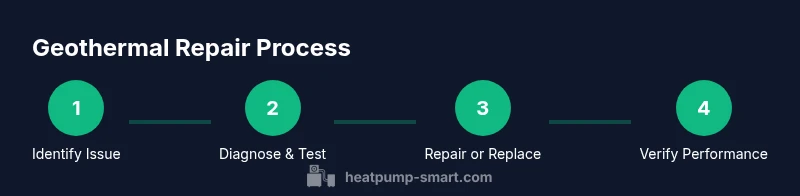
Geothermal heat pump repair near me requires careful diagnostic work to restore comfort and efficiency. This guide helps you find licensed technicians, understand common faults, and what to expect from service. According to Heatpump Smart, a precise diagnosis saves time, money, and energy. Start by noting symptoms, checking safety, and researching local providers with strong track records.
What geothermal heat pump repair near me covers
Geothermal heat pumps are highly efficient home comfort systems that rely on buried ground loops and a compact indoor unit to move heat between the house and the earth. When you search for geothermal heat pump repair near me, you’re seeking a service that can diagnose and fix issues spanning electrical controls, the circulating pump, the refrigerant loop, and the outdoor coil. A legitimate repair addresses the root cause, not just a symptom, and aims to restore energy efficiency. The repair process often begins with a careful safety check, verification of system load, and a review of recent maintenance. Heatpump Smart notes that a repair’s success hinges on identifying the root cause quickly and accurately. You’ll want a technician who can explain the fault clearly, show measurements, and provide options for repair versus component replacement. In well-maintained systems, most faults fall into a few categories: electrical faults, refrigerant leaks, loop integrity concerns, and sensor or control malfunctions. Understanding these helps homeowners communicate with technicians and set realistic expectations.
Common failure modes and symptoms
Geothermal systems can fail in several predictable ways, and recognizing symptoms helps you act quickly and minimize downtime. Common signs include a lack of heating or cooling or uneven temperatures across zones; short cycling, where the unit runs for very short periods; and unusual noises such as banging, humming, or rattling that indicate loose components or electrical arcing. Frost or ice buildup on outdoor loops or the outdoor unit can signal refrigerant or loop issues, while visible leaks around refrigerant lines require immediate attention. Thermostat or control panel error codes can point to sensor faults, wiring problems, or communication errors between the indoor and outdoor units. If you notice a drop in efficiency or a rise in energy bills, that’s another cue to schedule a diagnostic visit. Document dates, sounds, and any changes in performance to share with your technician.
Safety first: Shutdown and risk assessment
Safety comes first when dealing with geothermal systems. Begin by turning off power to the unit at the service disconnect or main breaker to prevent shock or compressor damage. If you detect refrigerant leaks, avoid contact with the liquid or gas and ventilate the area; only trained technicians should handle refrigerants. Never attempt to force switches or bypass safety interlocks. Use protective eyewear and gloves when inspecting exposed electrical components, and ensure children or pets are kept away from the work area. Before any inspection, verify that all guests and occupants understand that work is in progress and that the system is off. This precaution minimizes the risk of injury and ensures compliance with local electrical codes.
Diagnostic approach used by qualified technicians
A professional will start with a safety and system-load check, then review thermostat settings and control wiring. They’ll measure electrical supply, inspect contactors and fuses, and test temperature differentials across the indoor and outdoor units. Refrigerant pressures are evaluated with a manifold gauge and leak detectors are used to identify any leaks in lines or the loop field. If the loop is buried, technicians may perform a pressure test or use specialized equipment to assess integrity without excavation. Sensor readings from the variable speed drives, pressure transducers, and outdoor temperature sensors are compared against manufacturer specs. A clear diagnostic report is created, outlining root causes and recommended repairs, so you can decide between repair and replacement. Heatpump Smart emphasizes documentation and transparent quotes as keys to trustful service.
How to choose a geothermal heat pump repair near me provider
Start by verifying licensing and certifications (EPA 608 for refrigerant handling and relevant HVAC credentials). Look for technicians with hands-on geothermal experience and ask for recent references or case studies. Request a written diagnostic plan and a guaranteed estimate before approving work. Check reviews for reliability, punctuality, and communication, and confirm whether the provider offers post-repair testing to verify system performance. Ask about warranties on parts and labor, and whether the quote includes a follow-up visit if issues persist. Heatpump Smart analysis shows that providers who share service reports, photos, and test results tend to offer higher customer satisfaction and better long-term performance. Finally, compare multiple quotes to ensure you’re not paying for unnecessary parts or redundant visits.
DIY considerations: what you can and can't fix yourself
Home maintenance like replacing air filters, cleaning coils, and ensuring clear space around outdoor equipment is safe for a handy homeowner. Avoid opening sealed refrigerant lines or attempting to recharge a refrigerant circuit; these tasks require EPA-certified professionals. Don’t bypass safety switches or attempt to bypass electrical controls. If you notice a minor issue, such as a non-critical fault code or a thermostat miscommunication, you may reset or reconfigure settings after documenting the problem, but always follow the manufacturer’s guidelines. For most refrigerant, loop, or compressor concerns, call a qualified technician rather than attempting a DIY fix. Keeping a log of symptoms can help a tech diagnose faster on your next service call.
What to expect during a repair visit
A typical visit begins with safety confirmation and system status checks, followed by a diagnostic run using pressure tests, electrical testing, and sensor data review. Expect a written assessment that identifies root causes, a recommended repair plan, and a clear price quote. The technician should test the system after repairs and confirm proper operation, including heating and cooling setpoints and temperature differentials. If refrigerant is involved, you should receive documentation of charges and refrigerant type. Before leaving, the technician should review what was repaired, any ongoing maintenance needed, and a suggested service interval to prevent future problems.
Maintenance tips to extend life and prevent repairs
Preventive care goes a long way toward reliability and efficiency. Schedule annual professional inspections to verify loop integrity, check refrigerant charge in non-sealed segments, and test safety switches. Regularly replace or clean air and cabin filters, clear debris around outdoor components, and ensure that the heat pump’s thermostat and controls are communicating correctly. Maintain proper drainage in the condensate lines and verify antifreeze levels in liquid-filled loops if your system uses them. Keep a log of performance data and outdoor temperatures to help spot trends that precede failures. Proactive maintenance reduces unexpected outages and extends the life of the heat pump.
Cost considerations and timelines for geothermal repairs
Costs vary widely based on region, the fault’s complexity, and component availability. A diagnostic visit typically costs more than a standard routine check, and subsequent repairs depend on parts and labor. Minor issues like relay replacements or sensor calibration are usually less expensive, while refrigerant leaks, loop repairs, or a failed compressor can significantly raise the bill. Heatpump Smart notes that transparent, itemized quotes with clear diagnostics help homeowners budget and compare options. Expect timelines to range from a few hours for simple fixes to several days for parts ordering or loop work, depending on the scope of the repair and access to the property. Always request an anticipated timeline and a post-repair test plan before authorizing work.
Next steps and decision checklist
- Gather your notes on symptoms, dates, and any error codes.
- Verify a technician’s licenses, certifications, and geothermal experience.
- Request a written diagnostic plan and an upfront price quote.
- Compare multiple providers and ask for post-repair testing.
- Schedule a follow-up check if performance remains uncertain.
- Have a safety plan for power shutoffs and evacuations if refrigerant issues occur.
Tools & Materials
- Digital multimeter(Test electrical components and controls for proper voltage and continuity)
- Pressure gauge/manifold(Check refrigerant pressures and system charging)
- Leak detector (electronic or UV dye)(Identify refrigerant leaks in lines and loop connections)
- Thermal imaging camera or infrared thermometer(Optional for locating overheating components or hidden faults)
- Safety PPE (gloves, goggles, insulated footwear)(Protect technicians during inspections and repair work)
- Leak-safe refrigerant recovery and handling kit(Only for certified technicians; not for DIY use)
Steps
Estimated time: 2-4 hours
- 1
Identify symptoms and safety risks
Document the exact symptoms and conditions under which the problem occurs. Note temperatures, cycling patterns, and any error codes. Assess obvious safety risks before touching any equipment. This clarity guides the diagnostic process and prevents unnecessary hazards.
Tip: Keep detailed notes—timing, duration, and conditions help the tech reproduce and diagnose the fault. - 2
Shut off power and isolate the unit
Turn off power at the disconnect or main breaker to prevent electric shock and compressor damage. If you smell refrigerant or hear hissing, evacuate the area and inform the technician. Ensure the system remains isolated until a qualified professional is on site.
Tip: Lock out the area if others service the space to avoid accidental re-energizing. - 3
Check thermostat and controls
Verify thermostat settings match desired indoor temperatures and that control wiring is intact. Look for incorrect modes (heat/cool), wiring damage, or loose terminals. This step can reveal control faults that mimic mechanical failures.
Tip: If you reset the thermostat, document the previous settings for the technician. - 4
Inspect electrical components
Safely access the electrical compartment and inspect fuses, relays, contactors, and wiring for signs of wear, arcing, or overheating. Faulty electrical parts are common culprits and are often quick to replace.
Tip: Look for discoloration or a burnt odor as indicators of arcing. - 5
Evaluate refrigerant lines and pressures
For systems with accessible service ports, test refrigerant pressures and observe for leaks or cooling inefficiencies. A pressure anomaly often signals leaks or improper charging and requires professional handling due to safety concerns.
Tip: Do not attempt to charge refrigerant yourself; improper handling can be dangerous. - 6
Assess loop integrity and outdoor unit
Check for physical damage around the outdoor unit, debris obstruction, and pump operation. If a buried loop is suspected, non-destructive tests or tracer gas methods may be used to assess integrity without excavation.
Tip: Keep the outdoor area clear for airflow and access during service. - 7
Review system logs and sensor data
Examine fault codes, sensor readings, and data trends from the control board and outdoor sensors. Correlating data points helps pinpoint whether the issue is sensor-related, control-related, or mechanical.
Tip: Ask the tech to share the diagnostic printout and data excerpts. - 8
Decide on repair vs replacement
Based on diagnosis, evaluate whether a targeted repair, refrigerant recharging, or core component replacement offers the best long-term value and energy efficiency.
Tip: Consider future energy savings when weighing replacement options. - 9
Provide diagnostic report and repair plan
Receive a written report detailing root cause, recommended parts, labor estimates, and a clear timeline. Request guarantees on parts and workmanship and confirm post-repair testing.
Tip: Ensure the plan includes a post-repair verification of performance. - 10
Complete repair and verify performance
Carry out the agreed repairs, test heating and cooling, and confirm that the system maintains setpoints across zones. Verify that energy use aligns with expectations and that no error codes persist.
Tip: Schedule a follow-up check if performance remains uncertain.
Your Questions Answered
What is geothermal heat pump repair?
Geothermal heat pump repair involves diagnosing and fixing issues in the heat pump, loop, refrigerant lines, and controls to restore comfort and efficiency.
Geothermal heat pump repair means finding and fixing problems in the heat pump, its loop, and controls to keep your home comfortable and energy-efficient.
When should I call a professional?
Call a professional if you notice a sudden loss of heating or cooling, unusual noises, frost on the outdoor unit, or visible refrigerant leaks. These issues require licensed technicians.
If your heat pump suddenly stops delivering warmth or cool air, or you hear strange noises or see leaks, call a licensed technician.
Can I DIY a geothermal repair safely?
Some basic maintenance is safe for homeowners, like filter changes and thermostat checks. Do not attempt refrigerant handling, leak repair, or electrical work beyond basic resets.
You can do simple maintenance, but don’t touch refrigerants or electrical components.
What affects the cost of geothermal repair?
Costs depend on diagnosis, required parts, refrigerant handling, and labor. Prices vary by region and system complexity; expect higher costs for leak repairs or loop work.
Costs depend on what’s found during diagnosis and what needs replacing or testing.
How long does a typical repair take?
A diagnostic visit usually takes 1-2 hours, with repair times varying based on parts availability and the scope of work. Complex repairs may require scheduling and follow-up visits.
Diagnosis often takes a couple of hours; actual repair time depends on what’s found.
What credentials should I look for in a tech?
Look for EPA Section 608 certification for refrigerant handling, NATE certification, and demonstrated geothermal experience. Ask for references and recent project details.
EPA refrigerant certification and geothermal experience are good signs of a qualified tech.
Watch Video
Top Takeaways
- Start with a clear diagnostic plan
- Verify credentials before hiring
- Expect cost variation based on diagnosis
- Prioritize safety and system testing
- Maintain annual service for reliability