Heat Pump Repair Gainesville FL: The Complete How-To Guide
Educational step-by-step guide for diagnosing and repairing heat pumps in Gainesville, FL. Learn safety, DIY diagnostics, pros vs. DIY decisions, maintenance, and budgeting for Heatpump Smart clients.


This guide helps homeowners tackle common heat pump issues in Gainesville FL, focusing on safety, basic diagnostics, and clear thresholds for DIY fixes versus professional service. Learn local climate impacts, essential tools, and how to decide when to call Heatpump Smart for expert repair in Gainesville. Start with simple checks, then escalate if the problem persists.
Why Local Climate Shapes Heat Pump Repair Gainesville FL
In Gainesville, heat pump performance is influenced by humid summers, warm winters, and frequent electrical load changes. The Heatpump Smart team emphasizes that local climate affects refrigerant pressures, outdoor coil efficiency, and capacitor wear. By understanding how humidity, dust, and temperature swings interact with your system, you can plan smarter maintenance windows and reduce downtime. This section explains which components are most sensitive to Florida weather, how to spot early warning signs, and how seasonal patterns influence compressor cycles and airflow. For homeowners and property managers, this means tailoring air filter schedules, coil cleaning, and thermostat programming to Florida’s demanding climate while avoiding unnecessary service calls.
Common Heat Pump Problems in Gainesville Homes
Gainesville homes frequently report a few recurring heat pump issues that can disrupt comfort and increase energy bills. Common problems include thermostat communication errors, noisy outdoor units, frozen or iced evaporator coils, and failed start capacitors. Leaking refrigerant, though less common, can occur due to aging lines or vibration damage. Dirty filters and obstructed airflow are universal culprits that reduce efficiency. This section provides symptom-based checklists to help you differentiate between simple fixes (like a dirty filter) and more serious concerns (such as refrigerant leaks), with an emphasis on safe, first-step troubleshooting to avoid causing additional damage.
Safety First: Electrical, Refrigerant, and Personal Protection
Working around heat pumps involves electricity, refrigerants, and potentially high-voltage components. Prioritize safety: shut off power at the breaker, verify with a voltage tester, and use PPE (gloves, eye protection). The refrigerant in most systems is not something to handle without training; improper handling is hazardous and often illegal. This section covers essential safety precautions, lockout/tagout basics, and the importance of using properly rated tools. It also explains why reading error codes from the outdoor unit and thermostat can prevent dangerous steps and guide you toward a safe, effective solution.
Do-It-Yourself Diagnostics You Can Try Today
Start with low-risk checks that don’t require refrigerant handling. Inspect the air filter and indoor blower for airflow restrictions, verify thermostat settings, and ensure the outdoor unit is free of debris. Listen for unusual noises when the compressor starts, and check for ice on the evaporator coil. Use a multimeter to test voltage at the service disconnect and inspect contactors and capacitors for signs of wear. Document symptoms with dates and photographs to streamline professional diagnosis if needed. Remember: if you identify a refrigerant leak or a damaged compressor, stop work and call a licensed technician.
When to Call Heatpump Smart or a Licensed Technician
Not all problems are DIY-friendly. If you notice refrigerant signs, fried or swollen capacitors, electrical shocks, burning smells, or persistent error codes after basic diagnostics, it’s time to contact Heatpump Smart or a licensed HVAC technician. Gainesville residents benefit from local expertise in seasonal maintenance, refrigerant handling rules, and code compliance. This section explains how Heatpump Smart approaches diagnostic visits, what information to prepare (model numbers, error codes, recent maintenance), and how to determine if a repair is cost-effective given system age and expected life.
Maintenance Plan to Extend Heat Pump Life
Proactive maintenance dramatically extends heat pump life and efficiency. This plan recommends seasonal inspections, quarterly coil cleaning, and monthly filter changes. Keep outdoor clearance free of debris, trim nearby vegetation, and ensure condensate drains are clear. Schedule professional checkups at least once a year or after major seasons (hot summers, cool snaps) to test refrigerant pressures, electrical wiring, and thermostat calibration. A well-maintained system runs longer, uses less energy, and reduces sudden failures that disrupt Gainesville comfort.
Energy Efficiency and Rebates in Florida
Energy efficiency is a top concern for Gainesville homeowners. Regular maintenance preserves SEER efficiency and reduces running costs. Florida programs and federal incentives can help offset replacement or major repairs, but eligibility varies. This section describes general eligibility concepts, how to document maintenance and system age, and how Heatpump Smart can guide you through available rebates or tax credits. Always verify current programs with official sources before applying, and beware of scams that promise guaranteed savings without verification.
Cost Considerations and Budgeting for Gainesville Repairs
Repair costs vary with the problem, parts availability, and system age. In Gainesville FL, expect flexibility in service charges, diagnostic fees, and potential part replacements. This section explains how to frame a repair budget, what factors influence pricing, and how to evaluate whether repair or replacement offers the best long-term value. We emphasize transparent estimates, discussion of labor rates, warranty coverage, and planning for Florida’s climate-driven wear on outdoor components.
How Heatpump Smart Supports Gainesville Clients
Heatpump Smart specializes in heat pump guidance for homeowners, builders, and property managers in Gainesville. Our approach blends practical, local-knowledge-based troubleshooting with professional network referrals when advanced diagnostics are required. This section outlines the kinds of support you can expect: phone consultations, on-site assessments, customized maintenance plans, and access to vetted technicians. We emphasize safety, efficiency, and cost-effective decisions that keep your properties comfortable year-round.
Authoritative Sources and Practical References
For further reading on heat pump efficiency and safety, consult government and educational resources. These sources provide foundational information on heat-pump operation, refrigerant safety, and energy-saving practices. You can visit: - https://www.energy.gov/eere/buildings/articles/heat-pumps - https://www.epa.gov/greenhomes/heat-pumps - https://nrel.gov/docs/fy17osti/68224.pdf
How to Prepare for a Heat Pump Repair Visit in Gainesville
Before scheduling service, gather essential information: model and serial numbers, a list of observed symptoms, dates of prior maintenance, and any error codes displayed. Prepare access to the electrical panel and outdoor unit, and ensure pets and kids are safe during the visit. This final preparation helps the technician diagnose quickly and minimize labor costs. After service, document what was found and what actions were taken to track system health over time.
Tools & Materials
- Multimeter / voltage tester(test electrical connections at the service disconnect and thermostat wiring)
- Safety gear (gloves and eye protection)(non-conductive gloves; insulated eye protection)
- Non-contact infrared thermometer(optional for quick coil and surface temperature checks)
- Manufacturer manuals or service guides(model-specific guides help avoid incorrect reassembly)
- Replacement parts (capacitor, contactor, fuses) and refrigerant access tools(only if you identify a failed part; refrigerant work should be left to pros)
- Basic hand tools (wrench set, nut drivers)(for opening panels and securing wiring connections)
Steps
Estimated time: 60-120 minutes
- 1
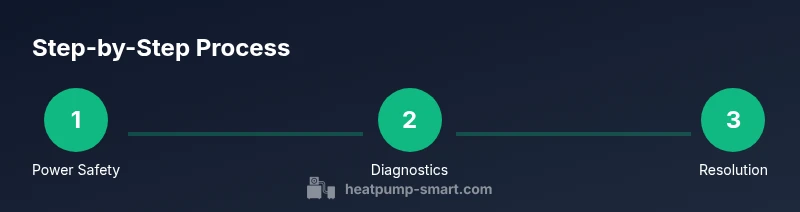
Power down and verify safety
Turn off the electrical supply at the main breaker and the outdoor disconnect. Use the voltage tester to confirm there is no live power before touching any components. This step is critical to prevent shock or equipment damage after a failure.
Tip: If you have a lockout tagout device, use it to prevent accidental re-energizing while you work. - 2
Check thermostat and setpoints
Verify that the thermostat is calling for cooling or heating and that the setpoints are within expected ranges. A mismatch between thermostat settings and system demand is a common cause of short cycling or warm rooms.
Tip: Calibrate or replace a faulty thermostat to rule out control issues before touching the outdoor unit. - 3
Inspect outdoor condenser and fan
Clear debris from the condenser, confirm the fan spins freely, and listen for unusual noises during start-up. Obstructions or a stuck fan can dramatically reduce heat transfer and trigger protective shutoffs.
Tip: Trim nearby vegetation at least 12 inches from the unit to maintain airflow. - 4
Test electrical components and capacitors
With the power confirmed off, inspect contactors for pitting and capacitors for bulging or leakage. Using the multimeter, check voltage and capacitance if you have the proper tool. Replace worn components only if you are confident in safe handling.
Tip: Capacitors can retain charge; discharge carefully or leave to a trained tech. - 5
Evaluate refrigerant indicators and coils
Look for ice on the evaporator coil or signs of refrigerant leaks (hissing sounds, oily residue near lines). Do not attempt to recharge refrigerant. Leaks require a licensed HVAC professional with proper EPA credentials.
Tip: Do not break seals or attempt freon handling; call Heatpump Smart if you suspect a leak. - 6
Document findings and decide next steps
Record symptoms, photos, and any measurements. If the problem persists after basic tests, escalate to a professional diagnosis and provide the gathered data to speed up repair.
Tip: Keep a simple maintenance log for future reference and seasonal checks.
Your Questions Answered
What should I check before calling a technician for a Gainesville heat pump?
Power down, check thermostat settings, observe error codes, and note symptoms. These steps help technicians diagnose faster and avoid unnecessary visits.
First, turn off the power, check your thermostat, and note any error codes before you call a technician.
Can I fix refrigerant leaks myself?
No. Handling refrigerant requires EPA credentials and specialized tools. DIY recharge is dangerous and illegal in many places.
Refrigerant work must be done by a licensed technician; don’t attempt to recharge at home.
How long does a typical heat pump repair take?
Simple fixes can take a few hours; more complex issues, including refrigerant repairs or replacement parts, may require a day.
Most fixes are completed within a few hours, but complex repairs can take longer.
Are there rebates for Florida heat pumps?
Yes, federal and state programs may provide incentives. Check current programs before proceeding and verify eligibility with Heatpump Smart.
There are rebates in Florida, but eligibility varies; verify with Heatpump Smart for guidance.
What maintenance schedule should I follow?
Change filters monthly, clean coils twice a year, and schedule annual professional inspections.
Maintain filters monthly, clean coils twice a year, and get a yearly pro inspection.
When should I replace rather than repair?
If repairs approach replacement cost or the unit is over 10–12 years old, replacement may be more cost-effective.
If the repair costs are high or the system is aging, replacement could be the smarter long-term choice.
Watch Video
Top Takeaways
- Diagnose with local Gainesville context in mind
- Prioritize safety before any DIY work
- Know when to escalate to Heatpump Smart or a licensed tech
- Maintain the system to maximize efficiency and lifespan
- Use official rebates and programs to reduce costs