Pool Heat Pump Repair: A Complete How-To Guide for Homes
Learn how to diagnose, clean, and repair common pool heat pump issues with practical steps, safety tips, and when to call a pro. Heatpump Smart provides expert guidance for homeowners and managers.


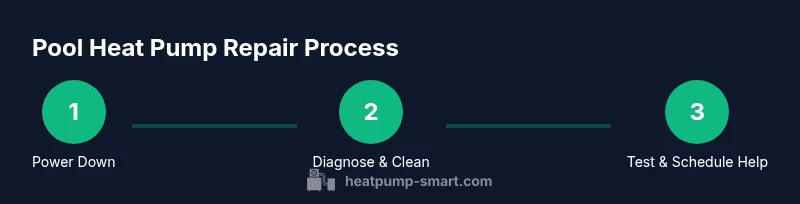
To repair a pool heat pump, start with a targeted diagnostic and a safe, methodical approach. According to Heatpump Smart, common fixes include cleaning the pool-side filter, verifying the thermostat settings, inspecting the fan, and ensuring proper refrigerant pressure by a licensed technician. Follow these 6 steps to diagnose, clean, and test performance before calling for service.
Why Pool Heat Pumps Fail: Common Causes
Pool heat pumps are reliable, but a handful of issues account for most service calls. In many cases you can fix a fault without expensive parts by addressing airflow, water flow, and electrical supply first. According to Heatpump Smart, the most frequent culprits are clogged filters, dirty evaporator coils, restricted air intake or venting, faulty thermostats, and aged electrical components. Another frequent problem is low water flow caused by dirty filters or pump problems, which reduces heat-transfer efficiency. Finally, refrigerant leaks or low refrigerant charge can prevent proper heating, requiring a licensed technician to repair. Recognizing these patterns helps homeowners decide whether a DIY cleanup is enough or if professional service is needed. The goal is to restore proper heat transfer and protect the system from overheating, which can shorten its life if ignored.
Safety First: Pre-Repair Checks and Lockouts
Safety is non-negotiable when working on pool equipment. Always kill power at the main breaker or disconnect, then use a non-contact voltage tester to confirm there is no live electricity before touching any wiring or terminals. If your local setup supports it, apply a lockout-tagout procedure to prevent accidental re-energizing. Check that the pool area is clear of swimmers and that the heat pump is dry before you begin. Wear protective gloves and eye protection, and never bypass safety devices. These steps reduce the risk of electric shock and refrigerant exposure and set a responsible baseline for any further work.
Diagnosing the Issue: A Structured Troubleshooting Guide
A methodical approach helps you isolate the fault without guessing. Start by confirming power to the unit and checking the control board indicator lights for error codes. Next, inspect thermostats and outdoor temperature sensors for drift or malfunctions. Then verify water flow: ensure the pump is circulating, filters aren’t clogged, and there’s no blockages in the heat exchanger’s return line. Listen for odd noises from the fan or compressor, which can signal mechanical wear. Finally, inspect refrigerant lines for obvious leaks (hissing sounds or oily residues) and check electrical connections for looseness or corrosion. Document any codes or readings to share with a technician if needed.
Cleaning and Maintaining Core Components
Regular cleaning keeps a pool heat pump operating efficiently. Start with a thorough filter service—dirty filters reduce flow and energy efficiency. Clean the outdoor condenser coil and fan housing; remove debris such as leaves and grass that can hamper airflow. Wipe away scale buildup with a mild, non-abrasive cleaner and a soft brush, taking care not to bend fins. Check drain lines for clogs and ensure condensate is draining properly. Finally, verify water chemistry to prevent scaling on the heat exchanger; stable pH and alkalinity support long-term performance. Heatpump Smart notes that consistent maintenance correlates with fewer outages and steadier temperatures over a season.
Repair Options: DIY Fixes vs. Professional Service
Some maintenance tasks and minor cleanups are within reach for capable homeowners, but avoid refrigerant work or any high-voltage tasks unless you’re trained and licensed. Simple fixes like replacing a dirty filter, clearing a clogged coil, or tightening loose connections can save time and money. When you encounter refrigerant leaks, compressor issues, or fault codes that indicate a sealed system problem, schedule a professional service. A licensed technician will diagnose refrigerant charge, perform safe leak testing, and service electrical components with the right tools. Always check for warranty implications before attempting DIY repairs, and keep records of what you did and when.
Energy Efficiency and Longevity Tips
Optimizing energy efficiency extends the life of your pool heat pump. Use a pool cover to minimize heat loss during off periods and high-usage days, which reduces cycling and wear. Maintain proper water chemistry to prevent corrosion and scale that can impair heat transfer. Consider scheduling seasonal maintenance in spring and fall to catch issues early and fine-tune settings for the upcoming season. If you’re upgrading, look for models with higher efficiency ratings and better standby power consumption. Heatpump Smart advises homeowners to pair efficient operation with regular cleaning and protective covers to maximize lifespan and performance.
How to Choose a Technician and What to Expect
Choosing the right technician ensures safe handling of refrigerant and proper electrical work. Look for licensed, insured professionals with experience servicing pool heat pumps and ask for references or case studies. Request a written assessment that outlines suspected issues, the proposed repair steps, and a transparent price estimate with labor and parts. When you schedule service, provide the model number, serial, and the exact symptoms you’ve observed. Expect the technician to perform a pressure test, electrical checks, and a calibrated temperature reading, then discuss options for repair versus replacement based on age and efficiency.
AUTHORITY SOURCES
- Learn more about pool heating and heat-pump efficiency from government and major publications: Energy.gov and Energy Star pages on pool heaters and heat pumps.
- For safety and regulatory guidance, review safety standards and consumer protection resources from EPA and CPSC.
- Always cross-check with official manufacturer manuals for your specific heat pump model and pool setup.
Tools & Materials
- Multimeter (digital)(For checking electrical continuity and voltages at 110-240V AC)
- Non-contact voltage tester(Verify de-energized circuits before touching wires)
- Phillips and flat-head screwdrivers(Access panels and mounting hardware)
- Safety gloves(Protect hands from sharp edges and refrigerant residues)
- Safety goggles(Eye protection during cleaning and testing)
- Coil-cleaning brush or soft-bristled brush(Remove debris from condenser coils)
- Soft cloths & towel(Clean surfaces and wipe spills)
- Pool water test kit(Keep water chemistry in balance to prevent scale)
- Shop vacuum or brush(Remove debris from fins and vents)
Steps
Estimated time: 60-90 minutes
- 1
Power Down and Lockout
Turn off the pool heat pump at the main breaker or disconnect. Apply lockout/tagout if available, then verify no voltage at service points before touching any wiring.
Tip: Use a non-contact tester to confirm de-energized before starting. - 2
Check Power and Fuses
Inspect the circuit breaker and fuses for trips or blows. Address root causes (shorts, overload) before resetting to prevent repeated failures.
Tip: Reset only after you identify a safe, underlying cause. - 3
Inspect Airflow
Clear debris from the outdoor air intake and exhaust; ensure fans spin freely without obstructions or unusual noises.
Tip: Never operate with blocked vents; overheating can damage components. - 4
Verify Water Flow
Check pool pump operation, filter pressure, and water flow through the heat pump. Low flow reduces heat transfer and can cause coil icing.
Tip: Clean or replace clogged filters to restore proper flow. - 5
Clean Filters and Coils
Clean or replace the pool filter and brush heat exchanger coils to remove scale, biofilm, and mineral buildup.
Tip: Avoid harsh chemicals that can corrode metal surfaces. - 6
Test Operation and Readouts
Restore power and run a full cycle. Record setpoint, actual output, and any error codes on the control panel.
Tip: Document readings for troubleshooting history and future visits. - 7
Call a Pro for Refrigerant or Electrical faults
If you detect refrigerant leaks or unusual electrical symptoms, stop work and contact a licensed technician.
Tip: Refrigerant handling requires proper certification and equipment.
Your Questions Answered
What are common signs my pool heat pump needs repair?
Look for reduced heating performance, unusual noises, frequent cycling, or tripped breakers. Check for error codes on the control panel and inspect airflow and water flow first before assuming a major fault.
Common signs include weak heating, odd sounds, and frequent cycling; check the panel for error codes and inspect airflow and water flow.
Can I repair a pool heat pump myself?
Homeowners can handle basic maintenance like cleaning filters and coils, and verifying power. Refrigerant leaks or electrical faults involving high voltage should be handled by a licensed professional.
You can do basic maintenance yourself, but refrigerant and electrical work should be done by a pro.
How long should a pool heat pump last with proper maintenance?
With regular servicing and proper care, pool heat pumps can offer years of reliable service, but age, usage, and water quality all influence longevity.
With regular service, a pool heat pump can last many years, though age and use vary.
What maintenance should I perform seasonally?
Seasonal tasks include cleaning/inspecting filters and coils, checking electrical connections, and verifying refrigerant pressures during a professional service visit.
Seasonal maintenance means cleaning filters, checking coils, and having a pro inspect refrigerant pressures.
What should I ask a technician before service?
Ask about licensing, insurance, warranty coverage, expected diagnostic steps, and a written estimate with labor and parts. Request references or case studies if possible.
Ask about licensing, insurance, warranty, and a written repair estimate.
Is a heat pump expensive to operate compared to gas heating?
Heat pumps are generally more energy-efficient than fossil-fuel systems, especially in moderate climates, but costs depend on electricity rates, pool usage, and climate. Consider seasonal operating patterns and efficiency ratings when evaluating options.
Heat pumps are typically more efficient than gas heating, especially in moderate climates, but it varies with cost and usage.
Watch Video
Top Takeaways
- Power down first to stay safe.
- Address airflow, water flow, and electrical basics before complex fixes.
- Refrigerant work requires a licensed professional.
- Regular cleaning and water chemistry improve efficiency.
- Document fault codes and readings for future maintenance.