How to Remove Refrigerant from Heat Pump: Safe, Legal Guidance
A comprehensive, safety-first guide explaining why refrigerant removal from heat pumps must be performed by licensed professionals, the regulatory landscape, and what to expect during professional refrigerant recovery and disposal.


Removing refrigerant from a heat pump is a high-risk task that must be performed only by a licensed technician with EPA 608 certification. This process involves safe recovery, leak containment, and compliant disposal, following local regulations. Non-professional attempts are unsafe and often illegal.
Why refrigerant removal requires professional handling
According to Heatpump Smart, refrigerant handling is a tightly regulated activity that demands specialized equipment, proper training, and strict safety procedures. The goal is to recover the refrigerant without releasing it to the atmosphere, protect occupants from exposure, and prevent environmental harm. Homeowners should understand that attempting to remove refrigerant without certification can violate environmental laws and void warranties. A licensed technician brings EPA-approved recovery equipment, leak detection tools, and documented disposal methods that align with local and national regulations. This is not a DIY task, but a controlled service designed to minimize risk while preserving the integrity of your heat pump system.
In many regions, the refrigerant type (e.g., R-410A, R-32) requires specific handling practices and recovery techniques. The technician will verify the refrigerant inventory, confirm that the system is depressurized safely, and ensure that all steps adhere to applicable codes. The Heatpump Smart team emphasizes that following these standards protects your family, the environment, and your investment in comfort.
Legal and environmental considerations
Legality and environmental stewardship sit at the center of refrigerant removal. Environmental regulations govern how refrigerants are recovered, recycled, or disposed of, to prevent ozone depletion and greenhouse gas emissions. In the United States, technicians must follow EPA mandates under Section 608, with state and local requirements layering additional rules. Violations can carry penalties, including fines and mandatory corrective actions. Beyond legality, responsible refrigerant handling minimizes vapor emissions, reduces the risk of soil and groundwater contamination, and supports broader climate goals. The Heatpump Smart analysis shows that compliant recovery reduces environmental impact and preserves the refrigerant for potential reclamation. Engaging a licensed pro also ensures you receive proper documentation for warranty compliance and future service.
The regulatory framework and certifications
Understanding the regulatory framework helps homeowners recognize why DIY removal is discouraged. EPA 608 certification is the cornerstone for technicians who handle refrigerants, ensuring they know how to recover, recycle, and dispose of refrigerants safely. Additional state-specific licensing or contractor registrations may apply, along with required disposal manifests and leak checks. A qualified technician will confirm the refrigerant type, recover as much as possible, and arrange for reclaim or proper disposal in compliance with hazardous waste rules. This structure protects indoor air quality, outdoor environments, and the energy efficiency standards your heat pump is designed to meet.
The professional process at a glance
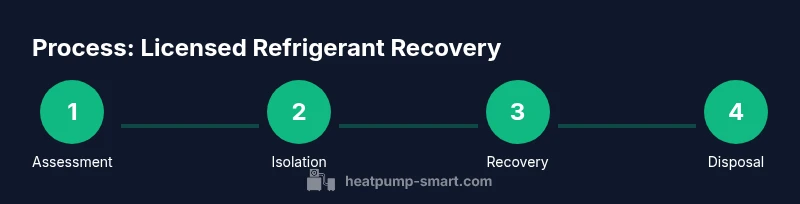
When a licensed technician arrives, you can expect a structured workflow designed to maximize safety and compliance. The process typically begins with a site assessment, confirmation of permits and records, and a safety briefing. Next comes isolation of the affected unit, verification that the system is depressurized, and connection to certified recovery equipment. The technician will monitor the recovery progress, verify that no leaks are present post-recovery, and complete the necessary disposal paperwork. Finally, you’ll receive a diagnostic summary and recommendations for next steps, which may include a post-removal evaluation or system recharge if required by protocol and safety standards.
Recovery equipment and containment basics
Recovery equipment is specialized and designed to minimize refrigerant loss during extraction. A dedicated recovery machine combined with approved recovery cylinders is used to evacuate refrigerant from the system into a containment vessel. The process includes high- and low-pressure monitoring, liquid-vapor separation, and robust seals to prevent leaks during transfer. The technician uses leak detectors and pressure gauges to confirm containment before disconnecting components. PPE and engineering controls protect workers from exposure, while a containment plan protects your home environment from unintended releases.
What technicians look for during recovery
Technicians assess multiple factors to ensure complete and compliant recovery. They verify refrigerant type and charge level, inspect for leaks that could compromise recovery efficiency, and check for system damage that might affect subsequent disposal or recharging. They also review safety protocols—such as lockout-tagout procedures and refrigerant handling regulations—before proceeding. Documentation is a key part of the process, helping you confirm that the service meets local requirements and that the refrigerant has been accounted for in line with disposal or reclamation programs.
Risks of improper handling and common mistakes
Improper refrigerant handling can lead to serious health risks, including exposure to toxic vapors, frostbite from subcooled states, and respiratory irritation. Environmentally, venting refrigerant is illegal and harmful to the atmosphere. Common mistakes include attempting DIY extraction, using incompatible equipment, neglecting proper leak checks, and failing to secure disposal documentation. By relying on a trained professional, you minimize these risks and ensure that the process complies with environmental laws and safety standards. The Heatpump Smart team notes that educated homeowners are better prepared to ask the right questions and verify credentials.
When is refrigerant removal appropriate (end-of-life, retrofit)
Refrigerant removal becomes appropriate during major service events—such as end-of-life heat pumps, component replacement that necessitates refrigerant removal, or system retrofits that require charging with a different refrigerant. In all cases, licensed technicians perform the work to avoid illegal emissions, ensure system integrity, and maintain warranty validity. If a technician identifies a leak alongside removal, criteria for repair or replacement will be evaluated, and recovery will still be conducted under strict protocols.
Disposal and recycling: what happens to recovered refrigerant
Recovered refrigerant is typically either recycled, reclaimed, or disposed of as hazardous waste, depending on its condition and market availability. Recyclable refrigerants undergo processing to remove impurities, enabling reuse in other systems. If reclaim is not feasible, technicians follow disposal guidelines that comply with environmental regulations to prevent atmospheric release. A proper disposal manifest is completed, and associated records are kept for compliance. This careful handling ensures the refrigerant’s lifecycle is respected and environmental impact is minimized.
Next steps: evaluating your heat pump after recovery
After refrigerant removal, homeowners should assess whether the heat pump requires leak repair, component replacement, or a full system recharge. A post-recovery diagnostic can identify causes of leaks, such as seals, connections, or damaged coils. Any decisions about recharging must consider refrigerant type compatibility, system integrity, and warranty implications. Heatpump Smart recommends scheduling a follow-up assessment with a qualified technician to confirm that the system will operate safely and efficiently with the correct refrigerant charge.
Tools & Materials
- Certified refrigerant recovery machine(EPA-approved, designed for the refrigerant type in use)
- Recovery cylinders(Empty, labeled, compliant with local regulations)
- Leak detector(Helps identify injector points and micro leaks)
- Personal protective equipment (PPE)(Safety glasses, gloves, and appropriate protective clothing)
- Documentation kit(Disposal manifests, certification records, and warranty paperwork)
- Manifold gauges or equivalent pressure monitoring(Useful for verification, but not always required with modern recovery equipment)
Steps
Estimated time: 180-240 minutes
- 1
Verify regulatory eligibility
Confirm that a licensed technician will perform the refrigerant removal and verify the necessary permits and registrations for your location. This initial check helps prevent enforcement issues and ensures the correct type of refrigerant is handled.
Tip: Ask for EPA 608 certification proof and proof of disposal arrangements before work begins. - 2
Prepare the site and safety measures
Clear the work area, protect occupants, and establish a safe distance. The technician will isolate the unit and implement lockout-tagout procedures to prevent accidental energization during recovery.
Tip: Ensure pets and children are kept away from the work zone during recovery. - 3
Isolate and depressurize the system
The technician will isolate the heat pump and begin depressurization using calibrated recovery equipment to minimize refrigerant loss. This ensures the system is isolated safely before any disconnections occur.
Tip: Do not attempt to disconnect refrigerant lines without professional guidance. - 4
Connect recovery equipment and begin evacuation
Certified technicians attach recovery equipment to the service ports and initiate the evacuation sequence, capturing refrigerant into approved cylinders and monitoring pressures throughout the process.
Tip: Monitor readings and confirm the absence of leaks before proceeding to disassembly. - 5
Verify containment and complete paperwork
Once evacuation is complete, the technician performs a post-recovery check, documents the recovered amount, and completes disposal or reclamation paperwork as required by regulations.
Tip: Request a copy of the disposal manifest and recovery report for your records. - 6
Post-recovery evaluation
Assess system integrity and determine whether a leak repair or component replacement is needed before any recharge. If recharging is appropriate, ensure the refrigerant type and charge match specifications.
Tip: Do not authorize a recharge without confirming leak repairs or system integrity. - 7
Warranty and compliance review
Review warranty implications and confirm compliance with environmental laws. The technician should provide recommendations and next steps to maintain efficiency and safety.
Tip: Keep all records to demonstrate regulatory compliance and future service eligibility.
Your Questions Answered
Is refrigerant removal legal for homeowners?
In most places, refrigerant removal requires certified professionals (EPA 608) and proper disposal. DIY removal can violate environmental laws and warranties. Always hire a licensed technician.
Refrigerant removal is generally not a DIY task; you need a certified professional and proper disposal records.
What certifications are required to recover refrigerant?
Technicians must hold EPA 608 certification and comply with state and local disposal regulations. They also use approved recovery equipment and provide required documentation.
EPA 608 certification is the standard requirement for refrigerant recovery.
What happens to the refrigerant after recovery?
Recovered refrigerant is either recycled, reclaimed, or disposed of as hazardous waste, depending on its condition and regulatory requirements. Documentation is provided for accountability.
Recovered refrigerant is recycled or disposed of according to environmental rules, with paperwork to prove it.
Can a heat pump be recharged after refrigerant removal?
Recharging is possible if the system is leak-free and components are intact. The exact refrigerant type and charge must match system specifications and safety standards.
Recharge is possible only after leak repair and system inspection; the right refrigerant type is essential.
What are the risks of attempting refrigerant removal yourself?
Risks include exposure to refrigerant fumes, burns from cold surfaces, environmental harm, and potential legal penalties for improper venting or disposal.
DIY removal risks include exposure and potential legal penalties for improper handling.
Watch Video
Top Takeaways
- Hire licensed technicians for refrigerant recovery
- Know the regulatory framework before removal
- Expect documentation and disposal compliance
- Plan for post-removal assessment and possible recharge