How to tell if your heat pump is working: a step-by-step guide
A practical, step-by-step guide to verify your heat pump is operating correctly, with tests for airflow, temperatures, controls, and safety. Includes maintenance tips and expert guidance from Heatpump Smart.


Learn how to tell if heat pump is working by checking sound, airflow, and temperature, plus thermostat signals and outdoor unit conditions. This practical guide covers safe DIY checks you can perform before calling a technician, helping you identify when it’s time for service. Follow the steps below for reliable results. This primer uses Heatpump Smart guidance.
Quick reality check: what does a working heat pump look like?
A healthy heat pump delivers steady heating or cooling with minimal noise and stable indoor comfort. You should feel a gentle, continuous airflow from supply vents and notice that room temperatures track the thermostat setting rather than fluctuating wildly. The outdoor unit should cycle on and off smoothly, without grinding noises, burning smells, or excessive vibration. According to Heatpump Smart, a well-maintained system maintains performance across a wide range of outdoor temperatures and uses auxiliary heat only when needed. To determine if your unit is performing as intended, start with simple, safe checks that don’t require special tools. This article walks you through practical tests to distinguish normal operation from potential issues.
Listen for the right sounds and feel for consistent airflow
Noise is a clue: a working heat pump should emit a soft hum or gentle whir, not rattling or screeching. If you hear banging, grinding, or buzzing from the outdoor unit, or you notice weak or uneven airflow indoors, something may be off. Check that all registers are open and unobstructed, and that the indoor filter is clean. A clogged air path forces the system to work harder and can trigger premature wear. If the sound profile changes with outdoor temperature, note the pattern because it can indicate refrigerant flow or compressor concerns. Regular checks help flag issues early and minimize surprise breakdowns.
Check heat output and temperature differences
A fundamental test is to compare indoor air temperature at a supply vent with the thermostat setting. In heating mode, you should feel warm air near vents within a few minutes of the system turning on. In cooling mode, you should notice a tangible drop in room temperature. Measure or estimate the temperature difference using a thermometer or the thermostat readout. If the delta is smaller than expected, there may be airflow restrictions, refrigerant problems, or a failing compressor. Use these observations to decide whether to continue DIY checks or call a professional.
Thermostats and controls sanity check
The thermostat is the brain of the system. Verify it is set to the correct mode (heat, cool, auto) and that fan operation is as desired. If a smart thermostat is installed, confirm that schedule and occupancy features aren’t overriding manual settings. Check for error codes on the display and clear any that may appear. If the thermostat reads unusually high or low relative to room temperatures, there could be a sensor issue or wiring fault. Correcting thermostat configuration often resolves many reliability concerns.
Visual cues: ice, frost, and coil cleanliness
Ice buildup on outdoor coils is not always a sure sign of a problem, especially in cold climates or de-icing cycles, but persistent frost indicates a potential issue with airflow or refrigerant pressure. Inspect the outdoor unit for leaves, dirt, and debris that block airflow; cleaning around the unit improves efficiency. Inside, ensure that supply ducts are clean and sealed. Dirty or blocked coils reduce heat transfer and force the system to work harder, potentially shortening equipment life.
Electrical indicators and safety reminders
Electrical issues are a common cause of poor performance. Check that breakers and fuses are intact and that wiring connections look secure at the access panels (only if you’re comfortable and powered down). Do not touch live conductors. If the circuit trips repeatedly, or you notice burning smells or overheating, shut the system off and contact a qualified technician. Regular inspections by a licensed pro help prevent dangerous conditions and ensure electrical integrity.
Seasonal considerations and mode differences
Heat pumps behave differently across seasons. In milder weather, you should feel comfortable temperatures with efficient operation and minimal auxiliary heat. In extreme cold, a portion of heating may come from auxiliary or backup heat—this is normal, but excessive reliance on auxiliary heat is a sign of reduced efficiency or calibration issues. Understanding mode differences helps you interpret symptoms accurately and avoid unnecessary maintenance calls.
Common fault signs and what they mean
If you notice short cycling, weak heating or cooling, unusual odors, or high energy bills without obvious cause, something may be wrong. Short cycling often points to airflow restrictions or poor thermostat calibration. A persistent lack of heat or cold air could indicate refrigerant problems, a faulty compressor, or dirty coils. Document dates and readings to share with a technician, which speeds up diagnosis and repair.
Safe DIY checks you can perform
Begin with basic, non-invasive steps: replace dirty filters, ensure registers are open, and confirm thermostat settings. Listen for cycling patterns and observe indoor temperatures. Avoid opening electrical panels or handling refrigerant lines unless you’re trained. These precautions protect you while you gather useful clues about system health.
Maintenance to prolong heat pump life
Schedule seasonal maintenance to clean coils, check refrigerant levels, test defrost cycles, and verify thermostat responses. A well-maintained system runs more efficiently, reduces energy costs, and minimizes unexpected failures. Keep a simple log of readings and service visits to track performance over time.
Tools & Materials
- Digital thermometer or thermostat temperature sensor(Use to compare supply vent temp with thermostat reading)
- Infrared thermometer (optional)(Quick surface temp checks on coils)
- Safety gloves and goggles(Protect hands and eyes during inspection)
- Screwdrivers (Phillips and flat-head)(Access panels safely if you need to inspect wiring)
- Multimeter (optional for basic checks)(Advanced diagnostics only if you know how to use it)
- Brush/coil cleaner (low-pressure)(Keep outdoor coils clean; not required for initial checks)
- Flashlight(Illuminate dark corners and electrical panels)
- Notepad and pen(Record readings and observations)
- Ladder or step stool(Access outdoor unit safely)
Steps
Estimated time: 60-90 minutes
- 1
Power down safety
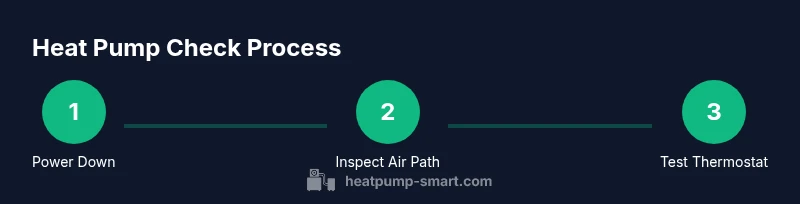
Turn off the outdoor disconnect and switch off any indoor equipment that could be affected by a test. This reduces the risk of electric shock while you inspect panels and connections. Why: Working with powered components is dangerous; safety first preserves both you and your equipment.
Tip: Double-check the main breaker before touching any wires. - 2
Inspect and clean air path
Check the indoor filter and replace or clean it if dirty. Ensure supply vents are open and unobstructed. Look for debris around the indoor blower housing and clear as needed.
Tip: A clogged filter reduces air flow and makes the system work harder. - 3
Inspect outdoor coil and area
Visually inspect the outdoor unit for dirt, leaves, or ice buildup. Remove debris carefully and inspect for exposed coils that could hinder heat transfer.
Tip: Keep at least 1 meter of clearance around the unit for efficient operation. - 4
Check airflow at vents
With the system powered, feel the air next to a supply vent. Compare temperature rise (or fall in cooling mode) to the thermostat setting. If air feels weak or inconsistent, document the readings.
Tip: If you notice touchpoints that are uncomfortably hot, pause and assess safety. - 5
Test thermostat and mode controls
Set the thermostat to heat or cool, as appropriate. Ensure fan is on Auto. If you use a smart thermostat, confirm schedules aren’t interfering with manual settings.
Tip: A wrong mode or a mis-set schedule can mimic a fault. - 6
Cycle the system and observe
Power the unit back on and listen for normal cycling. Note any short cycles, prolonged runtimes, or unusual noises. Record how quickly the system responds to setting changes.
Tip: Long or irregular cycles often signal airflow or refrigerant issues. - 7
Check basic electrical indicators
If you’re trained to do so safely, look for warm wires or scorched insulation near access panels. Reset breakers if needed and ensure connections look intact.
Tip: If anything smells burnt or looks damaged, shut down immediately and contact a pro. - 8
Record results and decide next steps
Document temperature readings, sounds, and cycle patterns. If results are inconclusive or readings deviate from expectations, plan a professional evaluation.
Tip: Keep a simple log to help technicians diagnose faster.
Your Questions Answered
What are the most common signs that my heat pump is failing?
Common signs include short cycling, weak heating or cooling, unusual noises, ice buildup on the outdoor coil, and increasing energy bills without change in usage. If these occur, document observations and consider a professional inspection to diagnose refrigerant, airflow, or electrical issues.
If you notice short cycling, weak performance, noisy operation, or rising bills, schedule a professional inspection to diagnose potential refrigerant, airflow, or electrical issues.
Can I safely test my heat pump without a professional?
Yes, you can perform basic checks such as ensuring air filters are clean, registers are open, thermostat settings are correct, and listening for normal cycling. Avoid opening electrical panels or refrigerant lines and shut off power if you notice anything dangerous.
You can check airflow, filter cleanliness, and thermostat settings safely, but avoid touching live wiring or refrigerant lines.
How often should I replace air filters to keep a heat pump working well?
Typically every 1-3 months, depending on usage, tenant load, and air quality. A clean filter improves airflow, efficiency, and indoor comfort.
Change filters every 1-3 months based on usage and air quality.
What should I do if my heat pump makes strange noises?
Identify the sound type (hiss, rattle, squeal) and whether it occurs with cycling. Rattles or banging may indicate loose components; hissing can point to refrigerant or airflow issues. If noises persist, contact a licensed technician.
If you hear unusual noises during operation, note the sound and cycle pattern and call a pro if it continues.
Is frost on outdoor coils normal in winter?
Frost in cold weather can be normal during defrost cycles, but persistent frost or ice indicates reduced airflow or refrigerant problems. Monitor and consult a pro if frost remains.
Frost during cold snaps can be normal, but persistent ice needs professional evaluation.
Should I turn off the heat pump if it stops producing heat?
First check basic settings and airflow. If no improvement, stop using it and contact a professional; continuing operation can cause further damage.
If it stops heating and basic checks don’t help, shut it down and call a pro.
Watch Video
Top Takeaways
- Inspect airflow and temperature differences to confirm operation.
- Verify thermostat settings and mode alignment.
- Document readings to improve troubleshooting and maintenance.
- Call a pro for persistent faults or unsafe conditions.