Samsung Heat Pump Repair: A Step-by-Step Guide for Homeowners
Learn how to diagnose and repair common Samsung heat pump issues with a practical, safety-focused step-by-step guide. Includes tools, troubleshooting workflow, and maintenance tips to optimize efficiency and lifespan.


Learn how to diagnose and fix common issues in samsung heat pump repair. This guide covers safety checks, routine maintenance, troubleshooting error codes, and when to call a professional. You’ll need basic tools, access to the outdoor unit, and a user manual for your model. Start with safety, then verify airflow, refrigerant connections, and control settings.
Understanding Samsung Heat Pump Repair
In the realm of home comfort, samsung heat pump repair involves diagnosing and restoring performance in a system that combines an outdoor compressor/condenser with an indoor air handler. Samsung models vary by series, but most units share core components: an outdoor condenser, an indoor air handler, an inverter-driven compressor, a reversing valve, and a smart or traditional thermostat control. Repairs, when feasible, focus on electrical connections, airflow, sensor accuracy, ice buildup, and refrigerant integrity. This guide helps homeowners and property managers approach common faults safely and systematically, so you can decide whether a fix is DIY-friendly or requires a licensed technician. The goal is energy efficiency, reliable heating and cooling, and prolonging equipment life while protecting warranties and safety.
Common Symptoms That Signal Repair Needs
If your samsung heat pump repair is overdue, you may notice reduced heating or cooling, frequent cycling, or unusually high energy bills. Listen for unusual noises like grinding or squealing from the outdoor unit, and check for ice on the outdoor coil. Overflowing condensate or water leaks around the indoor unit can also point to drainage or airflow problems. Pay attention to uneven room temperatures and thermostat drift, which often indicate control or sensor issues. Understanding these symptoms helps you triage problems before extensive downtime or expensive repairs occur.
Safety First: Power Down and Lockout Procedures
Safety is the foundation of any repair work. Before touching the system, shut off power at the breaker and lockout the circuit to prevent accidental restart. If your unit has a fused disconnect, switch it off and remove the fuse to prevent backfeed. Use a non-contact voltage tester to confirm the outdoor unit and indoor cabinets are de-energized. Never work on live electrical components, and wear eye protection and gloves when handling electrical connections. If you’re unsure about wiring or refrigerant handling, defer to a licensed technician.
Diagnosing Airflow and Filtration Issues
Airflow problems are a leading cause of reduced efficiency and comfort in heat pumps. Start by inspecting the air filter—replace if dirty or restricted. Check the blower motor and belts for wear, and ensure the indoor grille and ductwork are unobstructed. Inadequate airflow can mimic refrigerant or sensor faults, so verify that the air handler coils are clean and free of frost. For homes with poor duct design, consider a professional assessment to optimize returns and supply paths. Improving airflow often yields immediate comfort gains and lower energy use.
Electrical Checks and Thermostat Troubleshooting
Electrical gremlins and thermostat misconfigurations are common culprits. Inspect all wiring connections at the outdoor unit, contactor, and control board for signs of arcing, corrosion, or loose terminals. Verify thermostat settings, confirm that the thermostat is communicating with the outdoor unit, and ensure C-wire continuity for stable power. If a control board or relay shows signs of damage, professional replacement is usually required. Remember that improper wiring can damage the compressor or void warranties.
Refrigerant and Outdoor Unit Considerations
Refrigerant leaks are a safety concern and typically require a licensed HVAC technician. Look for oily residue around joints, refrigerant lines, and the service port caps. Do not attempt to seal leaks or recharge refrigerant yourself. Outdoor unit performance can be affected by debris, snow buildup, or restricted airflow from shrubs. Regular cleaning around the outdoor unit and ensuring unobstructed airflow improves efficiency and reduces the risk of premature failures. A professional refrigerant check is necessary if frost grows on the evaporator coil or if you notice a sudden temperature drop in cooling mode.
Interpreting Samsung-Specific Error Codes
Samsung heat pumps often display error codes on the thermostat or the system’s display. While codes vary by model, most indicate issues with sensors, communication between components, or refrigerant status. Always refer to the user manual for your exact code definitions. If you encounter a fault such as sensor mismatch or communication failure, perform a basic reset by powering the system down for a few minutes and restarting. If the code persists, document the exact code, power cycle results, and call a technician with the model number.
Step-by-Step Troubleshooting Workflow
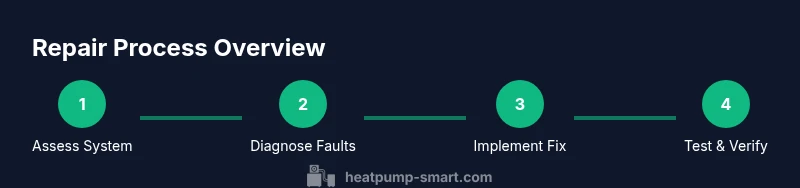
A structured workflow helps you stay organized while diagnosing a samsung heat pump repair. Start with basic safety, then verify power and thermostat communication, followed by a thorough airflow and electrical check. If problems persist, inspect outdoor unit cleanliness, inspect refrigerant lines for leaks, and finally evaluate the control board and sensor readings. Keep a log of observations and test results to guide any professional visit and warranty considerations.
When to Call a Pro and What to Expect
Not all issues are DIY-friendly. If you encounter refrigerant concerns, burnt wiring, a failed contactor, or recurring error codes after basic troubleshooting, contact a licensed HVAC technician. Expect an on-site diagnosis, a system performance test, and a written repair proposal with parts and labor estimates. For Samsung units under warranty, provide the model number, serial, and proof of purchase to ensure coverage. Regular maintenance visits can extend life and prevent costly breakdowns.
Maintenance Tips to Extend Lifespan
Preventive maintenance is the best defense against unexpected samsung heat pump repair. Schedule seasonal filter changes and coil cleaning, keep outdoor clearance with a 2-3 foot radius, and verify thermostat calibration annually. Consider scheduling a professional inspection every 12 months to catch refrigerant or electrical issues before they become major problems. Investing in good air sealing and insulation also reduces thermal load, which supports longer equipment life and lower energy costs.
DIY vs Warranty and Documentation
Always check warranty terms before attempting repairs. Some DIY steps do not void warranties, but unauthorized refrigerant handling or component replacement can. Maintain records of maintenance, inspections, and any parts replaced during DIY work. When in doubt, consult Heatpump Smart’s guidance and reach out to the original equipment manufacturer for model-specific restrictions. Documentation helps manage warranties and simplifies future troubleshooting.
Replacement vs Repair: Decision Framework for Samsung Heat Pumps
If the system is older than its expected lifespan or if repair costs approach or exceed 50% of replacement price, replacement may be more economical. Consider energy efficiency improvements and available rebates when evaluating a new unit. Compare total cost of ownership, expected load changes, and your home’s insulation quality. A professional can provide a cost-benefit analysis to help homeowners make an informed choice.
Tools & Materials
- Multimeter(To test electrical circuits and sensor signals)
- Screwdriver set (Phillips and flat-head)(For panel removal and terminal access)
- Non-contact voltage tester(Quickly verify de-energized components)
- Flashlight/headlamp(Illuminates tight corners inside the cabinets)
- Insulated gloves(Added protection when handling electrical connections)
- Pin or electronics cleaner(Clean terminals; avoid residue buildup)
- Duct cleaning brush/cloth(Light cleaning for filters and grilles)
Steps
Estimated time: 60-150 minutes
- 1
Prepare the workspace and safety gear
Before touching any components, power down the unit at the breaker and verify de-energization. Gather your manual and model numbers, then wear protective gloves and eye protection. Clear the area of obstructions and ensure children and pets are away from the work zone.
Tip: Document the model and serial numbers for warranty checks and future service. - 2
Verify power, thermostat, and communication
Check that the outdoor unit and indoor air handler are receiving correct signals. Test the thermostat wiring for continuity, confirm a common (C) wire is present, and ensure the thermostat is communicating with the outdoor unit. A loose connection is a common cause of intermittent failures.
Tip: If you see a non-responsive display, reset the thermostat while the system is powered down. - 3
Inspect airflow paths and indoor filtration
Remove and inspect the air filter; replace if dirty. Check the blower housing, belts, and the indoor coil for frost or debris. Ensure return and supply ducts are clear of obstructions and that vents are not blocked by furniture.
Tip: A clean filter can improve airflow within minutes and reduce strain on the compressor. - 4
Evaluate outdoor unit cleanliness and clearance
Inspect the outdoor unit for leaves, dirt, or snow blocking the coils. Clear a minimum 2–3 feet of clearance around the unit, remove debris, and gently vacuum the fins. A clean condenser improves heat exchange and efficiency.
Tip: Never hit the fins with a hard object; use a soft brush to avoid damage. - 5
Check electrical connections and contactors
Open the service panel and inspect wire terminals for looseness, corrosion, or burn marks. Test the contactor coil with the multimeter and listen for actuator clicks when the system is commanded on and off.
Tip: A sticky contactor is a common failure point and often inexpensive to replace. - 6
Assess refrigerant lines and sensor readings
Do not attempt refrigerant charging or leak sealing. Look for oily residues that suggest leaks, and verify sensor readings at the indoor and outdoor units. If a refrigerant issue is suspected, call a licensed tech.
Tip: Handling refrigerant requires certification in many jurisdictions.
Your Questions Answered
Is samsung heat pump repair safe for a DIY homeowner?
DIY repair can be safe for basic tasks like filter replacement and electrical checks if you follow safety steps and stay within your comfort zone. Avoid refrigerant handling or component replacement without proper certification. When in doubt, consult a professional.
You can handle simple checks safely, but avoid refrigerant work and complex wiring.
What are common signs a samsung heat pump needs repair?
Look for reduced heating or cooling, unusual noises, ice buildup on coils, poor airflow, frequent cycling, or rising energy bills. Note any error codes on the thermostat or unit display and document symptoms for a tech visit.
Watch for less warmth, strange sounds, and frost on outdoor coils.
Do I need special tools for diagnosing problems?
Basic tools like a multimeter and a screwdriver set are often sufficient for initial checks. Specialized refrigerant equipment is not recommended for DIY use and should be handled by licensed professionals.
A few common tools help with safe, early checks.
How long does a typical samsung heat pump repair take?
Repair duration varies by issue. Simple filter or electrical fixes may be resolved in a couple of hours, while refrigerant leaks or control board replacements can require a full service visit and parts replacement.
It depends on the fault; some fixes take just a few hours, others longer.
When should I consider replacement rather than repair?
If the unit is old, repair costs approach half the price of a new unit, or if the efficiency remains poor after fixes, replacement may be wiser for long-term savings and reliability.
If repair costs are high or the unit is aging, replacement might be the better option.
Are Samsung heat pumps covered by warranty for repairs?
Warranty coverage depends on model, age, and maintenance history. Contact your installer or Samsung support with your model number, serial, and purchase date to confirm eligibility and any required servicing.
Check the warranty terms and have your model details ready when you call.
Watch Video
Top Takeaways
- Identify symptoms early to prevent further damage
- Power down safely before any inspection
- Check airflow, then electricals, to isolate faults quickly
- Do not attempt refrigerant work yourself; call a licensed tech
- Keep records to support warranties and future repairs