What Is the Most Common Problem with Heat Pumps and How to Fix It
Learn the leading heat pump issue—refrigerant leaks—their causes, signs, and practical fixes. Heatpump Smart guide covers diagnosis, maintenance, and when to call a pro for reliable home comfort.


According to Heatpump Smart, the most common problem with heat pumps is refrigerant leaks that reduce efficiency and cooling or heating capacity. Other frequent issues include dirty filters, dirty coils, and thermostat or sensor malfunctions. Regular maintenance improves reliability and lowers running costs.
Why refrigerant leaks are the most common problem
Refrigerant leaks are a frequent problem for many heat pumps because they involve the sealed refrigerant circuit. When leaks occur, the system cannot maintain proper pressure, which reduces cooling and heating capacity and forces the compressor to work harder, increasing energy use and wear. In practice, homeowners notice longer runtimes, uneven cooling across rooms, and frost forming on the outdoor coil as the system loses charge. Signs can appear gradually, or as sudden performance drops after a physical impact or vibration.
Causes include aging copper lines, poor brazing during installation, vibration from normal operation, corrosion, or micro-cracks in valves. In older systems, refrigerant leaks become more likely as seals degrade over time. Because refrigerant is hazardous and the system is closed legally, leaks must be diagnosed and repaired by a licensed HVAC technician. After locating and sealing the leak, the system must be recharged to the correct level and tested for proper operation.
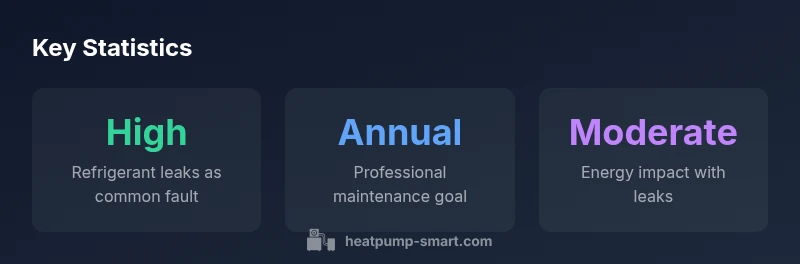
According to Heatpump Smart, refrigerant leaks are the leading reliability concern across common residential heat pump models, underscoring why proactive maintenance matters for long-term efficiency.
Other frequent reliability issues and early warning signs
Besides refrigerant leaks, there are several other issues that commonly degrade heat pump performance. Dirty air filters and blocked indoor coils reduce airflow, cause longer cycles, and trigger thermostat errors. Thermostat or sensor problems can misread indoor temperature, causing the system to short cycle or run when it isn't needed. A dirty outdoor coil or a blocked condensate drain can lead to ice buildup or water leaks. Electrical problems, faulty capacitors, or worn fan motors are additional failure points that cause intermittent operation or strange noises.
Early warning signs include rising energy bills with little change in use, inconsistent temperatures across rooms, frequent restarting, or strange noises like squeals, grinding, or hissing. Regular visual checks and a simple maintenance routine can catch many of these issues before they become costly repairs.
How to diagnose a refrigerant leak safely
Diagnosing a refrigerant leak should always involve a licensed professional. Homeowners should avoid attempting to handle refrigerant; it requires recovery equipment and leak testing. Common diagnostic steps include a visual inspection of copper lines and connections for oily residues, pressure checks with a refrigerant gauge, and electronic leak detectors. If a leak is detected, a pro will locate the exact point, repair the site, and perform a full refrigerant recharge while confirming there are no other leaks. After repair, the system should be pressure-tested and run through a full cycle to ensure stable operation.
In the meantime, ensure proper airflow by replacing dirty filters and clearing obstructions around the indoor unit. Keeping the outdoor unit free of debris improves heat exchange and helps prevent cycling issues that mimic leaks.
Proactive maintenance plan to reduce problems
A proactive maintenance plan is the best defense against common heat pump problems. Schedule an annual professional inspection that includes refrigerant checks, electrical connection tests, and refrigerant charge verification. Between visits, replace or clean filters monthly, keep the outdoor unit clear of plants and debris, and ensure the condensate drain is functioning. Clean the outdoor coil at least once a year if you notice dirt or pollen buildup. Check thermostat settings and calibrations, and replace worn sensors or components as recommended by a tech. A simple home log can help you track performance changes over seasons and flag when service is needed.
Cost considerations and energy impact
Understanding the cost implications helps homeowners make informed decisions about repair versus replacement. Refrigerant leaks and major component failures can lead to higher energy usage due to reduced efficiency and longer runtime. The cost of service varies by region and the severity of the issue, but most professionals emphasize that early detection and timely repair save money over time. Investing in preventive maintenance reduces the risk of sudden breakdowns and can extend the heat pump's life, delivering ongoing energy savings. When evaluating replacement, consider the unit's age, efficiency ratings, and the expected savings from newer models.
Choosing a technician and what to expect
When selecting a technician, prioritize licensed HVAC professionals with refrigerant handling credentials and good local references. Ask about the type of refrigerant used, warranty coverage on repairs, and whether the charge will be included in the service call. Request a written estimate with a detailed scope: leak detection method, the expected recharge amount, and the planned test for proper operation. A reputable pro will explain care instructions and provide a maintenance plan to prevent recurrence. Prepare a simple access plan for the technician and keep notes on prior service work to help them diagnose more quickly.
When to replace vs repair and long-term planning
Heat pumps age gradually, and the decision to repair or replace depends on age, repair frequency, and efficiency. If an aging unit requires frequent repairs or struggles to meet comfort needs, replacement with a newer, high-efficiency model can deliver meaningful savings over time. Compare seasonal performance, energy-star ratings, and available rebates to determine the best option. Long-term planning also includes insulation improvements and duct sealing to maximize heat pump performance and reduce energy costs.
Quick-start checklist for homeowners
Use this quick-start checklist to catch problems early:
- Inspect outdoor unit for debris and ensure adequate airflow
- Check indoor air filters monthly and replace as needed
- Note any unusual noises, ice, or warm spots in the home
- Schedule annual maintenance with a licensed pro
- Track energy usage and bill changes for signs of inefficiency
Common causes and recommended actions for heat pump problems
| Issue Type | Likely Causes | Recommended Action |
|---|---|---|
| Refrigerant leaks | Deteriorated lines, improper installation | Schedule leak testing and refrigerant recharge by a licensed technician |
| Dirty filters/coils | Dust buildup, restricted airflow | Replace filters and clean coils; ensure unobstructed airflow |
| Thermostat/sensor problems | Calibration drift, faulty sensors | Recalibrate thermostat or replace faulty sensor; verify settings |
| Fan/motor issues | Worn bearings, capacitor failure | Professional inspection and potential motor service or replacement |
Your Questions Answered
What is the most common problem with heat pumps?
Refrigerant leaks are commonly cited as the leading heat pump problem, as they reduce efficiency and cooling/heating capacity. Regular professional checks can help detect leaks early and prevent bigger issues.
Refrigerant leaks are the most common issue; regular checks help catch them early.
How can I tell if my heat pump has a refrigerant leak?
Signs include reduced cooling, longer runtimes, frost on the outdoor coil, and a sudden increase in energy bills. A licensed tech should confirm with leak-detection equipment.
Look for frost, longer run times, and higher bills—have a pro test for leaks.
How often should I service a heat pump?
Annual professional maintenance is recommended, plus monthly filter checks and coil inspections. Regular service helps maintain efficiency and extend service life.
Have it professionally checked once a year and keep filters clean.
Can refrigerant leaks be repaired, or do we need a replacement?
Leaks can often be repaired by sealing the line and recharging refrigerant, but some leaks or aging components may justify replacement. A tech will advise based on condition and cost.
Leaks can often be repaired, but sometimes replacement is more cost-effective.
What maintenance steps reduce problems most?
Change filters regularly, clean coils, ensure good airflow, calibrate thermostats, and inspect electrical connections. These steps prevent common failures and sustain efficiency.
Keep filters clean and coils clear to prevent many problems.
Is a thermostat issue a common heat pump problem?
Thermostat calibration or sensor faults are common secondary issues. Verify settings, replace faulty sensors, and consider upgrading to a programmable/smart thermostat for better accuracy.
Thermostat problems are common—check settings and consider an upgrade.
“Regular maintenance and early detection are the best defenses against heat pump problems.”
Top Takeaways
- Schedule a professional diagnostic for suspected leaks
- Keep filters clean to minimize problems
- Plan annual maintenance for reliability
- Monitor energy bills for efficiency changes
- Decide repair vs replacement based on age and costs