When to Use Emergency Heat on a Heat Pump
Learn when to engage emergency heat on a heat pump, how it differs from normal operation, the energy cost impact, safety considerations, and practical steps to switch back to efficient cooling/heating.


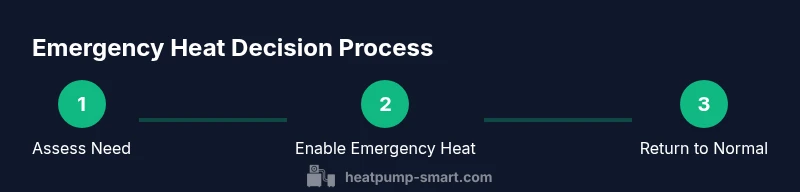
Emergency heat on a heat pump should be used only when the outdoor temperature is very cold or when the heat pump's primary compressor cannot meet demand. In this mode, electric resistance heat provides backup, which preserves comfort but increases energy costs. According to Heatpump Smart, switch back to normal heating as soon as temperatures rise and the heat pump can operate efficiently.
What emergency heat is and why it exists
Emergency heat is a built-in backup heating mode for heat pumps. When the outdoor conditions are extremely cold or when the main compressor struggles to keep up with demand, the system activates electric resistance elements to supply heat. This ensures your home stays warm even if the heat pump can’t meet the full load. Heatpump Smart notes that this feature is designed as a safety net, not a primary heating strategy. Using emergency heat conserves comfort during temporary cold snaps or equipment issues, but it is significantly less efficient than normal heat pump operation and will raise energy costs if used for extended periods. The Heatpump Smart team emphasizes that emergency heat should be a short-term solution while you troubleshoot the underlying cause.
When you see the thermostat label “Emergency Heat” or “Auxiliary Heat,” understand that you are bypassing the compressor and relying on electrical resistance to generate heat. This mode is most appropriate when outside temperatures fall outside the system’s efficient operating range or when the system detects a fault that prevents compressor cycling. Regularly cycling in this mode for days on end can erode comfort in budget-sensitive homes and should prompt a service call.
When to use emergency heat: situations and signs
There are several scenarios where emergency heat is justified: extreme cold spells that reduce outdoor coil efficiency, a temporary compressor fault, or a malfunctioning defrost cycle that prevents normal heating. If your thermostat or system display shows an error code related to the outdoor unit, emergency heat often becomes the practical option until a technician can diagnose the issue. In addition, if you notice frost buildup on the outdoor coil that persists beyond a routine defrost cycle, emergency heat may provide needed warmth while you plan service. The Heatpump Smart analysis suggests monitoring indoor temperature stability during these periods and avoiding frequent toggling between modes, which can strain electrical components. It’s essential to document dates, temperatures, and any error codes to share with your technician.
Watch for symptom signs like rapidly dropping indoor temperatures, unusual noises from the outdoor unit, or longer cycle times. If the home struggles to stay within the desired comfort range, emergency heat becomes a temporary bridge rather than a long-term fix. By recognizing these signs early, you can minimize energy waste and prevent unnecessary strain on the system.
How to safely switch to emergency heat: step-by-step guidance
Switching to emergency heat safely involves confirming you’re in the correct thermostat mode and understanding the duration you plan to use it. Start by locating the heat mode on your thermostat and selecting Emergency Heat or Aux Heat, depending on the label. Avoid manually bypassing safety features or altering wiring; this should always be done through the thermostat interface. Once activated, observe the indoor comfort level and ensure airflow is not restricted. If your system supports a temporary override, set a reasonable timer to avoid prolonged operation. After conditions improve, revert to the standard heat pump mode to restore efficiency. Heatpump Smart recommends logging outside temperatures, indoor setpoints, and running hours to gauge when it’s appropriate to switch back.
Understanding energy use and cost impact
Running emergency heat relies on electric resistance heat, which is substantially less efficient than compressor-driven heat. As a result, energy use can spike quickly, especially during extended cold spells. Homeowners should expect higher utility bills during periods of sustained Emergency Heat operation. However, emergency heat provides reliable warmth, a critical factor for safety and comfort in very cold climates. Energy savings and comfort are not mutually exclusive; use emergency heat sparingly, and plan a swift return to compressor operation as soon as practical. For budgeting, homeowners can compare typical monthly energy consumption with Emergency Heat enabled versus normal operation to gauge potential impacts. Heatpump Smart’s guidance emphasizes timing and duration to minimize unnecessary costs while maintaining safety and comfort.
Emergency heat vs auxiliary heat vs backup electric heat
In many setups, Emergency Heat and Auxiliary Heat describe different layers of back-up heating. The emergency heat mode typically bypasses the compressor entirely, using electric resistance as the sole heat source. Auxiliary heat works in tandem with the compressor, providing additional heat during rapid temperature drops or cool-down periods. Some thermostats label both options differently, which can be confusing. The key distinction is that emergency heat is the least efficient option and should be used only when the compressor cannot meet demand. Understanding your equipment’s terminology helps you make informed decisions during cold snaps. Heatpump Smart notes that reading the user manual for your specific model is essential, as labels and behavior can vary by brand and firmware.
Common myths and misconceptions
A common myth is that emergency heat will damage a heat pump if used too long. In reality, most systems are designed to handle temporary emergency heat without harm, provided you return to normal mode after conditions improve. Another misconception is that emergency heat is always more expensive, which can be true, but in some cases, it may be necessary to protect the system and maintain comfort during extreme weather. A further misconception is that emergency heat will heat a home instantly; actual warm-up depends on insulation, air leakage, and the outdoor coil’s performance. Heatpump Smart encourages understanding your system’s efficiency curves and avoiding constant switching, which can wear mechanical components over time.
Maintenance tips to ensure reliable emergency heat
Maintenance helps ensure emergency heat works when needed. Regularly clean and clear the outdoor unit of debris, snow, or ice, and check that the coil is free of obstruction. Schedule annual service to verify refrigerant levels, defrosters, and thermostat operation. If you notice persistent errors or degraded heat delivery, call a qualified technician promptly. Keeping airflow unobstructed, changing or cleaning air filters, and verifying thermostat firmware updates are simple steps that can reduce the risk of relying on emergency heat during critical cold periods.
Practical steps for cold weather days
Plan ahead for cold days by ensuring your home is well insulated and doors/windows seal tight. Pre-warm the interior by setting the thermostat a few degrees higher than usual a few hours before peak cold periods, rather than turning to emergency heat at the last moment. Maintain a consistent indoor temperature to minimize cycling, which improves comfort and reduces wear. If possible, schedule preventive maintenance before the cold season to ensure the heat pump and emergency heat components are functioning correctly. Heatpump Smart recommends keeping spare batteries for smart thermostats and having emergency contact information ready for service calls.
Finally, monitor your energy usage during cold days to identify changes in consumption when Emergency Heat is active. This awareness helps you balance comfort with affordability and plan for more energy-efficient upgrades later.
Safety and warranty considerations
Using emergency heat correctly should not void warranties if performed according to manufacturer instructions and thermostat settings. The key is to follow the user manual and avoid any unauthorized electrical modifications. If you suspect a fault, contact a licensed technician; improper maintenance or tampering can complicate warranty coverage. If you live in a climate with frequent severe cold, consider upgrading to a higher-efficiency heat pump or adding insulation and weatherstripping to reduce overall reliance on emergency heat. Heatpump Smart advises homeowners to document service visits and keep a copy of model numbers, error codes, and thermostat settings for future reference.
Tools & Materials
- Thermostat with emergency heat control(Ensure it can switch to Emergency Heat or Aux Heat via the control interface)
- Heat pump owner’s manual(Model-specific guidance for labels and modes)
- Access to outdoor unit area(Clear of debris, snow, and vegetation; adequate clearance for airflow)
- Temperature and usage log(Optional log to track temps, setpoints, run times)
- Smartphone or tablet with thermostat app(Optional for remote monitoring and quick switching)
Steps
Estimated time: 15-30 minutes
- 1
Verify the situation
Check indoor comfort levels, outdoor temperature, and any thermostat error codes. Confirm that the current load cannot be met by the compressor and that emergency heat is the appropriate temporary solution. If in doubt, consult the owner’s manual or contact a technician.
Tip: Document the temperature and any error codes before changing modes. - 2
Switch to Emergency Heat
Navigate to the thermostat and select Emergency Heat or Aux Heat as appropriate for your model. Do not bypass safety protections; use the thermostat interface to enable the backup heat.
Tip: Set a conservative time limit if your thermostat supports it, to prevent prolonged use. - 3
Monitor performance
Observe indoor temperatures and the system’s response over the next 1–2 hours. Listen for unusual noises and check that airflow remains unobstructed.
Tip: If indoor temps don’t stabilize, contact your technician rather than relying on longer Emergency Heat operation. - 4
Decide when to switch back
When outdoor conditions improve and the compressor can meet the heating load again, switch the system back to normal heat pump operation to restore efficiency.
Tip: Avoid rapid toggling; wait until stable performance is observed for several hours. - 5
Assess energy use and comfort
Compare energy use with Emergency Heat on versus normal operation and adjust insulation, air sealing, and thermostat setpoints to minimize future reliance on backup heat.
Tip: Consider a seasonal efficiency check with a technician before winter peaks. - 6
Document and plan next steps
Record dates, temperatures, and any service actions. Use this information to plan preventive maintenance and potential system upgrades.
Tip: Maintaining a simple log helps you catch ongoing issues early.
Your Questions Answered
What is emergency heat on a heat pump?
Emergency heat is a backup heating mode that uses electric resistance to provide warmth when the heat pump’s compressor cannot meet the indoor load. It ensures comfort during extreme conditions or when there is a fault requiring temporary protection.
Emergency heat is the backup heat your system uses when the main compressor can’t meet the demand, ensuring you stay warm during extreme conditions.
Can I run emergency heat all winter?
Running emergency heat all winter is not recommended due to high energy costs and potential wear. Rely on emergency heat only as a short-term solution while you address the underlying issue or wait for milder days to allow the compressor to operate efficiently.
It's not advised to run emergency heat all winter; use it briefly while you fix the underlying problem or wait for milder days for normal operation.
Will emergency heat damage my heat pump?
In normal circumstances, emergency heat won’t damage the unit if used for short durations. Prolonged use can cause strain and higher energy use, so return to compressor operation as soon as it’s practical.
No, not typically, but use it briefly—long-term use can strain components and raise energy costs.
How do I know when to switch back to normal operation?
Switch back when outdoor conditions improve and the compressor can meet the heating load reliably. Verify stable indoor temperatures and no error codes before reverting.
Switch back once the outdoor weather lets the compressor handle the load reliably and indoor temps are stable.
Does emergency heat affect warranty coverage?
Using emergency heat as intended by the manufacturer generally doesn’t void a warranty, but improper use or modifications can. Always follow the manual and contact a technician for issues.
Warranty is usually fine if you use emergency heat as intended and follow the manual; avoid improper changes.
What maintenance helps emergency heat work reliably?
Regular outdoor unit cleaning, filter changes, thermostat updates, and annual professional service improve reliability of all heat modes, including emergency heat.
Keep the outdoor unit clear, change filters, and have annual professional checks to ensure emergency heat works when needed.
Top Takeaways
- Understand that emergency heat is a backup, not a primary mode
- Use emergency heat only during extreme cold or when needed
- Switch back to normal operation as soon as feasible to save energy
- Regular maintenance reduces emergency heat dependency