DIY Heat Pump Water Heater: A Step-by-Step Guide
Learn how to evaluate, plan, and safely approach a diY heat pump water heater project, with guidance on sizing, energy savings, and professional installation requirements.


With this guide you’ll learn how to approach a diy heat pump water heater project, from planning and sizing to maintenance. It emphasizes safety, energy savings, and knowing when to call a licensed professional for installation or refrigerant work. This overview helps homeowners, builders, and property managers compare options, plan ahead, and protect home systems while pursuing improved efficiency at your own pace.
What is a diy heat pump water heater and why consider this approach
A heat pump water heater uses ambient heat from the air to heat water in a tank. It is highly efficient compared to traditional electric resistance heaters. For homeowners exploring a diy heat pump water heater, the key is to understand the concept and the boundaries of what you can safely do yourself. According to Heatpump Smart, grasping how the compressor, evaporator, and fan interact helps you anticipate space needs, noise, and electrical load. In practice, many of the most substantial tasks—sizing, refrigerant work, and electrical connections—are best left to licensed pros. Yet planning, configuration checks, and routine maintenance can be done by a knowledgeable homeowner. Before you buy, map out your daily hot-water needs, confirm the space can accommodate equipment with proper clearance, and review local codes. This foundational knowledge sets the stage for safer planning and more reliable performance over time.
Key specs and comparisons for diy heat pump water heaters
When evaluating models, focus on COP (coefficient of performance), capacity, and climate suitability. A higher COP means more efficient operation, particularly in milder climates, while capacity determines how much hot water you can draw simultaneously. Noise levels, installation space, and electrical requirements also matter for a home with living spaces nearby. Heatpump Smart analysis shows that energy savings come from extracting heat from the surrounding air and upgrading insulation; results depend on your home's insulation, usage patterns, and climate. Look for ENERGY STAR labeled units and check warranty terms. If you plan a diy approach, pair it with a clear understanding of where the unit will live, how it will vent (or not vent, depending on the model), and how it will connect to your home's power supply. Remember: proper sizing prevents short-cycling and keeps hot water available during peak times.
Safe planning and when to call a professional
Planning ahead reduces risk and frustration. Start by confirming that your home’s electrical service can handle a heat pump water heater and that the installation site has adequate ventilation and drainage. Check local codes, permitting requirements, and any HOA rules that may apply. Engage a licensed electrician and a certified plumber or HVAC technician early in the process to verify electrical load, gas or refrigerant lines if applicable, and proper clearances. Having these professionals involved up front often shortens the project timeline and minimizes code-violation risk. As you move through planning, document all specifications, model numbers, and warranty terms. The Heatpump Smart team emphasizes safety and code compliance as non-negotiables for any installation.
Maintenance, common issues, and long-term care
Maintenance is essential to sustain efficiency and extend equipment life. Regularly inspect the outdoor unit for debris and ensure airflow isn’t blocked. Clean or replace air filters according to the manufacturer’s guidance and verify the condensate drain is clear to prevent overflow. Listen for unusual noises, check for refrigerant leaks, and monitor performance shifts that accompany seasons or weather changes. Although many home tasks are manageable, refrigerant handling and electrical connections require licensed professionals. Keeping a simple maintenance log helps you spot patterns early and can support warranty claims if issues arise.
Bonus: energy savings and practical tips
Relatively small changes, like improving attic and duct insulation, can amplify the benefits of a heat pump water heater. Use a programmable thermostat to align hot-water availability with peak usage times and reduce energy waste. When evaluating options, prioritize units with high COP, adequate storage capacity for your household, and a warranty that covers major components. By combining planning, safe maintenance, and professional installation where required, you can maximize efficiency without compromising safety.
Tools & Materials
- Owner's manual for the heat pump water heater(Verify model-specific requirements and warranty conditions.)
- Voltage tester(Use for basic electrical safety checks during planning.)
- Measuring tape(Assess space clearance and equipment footprint.)
- Safety goggles(Eye protection during any handling or inspection tasks.)
- Pen and notebook(Document specs, clearances, and maintenance notes.)
- Level(Ensure installation surface is plumb and level if required by the model.)
Steps
Estimated time: Estimated total time: 2-3 weeks
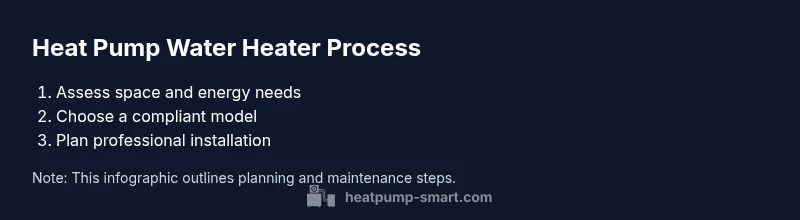
- 1
Define goals and assess space
Clarify daily hot-water needs and identify a suitable installation location with adequate clearance for airflow and future service access. Measure width, height, and depth, and note any structural constraints. This groundwork reduces surprises later in the project.
Tip: Create a simple sketch of the space and mark any doors or cabinets that could affect installation. - 2
Check local codes and permits
Consult your local building department or a licensed professional to confirm permit requirements, electrical capacity, and venting rules (where applicable). Understanding regulations beforehand helps you avoid delays or violations.
Tip: Ask for a written checklist of required permits and approvals before buying equipment. - 3
Compare models and energy ratings
Evaluate COP, capacity, and climate suitability. Compare noise levels and installation footprint. Prioritize ENERGY STAR models and review warranty terms to ensure long-term reliability.
Tip: Focus on a model that matches your peak hot-water demand and has a service network nearby. - 4
Plan installation with professionals
Coordinate with a licensed electrician and HVAC/plumbing pro for electrical connections, refrigerant handling, and final commissioning. Use this phase to confirm installation steps, timelines, and safety precautions.
Tip: Obtain a formal quote and a written scope of work before proceeding. - 5
Schedule maintenance and safety checks
Set up regular maintenance intervals and create a simple log. Include filter cleaning, airflow checks, and drainage inspections to sustain efficiency.
Tip: Link maintenance reminders to your calendar to avoid missed service.
Your Questions Answered
Is it safe to install a heat pump water heater myself?
Major electrical and refrigerant work should be performed by licensed professionals. Homeowners can participate in planning, maintenance, and basic safety checks.
Major electrical and refrigerant work should be left to pros. You can help with planning and maintenance.
What space is needed for installation?
Ensure adequate clearance around the unit for airflow, service access, and maintenance. Check height, width, and depth limits specified by the manufacturer.
Make sure there’s enough room around the unit for airflow and service access.
Will a diy heat pump water heater save money?
Savings depend on usage, climate, and insulation. Heat pumps are generally more efficient than traditional electric heaters, but initial costs and installation requirements influence payback.
They’re usually more efficient, but payback varies with climate and usage.
Do all homes qualify for heat pump water heaters?
Most homes with adequate electrical capacity and a suitable installation location can qualify, but some configurations need upgrades or specialized venting.
Most homes can qualify, but check electrical capacity and space needs with a pro.
What maintenance is required?
Regularly clean filters, inspect airflow, check for leaks, and ensure the condensate drain remains clear. Schedule professional service per warranty guidelines.
Keep filters clean, check for leaks, and have a pro service it per warranty.
Watch Video
Top Takeaways
- Assess space and codes before buying
- Plan professional installation for electrical and refrigerant work
- Compare COP, capacity, and climate suitability
- Schedule regular maintenance to sustain efficiency