Cost Carrier Heat Pump: Costs, Savings & Installation
Explore the true costs of cost carrier heat pump systems, what drives installation expenses, and how to maximize energy savings with Heatpump Smart guidance.


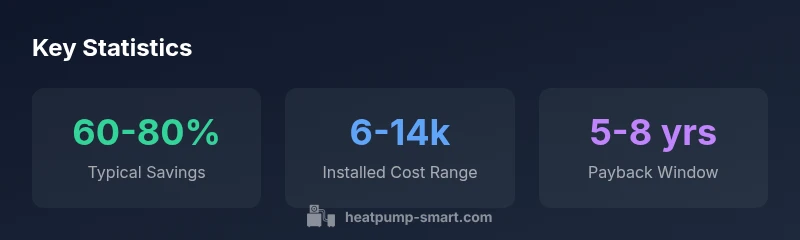
Typical installed cost ranges from $6,000-$14,000 nationwide for a cost carrier heat pump system, including equipment and professional installation. Factors like home size, climate, ductwork, and efficiency ratings drive the final price, according to Heatpump Smart Analysis, 2026. This range covers common single-zone to multi-zone configurations, and assumes standard mid-efficiency units with basic controls.
Understanding Cost Carrier Heat Pumps: What You Pay For
A cost carrier heat pump system represents a practical balance between upfront investment and long-term energy savings. When homeowners budget for a cost carrier heat pump, they confront several key price drivers: equipment cost, installation labor, ductwork modifications, and the quality of controls. In general, the system's ability to heat and cool a home, combined with climate and insulation, shapes the final number on the invoice. According to Heatpump Smart, the upfront cost is only part of the equation; lifecycle costs matter just as much. For many homes, the choice between single-zone and multi-zone configurations can swing the total installed price by thousands of dollars, but the potential energy savings can justify the investment over time. An honest cost assessment should include not just sticker price, but also expected payback, maintenance needs, and potential rebates. The Heatpump Smart team emphasizes that accurate budgeting starts with a clear load calculation, proper equipment selection, and a plan for future efficiency improvements. In this piece, we break down the typical cost components, provide practical budgeting tips, and explain how to compare offers from installers.
Factors Driving Cost: Sizing, Climate & Efficiency
Sizing a cost carrier heat pump correctly is essential for comfort and cost control. An undersized unit will run longer, waste energy, and fail to meet demand on very cold days, while an oversized system can lead to short cycling and diminished efficiency. A thorough load calculation, guided by local standards, helps determine the appropriate tonnage and stage count for heating and cooling. Climate is a major driver: in colder regions, higher-efficiency equipment with robust defrost cycles may cost more upfront but deliver substantial long-term savings. Efficiency matters too: higher SEER (cooling efficiency) and HSPF (heating efficiency) ratings typically raise upfront costs but reduce energy use and bills over time. Other variables include refrigerant type and variable-speed compressors, zoning capabilities, and smart controls. Heatpump Smart notes that every home is unique, so side-by-side comparisons should include current energy bills, climate data, and insulation quality to forecast real-world savings.
Equipment Choices and Their Price Implications
There are several gear-level choices that steer the cost of a cost carrier heat pump. Ducted air-source systems, ductless mini-splits, and geothermal installations each carry different price trajectories and installation complexities. Ducted air-source units typically align with standard home layouts and may be less expensive to install than geothermal options, but they depend on existing or modified ductwork. Ductless mini-splits offer zoned comfort and easier retrofits, often at a similar price range but with the flexibility of multiple indoor units. Geothermal heat pumps represent a premium tier, leveraging ground heat to improve efficiency, but require trenching or boreholes and greater excavation, pushing installed costs higher. In all cases, equipment efficiency, the number of zones, and the complexity of the outdoor condenser or geothermal loop will influence final numbers. When comparing bids, look beyond sticker price to evaluate expected energy savings, maintenance needs, and warranty terms, and consider whether a model with advanced controls will deliver better long-term value.
Installation Considerations: Ductwork, Wiring & Permits
Installation costs are not only about the unit but also the work required to integrate it into a home. Duct modifications, sealing, and the potential need for new dampers or zoning controls can add thousands to the bill. Wiring upgrades, thermostat communication, and refrigerant line runs contribute to labor hours and material costs. Permitting, inspections, and refrigerant handling are essential safety steps that can extend timelines and add modest fees. Hidden costs sometimes surface as incidental items, such as weatherproofing, condensate drainage improvements, or upgrades to indoor air quality accessories. A transparent bid should itemize these line items so you can compare apples to apples across installers. Heatpump Smart recommends requesting a detailed scope and a breakdown of any potential add-ons before signing a contract.
Financing, Incentives, and Payback
Financing options and incentives can significantly influence the overall cost of a cost carrier heat pump. Many regions offer federal, state, and local rebates, plus utility subsidies for high-efficiency equipment. Programs often require registration or performance verification, and their availability can vary by zip code. In some cases, in-house financing or promotional 0% interest offers can reduce the effective upfront cash outlay. It’s wise to map out incentives early in the budgeting process and align them with your installation schedule. The payback period will depend on how you finance the project, how much energy you save, and any rebates captured over the life of the system. Heatpump Smart notes that incentives are most valuable when they shorten the return on investment while still enabling a high-efficiency, reliable system.
Real-World Cost Scenarios by Home Type
Costs vary by home size, existing infrastructure, and how aggressively you pursue efficiency upgrades. A small home or apartment with a single-zone setup might land in the lower end of the cost range, while a larger home with multiple zones and advanced controls can push costs toward the upper end. For example, a compact 1,000–1,200 square foot residence with a straightforward ducted layout might fall in the $6,000–$10,000 range, including basic installation. A mid-sized home with two or three zones and duct modifications could reach $10,000–$16,000. In contrast, geothermal installations or highly customized ductless multi-zone configurations can exceed $20,000 and approach $30,000 or more in extreme cases. These figures illustrate the importance of a precise load calculation, site assessment, and a clear plan for future energy optimization. Heatpump Smart suggests collecting bids from several installers and requesting a side-by-side comparison that includes energy savings estimates for typical winter conditions.
Methods to Lower Lifetime Costs and Maximize ROI
To reduce total lifetime costs, pair a cost carrier heat pump with efficiency-boosting measures. Tighten the building envelope with insulation and air sealing, install a programmable or smart thermostat, and maintain consistent maintenance schedules such as coil cleaning and filter changes. Choosing a unit with variable-speed compressors and advanced controls can improve performance and reduce cycling, which lowers wear and energy use. Properly sized systems paired with zoning can deliver comfort without oversizing, further reducing initial and ongoing costs. When evaluating bids, place emphasis on equipment warranties, service availability, and the installer’s reputation for thorough commissioning and customer support. Heatpump Smart emphasizes that the best ROI comes from a holistic approach: balance upfront costs with robust ongoing savings, and leverage incentives to shorten the payback window.
Cost Carrier Heat Pump System Cost Comparison
| System Type | Typical Installed Cost Range | Average Payback (years) |
|---|---|---|
| Air-source Cost Carrier (Ducted) | "6,000-14,000" | "3-7" |
| Air-source Cost Carrier (Ductless/Multi-Zone) | "6,000-15,000" | "3-8" |
| Geothermal Cost Carrier | "20,000-40,000" | "7-15" |
Your Questions Answered
What is a cost carrier heat pump?
A cost carrier heat pump is a standard, modular heat pump system designed to balance upfront cost with ongoing efficiency. It uses conventional components and is adaptable to a range of homes, with options for ducted or ductless configurations.
A cost carrier heat pump is a standard system that balances upfront price with long-term efficiency, adaptable to many homes.
How much does installation usually cost?
Installation typically ranges from about $6,000 to $14,000 nationwide, depending on size, climate, ductwork needs, and chosen efficiency. It can be higher for geothermal or multi-zone setups.
Installation usually falls within six to fourteen thousand dollars, depending on your home and setup.
Are there incentives or rebates for cost carrier heat pumps?
Yes, many regions offer rebates and incentives for high-efficiency heat pumps. Availability varies by location and program eligibility; check with utilities, state programs, and local governments.
There are often rebates and incentives—check with your utility and local programs.
What affects payback period?
Payback depends on energy savings, local electricity rates, climate, and how well the system is sized and installed. Typical payback ranges from 3 to 7 years.
Payback depends on savings, rates, climate, and proper installation.
Should I replace a furnace or AC with a cost carrier heat pump?
Evaluate existing equipment, insulation, and ductwork. A heat pump replacement can be ideal if your home is well-insulated, while hybrids or retrofits may suit different conditions.
Assess your current system and home for the best fit—heat pumps work best with good insulation.
What maintenance is needed to lower costs?
Regular filter changes, coil cleaning, and annual professional checkups help maintain efficiency and prevent costly breakdowns.
Keep filters clean, coils clean, and get yearly tune-ups for best performance.
“A well‑designed cost carrier heat pump delivers comfort with predictable energy costs, but the true value comes from how well it’s sized, installed, and integrated with your home. Plan for the long term, not just the first season.”
Top Takeaways
- Know the total cost of ownership, not just the sticker price
- Size, climate, and efficiency determine most of the cost variance
- Ductwork and zoning can add or save money depending on your home
- Incentives can shorten payback; plan incentives early
- Request itemized bids to spot hidden fees and better value
- Consider long-term energy savings when comparing bids