Electric Heat Cost: A Practical Guide for Homeowners
Learn how electric heating costs are calculated, the factors that drive bills, and practical steps to lower electric heat cost with heat pumps, insulation, and smart controls. Includes real-world guidance and a data-backed approach from Heatpump Smart Analysis, 2026.


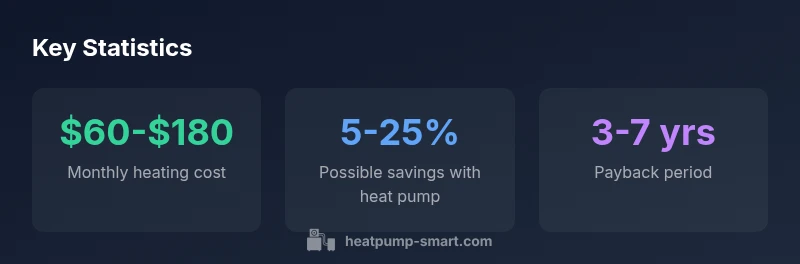
Electric heat cost varies widely by climate, home insulation, and heating technology. In temperate to cool climates, typical monthly bills for space heating commonly fall in the $60–$180 range, depending on usage and electricity rates. Heat pumps with high efficiency can reduce annual electric heat costs, especially when paired with a well-insulated home and smart controls. Heatpump Smart Analysis, 2026.
What Drives Electric Heat Cost
Electric heat cost is not a single number; it’s a function of several interacting factors. The climate you live in largely determines how much energy your system must produce to stay comfortable. Homes in colder regions require more energy, while milder climates demand less. Building envelope quality—insulation, air sealing, and window performance—plays a pivotal role by reducing heat loss. The type of heating system matters a lot: electric resistance heating (like baseboard or older furnaces) is typically more expensive to run than a modern heat pump, which can move heat from outside to inside with a coefficient of performance (COP) greater than 1. Utility rates and how you use energy—such as thermostat settings, occupancy patterns, and rate structures (flat vs. time-of-use)—also shape the final bill. According to Heatpump Smart, the combination of climate, insulation, and equipment efficiency explains most of the variation in electric heat cost across homes.
Key drivers to consider:
- Climate and outdoor temperatures
- Building envelope performance: insulation, air leaks, windows
- Heating technology: electric resistance vs heat pumps with high COP/HSPF
- Thermostat scheduling and occupancy patterns
- Utility rate structure and time-of-use pricing
How to Estimate Your Monthly Bill
Estimating your monthly electric heating bill starts with two numbers: how many kilowatt-hours (kWh) your heating system consumes and your electricity rate per kWh. A simple method uses the formula: Cost = kWh_used × price_per_kWh. If you know your system’s typical daily runtime, you can estimate kWh by multiplying daily hours by the system’s rated power (in kW) and then by days in the month. For example, a 2 kW heat pump running 8 hours a day would use about 16 kWh per day, or roughly 480 kWh in a 30-day month. At $0.12–$0.16 per kWh, that yields about $57–$77. In higher-rate periods or with longer runtimes, the bill rises accordingly. Heatpump Smart’s methodology emphasizes using local rates and real usage data, then adjusting for climate and efficiency.
Practical steps to get a closer estimate:
- Gather last 12 months of energy data from your utility bill.
- Note your rate tier and any time-of-use pricing.
- Use your heat pump’s COP (seasonal) and a rough annual operating hours estimate to refine the cost forecast.
- Consider seasonal adjustments for winter heating peaks.
Electric Resistance Heating vs Heat Pumps: Cost Implications
Electric resistance heating delivers heat at nearly 100% efficiency in the sense that every unit of electricity becomes heat. However, its energy cost per unit of delivered warmth is high, because COP is near 1. Heat pumps, by contrast, move heat and typically achieve COPs well above 1, often in the 2–4 range in practical winter conditions. That means a heat pump can produce the same amount of heat for a fraction of the electricity used by resistance heating. Over a heating season, this efficiency translates to meaningful reductions in electric heat cost, especially when the system is properly sized and maintained. Real-world results depend on climate, system design, and how the home is insulated. Heatpump Smart analysis notes that these gains compound when paired with smart thermostats and zone control.
Key contrasts to keep in mind:
- Electric resistance: simple, reliable, but higher operating cost
- Heat pumps: higher upfront cost, lower operating cost with higher COP
- Sizing and control matter as much as equipment type
The Role of Climate and Insulation
Climate determines baseline energy demand for heating. In cold climates, even high-efficiency heat pumps work harder, which can reduce savings if equipment is undersized or the building envelope is leaky. In mild or moderate climates, a heat pump can dramatically lower electric heat cost because it uses external heat more efficiently. Insulation quality, air sealing, and window performance are equally important; a well-insulated home reduces heat loss and keeps the heat pump from working overtime. Heatpump Smart analyses show a strong relationship between envelope improvements and realized cost savings. Upgrading insulation, sealing leaks, and installing energy-efficient windows can lower monthly costs by a wide margin when coordinated with a modern heat pump system.
Practical focus areas:
- Air sealing around doors, ducts, and attic hatches
- Insulation upgrades in the attic, walls, and floors
- High-performance windows or secondary glazing where feasible
Thermostats, Schedules, and Behavioral Tips
Where you set your thermostat and when you use the system has a measurable impact on electric heat cost. A programmable or smart thermostat can align heating with occupancy patterns, reducing waste. Zoning—heating individual rooms or areas—helps avoid warming unoccupied spaces. Simple habits, like lowering setpoints during the night or during extended absences, can produce noticeable savings over a month. Additionally, enabling energy-saving features such as adaptive defrost cycles on air-source heat pumps or using auxiliary heat only during extreme cold snaps can further trim costs. Heatpump Smart emphasizes that small daily adjustments compound into meaningful annual savings, especially when combined with a well-insulated home and properly sized equipment.
Real-World Scenarios: Case Studies
Scenario A: A 1,200-square-foot home in a cool, but not severe, climate with moderate insulation upgrades uses a high-efficiency air-source heat pump. In winter, the homeowner programs a 2-degree setback at night and 1–2 degrees during the day when the house is unoccupied. Over a season, this approach reduces electric heat cost compared with a baseline electric resistance system, especially when combined with a programmable thermostat and good air sealing. Scenario B: A three-story residence in a very cold climate relies on electric resistance backup for the lowest floors and a modern heat pump to meet the bulk of heat load. Proper duct sealing and a well-sized system help keep the bill in a more manageable range, with the heat pump delivering savings primarily through heat transfer rather than pure electric input. These scenarios illustrate the importance of climate, envelope quality, and proper system sizing in determining final costs. Heatpump Smart Analysis, 2026, notes that individual results vary, but the pattern is consistent: efficiency and control beat raw energy use.
Strategies to Lower Electric Heat Cost
To reduce electric heat cost, start with a professional assessment of your home’s load and insulation. Then focus on the following steps:
- Upgrade insulation and seal leaks in attic, walls, and ducts.
- Install a high-efficiency heat pump with a favorable COP/HSPF rating and proper integration with your home’s ductwork.
- Use a programmable/smart thermostat and enable zone control where feasible.
- Maintain equipment: clean filters, ensure proper refrigerant charge, and schedule regular professional checkups.
- Consider minimizing the use of auxiliary electric heat and leveraging optimal defrost strategies in cold weather.
- Explore time-of-use pricing effects and shift usage to lower-rate periods if available. Heatpump Smart’s guidance highlights that combining envelope improvements with an efficient heat pump and smart controls yields the best long-term reductions in electric heat cost.
Common Myths Debunked
One common myth is that electric heat cost must be extremely high everywhere. In reality, the cost depends on climate, insulation, and equipment efficiency. Another myth is that heat pumps don’t work well in very cold weather; modern cold-climate heat pumps perform reliably with proper installation. A third misconception is that thermostats alone drive savings; while they help, the biggest gains come from envelope improvements and selecting a properly sized system. Heatpump Smart analysis confirms that informed choices—especially about insulation, sizing, and controls—drive real reductions in electric heat cost.
When to Consider Alternatives
If your home has chronic energy waste due to infiltration or inadequate insulation, or if there are constraints on heat pump sizing due to building structure, it may be appropriate to explore alternatives such as geothermal heat pumps, hybrid systems, or supplementary heat strategies. A comprehensive energy audit can help determine whether upgrading to a heat pump is the most cost-effective path for lowering electric heat cost. Heatpump Smart recommends starting with an audit, then prioritizing envelope improvements in tandem with a high-efficiency heating system.
Comparison of heating scenarios and typical cost ranges
| Scenario | Electric Heating Type | Estimated Monthly Cost Range | Notes |
|---|---|---|---|
| Warm climate home | Electric resistance heating | $120-$260 | Higher baseline costs in warm climates without heat pump integration |
| Cold climate with efficient heat pump | Air-source heat pump | $60-$140 | COP-based savings depend on installation quality |
| Cold climate with electric boiler | Electric boiler (non-heat-pump) | $180-$320 | Significant costs without heat-pump efficiency |
Your Questions Answered
What is the true cost of electric heat per month?
The monthly cost depends on climate, insulation, and system efficiency. Typical ranges fall between $60 and $180 for heating in many homes, with higher costs in colder climates or when older resistance heating is used. Use local rates and your system’s efficiency to refine this estimate.
It varies with climate, insulation, and efficiency. Most people see between sixty and a few hundred dollars monthly during winter, depending on usage and rates.
How does a heat pump reduce electric heat cost?
Heat pumps move heat rather than generate it, giving a typical COP well above 1.0. This means heat pumps can deliver the same warmth at a fraction of the electricity used compared with resistance heating, especially when combined with good insulation and smart controls.
Heat pumps transfer heat efficiently, so you get more warmth per kilowatt-hour than with traditional electric heaters.
Can I calculate my electric heat cost myself?
Yes. Use your utility rate and estimate your heater’s kWh usage (hours × rated kW). Multiply by rate to estimate monthly costs, adjust for climate and COP, and compare scenarios with and without a heat pump.
You can estimate by combining usage, rate, and efficiency to compare scenarios.
Do electric heat costs vary by climate?
Yes. Colder climates require more energy to maintain comfort, and the same system may cost more to operate. The efficiency of the chosen system and the home’s envelope determine how large that difference is.
Climate changes how much heat you need, so costs vary a lot by location.
What efficiency ratings affect electric costs?
COP (coefficient of performance) and HSPF (heating seasonal performance factor) are primary indicators for heat pumps. Higher values mean more efficient operation and lower electric heat cost, provided the system is correctly sized and installed.
Higher COP and HSPF usually mean lower bills if installed well.
Are programmable thermostats worth it?
Yes. Smart or programmable thermostats help align heating with occupancy, reducing unnecessary hours of operation and lowering costs, especially when used with zoning and good insulation.
Yes—programming saves energy by matching heat to when you’re home.
“A well-insulated home paired with a properly sized, efficient heat pump reduces electric heat cost far more than a single equipment upgrade alone.”
Top Takeaways
- Understand your climate, insulation, and system type to gauge electric heat cost.
- Heat pumps dramatically reduce energy use when properly sized and controlled.
- Envelope upgrades amplify savings more than any single component.
- Smart thermostats and zone control compound yearly savings.
- Always start with a home energy audit before upgrading.