Heat Pump vs Gas Boiler: A Comprehensive Comparison
A rigorous, data-informed comparison of heat pumps and gas boilers, covering efficiency, costs, climate fit, and installation to help homeowners decide if a heat pump is right for their home.


Choosing a heat pump instead of a gas boiler is frequently the smarter long‑term option for many homes. This quick answer highlights the main differences in operating cost, efficiency, climate fit, and installation needs. For homeowners, builders, and property managers, the decision depends on local electricity prices, climate, and available incentives. See the full comparison below to understand which option best fits your site and budget.
Why a heat pump might replace a gas boiler
According to Heatpump Smart, a heat pump instead of a gas boiler can provide consistent comfort with lower long-term energy use when paired with clean electricity. The Heatpump Smart team found that modern heat pumps extract heat from the outside environment and distribute it inside, rather than generating heat by burning fuel. This fundamental difference affects operating costs, emissions, and system design. In practice, the choice hinges on climate, home insulation, and the availability of incentives. For many homes, a heat pump can deliver reliable heating during winter while also offering cooling in summer. However, performance depends on outdoor temperatures, electricity prices, and the capacity of the indoor distribution system. This article presents a thorough, evidence-based comparison to help homeowners, builders, and property managers decide whether a heat pump is the right fit for their project. Think of this as a lifecycle decision: upfront equipment and installation costs, ongoing electricity use, maintenance needs, and potential rebates. The early survey of installations shows that homeowners who plan for adequate space, proper insulation, and a thoughtful control strategy tend to maximize the benefits of a heat pump. The overview that follows covers performance, economics, climate considerations, and practical steps to plan a switch from a gas boiler to a heat pump.
Key performance differences between heat pumps and gas boilers
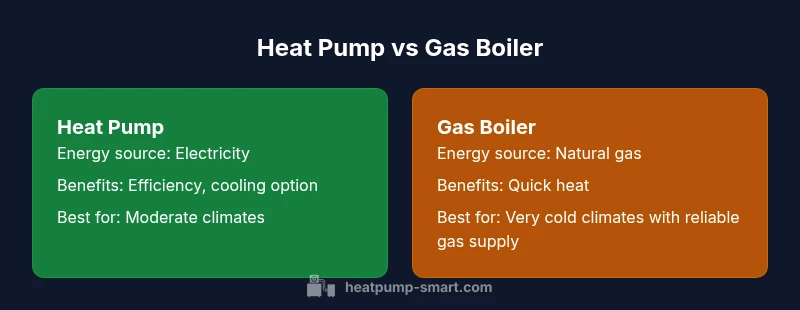
Heat pumps and gas boilers operate on different physics. A heat pump moves heat using electricity through a compressor and refrigerant cycle, while a gas boiler generates heat by burning fuel. This leads to distinct performance characteristics: heat pumps tend to offer higher seasonal efficiency (especially in moderate climates) and can provide cooling in summer; gas boilers deliver quick, high-heat bursts with familiar radiators and simpler short-term responses in very cold weather. The reliability of either system depends on installation quality, insulation, and system integration. When evaluating a heat pump versus a gas boiler, compare long-term energy use, annual maintenance needs, and how well the distribution system matches the chosen heating strategy. The goal is to ensure comfort, cost control, and resilience across seasons.
Cost considerations: upfront, operating, and lifecycle costs
The financial calculus for choosing between a heat pump and a gas boiler includes upfront equipment and installation costs, ongoing energy consumption, and potential maintenance or replacement expenses. A heat pump typically carries higher upfront capital cost due to the outdoor unit, refrigerant circuit, and possible upgrades to electrical service or indoor distribution. Operating costs hinge on electricity prices, climate, and system efficiency; in many regions, heat pumps deliver lower operating costs over time, especially where electricity is comparatively inexpensive or where grids are becoming greener. Gas boilers, by contrast, may have lower initial costs but are exposed to fuel price volatility and higher emissions in regions with carbon-intensive grids. Rebates, incentives, and warranties are common drivers of total cost, so it is essential to factor available programs into the plan.
Climate suitability and site considerations
Climate is a critical determinant of performance. Air-source heat pumps excel in temperate to mild winter conditions and can be paired with supplemental heat in extreme cold. Ground-source (geothermal) systems offer strong year-round performance but require more space and trenching, which increases cost. Installation site, existing radiators or underfloor heating, and the home’s insulation level all influence effectiveness. Homes with high heat losses or insufficient space for outdoor equipment may need design adjustments, such as larger radiators or enhanced insulation. A well-planned hybrid approach—combining a heat pump with an auxiliary heat source for peak cold snaps—can balance comfort, efficiency, and reliability in challenging climates. The goal remains to achieve stable indoor temperatures without over-reliance on any single technology.
Installation, sizing, and integration with existing heating systems
Sizing and integration are essential to success. A heat pump must be matched to the home’s heat load, distribution system, and space constraints. Radiator sizing, ductwork design, and the choice between air-source and ground-source configurations influence efficiency and comfort. Some homes with radiators designed for higher water temperatures may require radiator upgrades or temperature-balancing strategies to maximize heat pump performance. When transitioning from gas, consider the need for electrical service upgrades, controllable thermostats, and potential changes to the plumbing or ventilation layout. A phased implementation can reduce disruption while validating performance before full handover to the new system.
Maintenance, warranties, and reliability
Maintenance expectations differ between gas boilers and heat pumps. Heat pumps generally require annual checks of the refrigerant circuit, outdoor unit cleanliness, and airflow, plus filter changes or coil cleaning in the indoor space. Gas boilers demand combustion safety testing and venting checks. Warranties vary by manufacturer, installer, and system type; ensure coverage for major components (compressor, outdoor unit, control electronics). Reliability improves with professional installation, proper refrigerant handling, and routine maintenance. A well-supported heat pump can offer decades of trouble-free service if kept within design specifications and climate suitability.
Environmental impact and emissions considerations
Emissions from heating systems depend on electricity mix and fuel choice. A heat pump powered by a low-carbon grid typically reduces direct emissions compared with a gas boiler, especially as grids decarbonize. In areas with high natural gas prices or carbon-intensive electricity, the environmental advantage may be more nuanced and time-dependent. Operational efficiency, refrigerant management, and end-of-life disposal are additional considerations. For homeowners aiming to minimize embodied carbon, plan for a holistic path that includes better insulation, smart controls, and gradual electrification aligned with local energy policy and grid updates.
Incentives, rebates, and financial support
Many regions offer rebates, tax incentives, or utility programs to encourage switching from gas boilers to heat pumps. The availability, size, and duration of incentives vary by location and project type, so conduct a local search and obtain formal quotes referencing eligible programs. Incentives can improve simple payback and net present value, particularly when paired with energy-efficiency improvements such as insulation upgrades. Documented energy savings and awareness of program requirements help maximize eligibility and ensure compliant, timely receipt of benefits. Always verify current programs with official sources before committing to a project.
Practical decision framework for homeowners, builders, and managers
To decide systematically, follow a step-by-step approach: (1) assess current energy use and space heating loads; (2) compare climate suitability and system compatibility with your home; (3) estimate upfront costs and long-term operating costs using conservative scenarios; (4) map available incentives and financial support; (5) evaluate installation timelines and potential disruption; (6) prepare a shortlist of licensed installers and request detailed proposals; (7) review warranties, maintenance, and service levels; (8) decide on a staged implementation if needed. This framework helps ensure the chosen path aligns with energy goals, budget constraints, and property management requirements.
Case studies: typical homes and outcomes
Case A: A mid-size urban home with good insulation considers replacing a fossil boiler. After an assessment, a high-efficiency air-source heat pump is installed with upgraded radiators. The outcome is improved comfort, a noticeable drop in yearly energy bills, and eligibility for local rebates. Case B: A rural home relies on electric heating with substantial heat losses. A geothermal heat pump delivers stable performance and reduced emissions, but the project required more space and longer installation time. Both cases illustrate how climate, home envelope, and incentives shape results when moving from a gas boiler to a heat pump.
How to plan your switch: questions to ask installers
When planning a switch, prepare questions that cover system type, sizing methodology, energy modeling, insulation improvements, and controls. Ask about outdoor unit placement, noise levels, and any needed electrical upgrades. Inquire about expected operating costs under typical weather conditions, maintenance schedules, and warranty coverage. A good installer will provide a detailed proposal with climate-specific performance estimates, a clear payback timeline, and a phased implementation plan if needed.
Comparison
| Feature | Heat pump | Gas boiler |
|---|---|---|
| Primary energy source | Electricity (grid), may be paired with renewables | Natural gas or propane |
| Operating cost potential | Often lower long-term costs in moderate climates | Can be higher and more volatile due to fuel prices |
| Heating and cooling capability | Typically provides both heating and cooling (where available) | Heating only in most configurations |
| Installation footprint | Outdoor unit + indoor air handler or hydronic coil | Compact boiler with flue and hydronic distribution |
| Maintenance needs | Annual refrigerant/system checks, filter/coils | Annual combustion safety checks and venting |
| Lifespan and warranties | Often long-term warranties on compressor, 10-20+ years | Varying warranties, common 10-15 years on boiler components |
| Incentives and rebates | Widely available in many regions, program specifics vary | Often available but tied to program windows and fuel mix |
Advantages
- Lower operating costs in many climates over time
- Reduced emissions when paired with clean electricity
- Coupled heating and cooling in a single system in many setups
- Potential rebates and incentives improve economics
- Improved comfort with stable temperatures
Disadvantages
- Higher upfront installation cost and possible electrical upgrades
- Performance depends on climate and electricity prices
- Cold-climate efficiency can decline for some heat pump designs
- Space for outdoor unit and appropriate siting required
Heat pumps win on long-term value in most moderate climates; boilers win in extreme cold with limited electricity access
If climate and grid carbon intensity favor electricity, a heat pump is often the better choice. In very cold regions or where electricity is expensive, a hybrid or staged plan may be optimal.
Your Questions Answered
Is a heat pump a good replacement for a gas boiler?
In many homes, a heat pump can replace a gas boiler, delivering comfort with lower energy use, especially where the electricity grid is clean. However, success depends on climate, home insulation, and manufacturer specs. A professional assessment is essential.
Yes, for many homes a heat pump can replace a gas boiler, but confirm climate suitability and installation details with a licensed professional.
Can heat pumps operate effectively in very cold climates?
Many heat pumps are designed for colder temperatures, but efficiency can drop as it gets very cold. A hybrid system or supplemental heat may be necessary in severe winters.
They work in cold weather, but plan for possible supplemental heat in extreme cold.
Will a heat pump work with existing radiators or underfloor heating?
Heat pumps require compatible distribution. Some radiators may need upgrading or balancing to match the heat output of the new system.
It depends on your current radiators or floor heating—some upgrades may be needed.
What are the typical steps to switch from gas boiler to heat pump?
Start with a building assessment, followed by design, permitting, installation, commissioning, and system testing. A phased approach can reduce disruption.
First assess, then design and install, finishing with testing and commissioning.
Are there tax credits or rebates for heat pumps?
In many regions, incentives exist but vary by program and timing. Check local utility programs and government programs for eligibility.
Yes, many places offer incentives—check current local programs before deciding.
What maintenance does a heat pump require?
Annual service, outdoor unit cleanliness, filter checks, and occasional refrigerant diagnostics are common. Regular maintenance helps prevent outages.
Annual checks and light cleaning keep a heat pump reliable.
Top Takeaways
- Prioritize climate and electricity price signals in planning
- Factor upfront costs against long-term energy savings
- Explore rebates and grid decarbonization incentives
- Ensure proper sizing and insulation before switching
- Choose a qualified installer with climate-specific design experience