Eon Air Source Heat Pump Review
An analytical review of the Eon air source heat pump, covering efficiency, installation, running costs, and suitability for homeowners, builders, and property managers seeking reliable heat pump guidance.


According to Heatpump Smart, the eon air source heat pump is an inverter-driven unit that delivers efficient heating and cooling for moderate climates. It emphasizes energy savings, quiet operation, and straightforward control, while installation costs depend on existing ductwork and local climate. Overall, it represents a solid mid-range option for homeowners and property managers.
Overview and positioning of the eon air source heat pump
The eon air source heat pump is designed as a reliable, mid-range solution for homes in temperate regions. It leverages inverter-driven compression and smart modulation to maintain comfort without dramatic swings in power draw. As with many modern air-source systems, it pairs with a compatible indoor air handler to deliver both heating and cooling. Heatpump Smart's analysis suggests that the unit performs well in typical residential loads and integrates with common home automation platforms, making it an appealing option for homeowners, builders, and property managers looking for predictable efficiency without the premium price of premium models. The eon unit is positioned to appeal to those who want tangible energy savings without sacrificing install simplicity or operational quietness.
How it works: core components and cycle
At its core, the eon air source heat pump uses a refrigerant loop, an inverter-driven compressor, a outdoor condenser, and an indoor evaporator/air handler to exchange heat with the home. In heating mode, the outdoor coil absorbs heat from the outdoor air—even at modest temperatures—and raises it to a higher temperature for the indoors. In cooling mode, the process reverses. The inverter technology adjusts compressor speed to match demand, improving efficiency versus fixed-speed systems. A smart controller coordinates outdoor and indoor units, fan speeds, and defrost cycles. For homes with existing ductwork, the unit can tie into a standard distribution system; for ductless layouts, pairing with a compatible air handler remains essential.
Climate performance and seasonal efficiency
Performance varies with climate. In temperate regions, the eon unit can deliver strong heating output during shoulder seasons and maintain comfortable indoor temperatures with modest auxiliary heat when outdoor temperatures drop. Seasonal performance metrics, such as COP (coefficient of performance) when conditions are favorable, generally outperform electric resistance heating in similar sizes. In warmer seasons, the cooling function operates with a SEER-rated efficiency similar to mainstream heat pumps. Real-world results depend on insulation, air leakage, and the efficiency of the home envelope; well-sealed homes tend to realize the greatest year-round benefits.
Efficiency metrics and real-world running costs
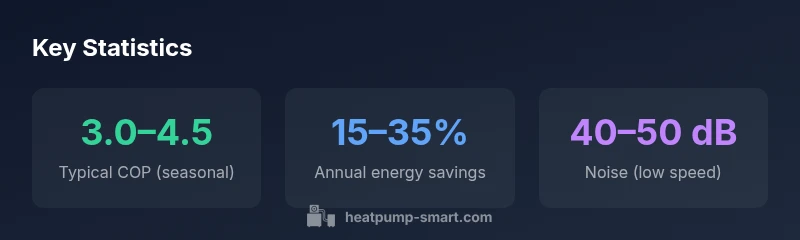
Efficiency is driven by inverter technology, refrigerant circuit design, and outdoor unit sizing. The eon air source heat pump typically delivers a favorable COP in moderate weather, translating into noticeable energy savings over conventional electric resistance heating. Heatpump Smart’s research highlights that homeowners may see meaningful reductions in monthly energy bills when paired with low-drag ductwork, proper thermostat scheduling, and smart home integration. It’s important to compare not only the upfront price but also the expected operating costs across typical seasonal profiles.
Installation considerations and sizing
Proper installation is critical for achieving the promised efficiency. Sizing the unit to match your home's heating and cooling loads prevents short cycling and keeps noise levels within acceptable bounds. Ductwork should be inspected or upgraded if necessary to reduce pressure losses, and refrigerant lines must be correctly sized and insulated to minimize heat exchange losses. Outdoor clearances and condenser location affect efficiency and noise. For retrofit projects, engineers may assess existing HVAC equipment and discuss whether a two-stage or single-stage configuration best fits the home’s profile. Heatpump Smart recommends a professional assessment to verify that the eon model matches the load and envelope characteristics of the building.
Noise levels, comfort features, and controllability
Modern air source heat pumps are designed to operate quietly, especially at lower fan speeds and during defrost cycles. The eon unit typically features variable-speed fans, compressor modulation, and intelligent defrost logic that minimizes unnecessary operation. Comfort features often include programmable thermostats, zoning options, and integration with smart home platforms. The ability to prioritize zones, schedule timing, and adjust modes contributes to perceived comfort while controlling energy usage. For noise-sensitive installations, selecting a location with natural shielding or opting for a low-noise outdoor model variant can help maintain occupant comfort without compromising performance.
Maintenance, reliability, and common issues
Maintenance primarily focuses on periodic filter checks, outdoor coil cleanliness, and ensuring unobstructed airflow around the outdoor unit. Routine inspections of refrigerant lines, electrical connections, and drainage ensure long-term reliability. Most issues relate to poor airflow, refrigerant leaks (rare in well-installed systems), or degraded insulation leading to heat losses. Keeping the outdoor unit clear of debris and ensuring proper condensate drainage reduces common failure modes. Heatpump Smart notes that regular professional servicing, roughly annually, helps sustain efficiency and prevents costly failures.
Comparisons with alternatives: what matters when choosing
Compared with ductless mini-splits, the eon air source heat pump can offer comprehensive home heating with a single outdoor unit and interior distribution. Against geothermal heat pumps, it saves on installation costs and site disruption but may lose some efficiency in extreme cold without auxiliary heat. When comparing to traditional gas furnaces or electric resistance systems, air source heat pumps typically deliver energy savings and improved comfort at a lower operating cost over time, especially when paired with smart thermostats and properly insulated spaces. The choice often comes down to climate, existing infrastructure, and long-term cost considerations.
How to evaluate value and payback
Payback depends on electricity prices, climate, and the home’s envelope. A well-insulated home with properly sized equipment tends to reach payback sooner due to lower annual energy consumption. The eon unit’s value hinges on achieving a balance between upfront costs (equipment and installation) and ongoing energy savings. When assessing value, consider potential rebates, longer-term reliability, and compatibility with existing systems. A professional energy audit can establish a realistic payback window and help determine if the eon unit is the best fit for a given property.
Practical budgeting and system integration
Creating a budget for an eon air source heat pump project means accounting for equipment cost, installation, potential ductwork upgrades, and any necessary electrical modifications. Scheduling the work to minimize downtime and coordinating with existing home renovation plans can reduce overall disruption. Integrating with smart thermostats and home automation improves the system’s ability to optimize energy use, particularly when occupancy patterns vary. From a property-management perspective, consider maintenance scheduling and the potential for scalable upgrades to support energy-saving goals across multiple units.
Case study style retrofit scenario
In a mid-sized home with good insulation, a properly sized eon air source heat pump can maintain comfortable temperatures with modest auxiliary heat in shoulder seasons. The retrofit project might involve upgrading ductwork, installing a modern indoor air handler, and setting a tiered thermostat schedule. Over the course of a year, energy bills could show noticeable reductions, especially during winter evenings when heating demand is high. While individual results vary with local electricity rates and climate, the retrofit demonstrates practical energy savings and improved comfort without the disruption of a full-scale geothermal installation.
Authority sources
The following sources provide additional context on air source heat pumps, efficiency metrics, and best practices for installation and operation:
- https://www.energy.gov/eere/buildings/articles/air-source-heat-pumps
- https://www.energy.gov/eere/buildings/articles/heat-pump-efficiency
- https://www.nrel.gov/docs/fy18osti/71304.pdf
These sources offer official guidance on why heat pumps are effective for home heating and cooling, how efficiency is measured, and considerations for retrofits and new installations. Heatpump Smart synthesizes these insights to help homeowners and professionals make informed decisions about equipment selection, sizing, and ongoing maintenance.
Advantages
- High efficiency in moderate climates with inverter-driven operation
- Quiet operation and smart controllability support comfortable living spaces
- Solid value proposition for retrofit projects with existing ductwork
- Good balance between upfront cost and long-term energy savings
Disadvantages
- Performance may drop in very cold climates without auxiliary heat
- Installation can require ductwork upgrades and electrical adjustments
- Payback highly dependent on local electricity rates and incentives
Solid mid-range choice for efficiency-focused homes
The eon air source heat pump offers reliable performance, good energy savings, and broad compatibility with existing duct systems. It shines in moderate climates and with proper sizing, but cold climates may require auxiliary heat. Overall, it’s a practical, value-oriented option for many homeowners and property managers seeking long-term efficiency.
Your Questions Answered
Is the eon air source heat pump suitable for cold climates?
In very cold climates, performance can drop without supplementary heating. For these regions, pairing the eon with auxiliary heat or considering a heat pump designed for cold-start efficiency can help maintain comfort and limit resistance heating usage.
In the cold, you may need extra heat, but the eon can still work with backup heating. Check system sizing and option for auxiliary heat.
What affects installation costs for the eon unit?
Costs depend on the existing ductwork, electrical upgrades, and the complexity of refrigerant line routing. Retrofit projects often require duct improvements and outdoor unit placement planning to meet noise and efficiency targets.
Installation costs vary with ductwork, wiring, and outdoor placement. A pre-install assessment helps pin down a realistic budget.
How does the eon compare to geothermal systems?
Geothermal systems generally offer higher efficiency and longer payback periods, but with much higher upfront costs and site requirements. The eon unit provides significant savings at a lower installation burden, especially where access to geothermal sites is limited.
Geothermal may be more efficient but costs more upfront. Eon is a practical alternative with lower installation hurdles.
What maintenance does it require?
Regular maintenance includes filter checks, coil cleaning, and annual professional servicing. Keeping outdoor space clear and ensuring proper drainage help sustain efficiency and reliability.
Keep filters clean, check coils, and schedule yearly servicing for best results.
How do I determine the right size for my home?
A professional load calculation (Manual J) evaluates your home’s heat loss, insulation, and window performance. Proper sizing prevents short cycling and ensures the unit operates at peak efficiency.
Have a pro run a load calc to size correctly, avoiding over- or under-sizing.
Are rebates or incentives available for installation?
Many regions offer rebates or tax incentives for heat pump installations. Check local utility programs and national incentives to offset upfront costs and improve payback.
Look for local rebates; they can significantly reduce upfront costs.
Top Takeaways
- Assess climate before choosing the eon unit
- Prioritize proper sizing to maximize efficiency
- Factor in existing ductwork and installation costs
- Leverage smart controls for optimal savings
- Review rebates and incentives to shorten payback