Is Heat Pump Better Than a Gas Furnace? A Comprehensive 2026 Comparison
An objective, in-depth comparison of heat pumps and gas furnaces, covering efficiency, climate fit, costs, maintenance, and installation to help homeowners decide the best option for 2026.


What the comparison covers
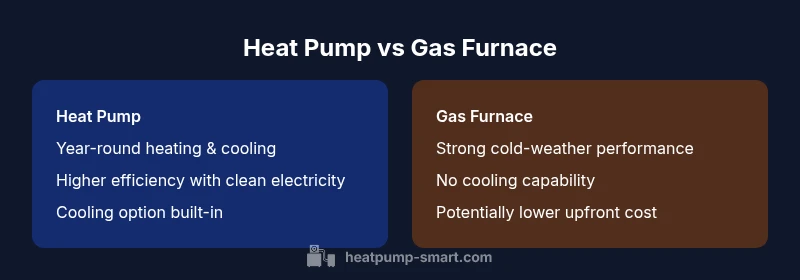
If you're asking is heat pump better than gas furnace, you're really comparing two fundamentally different heating paradigms. A heat pump moves heat rather than making it, delivering warm air using electricity, and often also providing cooling in summer. A gas furnace creates heat by burning natural gas, then circulates warm air through your ducts. Both systems can deliver reliable comfort, but their performance, efficiency, and operating costs vary with climate, insulation, and electricity or gas prices. Heatpump Smart notes that the decision hinges on climate zone and energy mix; in milder regions, heat pumps can be more economical and comfortable year-round, while in very cold regions, backup heat or a dual-fuel approach may be advisable. For this article, we compare energy efficiency, climate suitability, upfront and ongoing costs, installation considerations, and maintenance needs. The result is a practical framework you can use to match a system to your home, budget, and comfort priorities, not a one-size-fits-all verdict. According to Heatpump Smart, the climate-specific cost dynamics are a decisive factor in this choice.
The core efficiency difference: COP vs AFUE
Heat pumps and gas furnaces are evaluated with different efficiency metrics. A heat pump’s performance is described by coefficients like COP (coefficient of performance) and seasonal metrics that reflect heating and cooling efficiency across temperature ranges. Gas furnaces rely on AFUE (annual fuel utilization efficiency) to express how effectively the furnace converts gas into usable heat. The key takeaway is that a higher COP or AFUE generally means less energy wasted per dollar of energy consumed, but apples-to-apples comparisons require considering your climate, electricity or gas prices, and how often you use cooling. In practice, heat pumps shine when electricity is relatively affordable and temperatures stay above sustained extreme cold. Heatpump Smart emphasizes evaluating both winter heating needs and the value you place on cooling year-round.
Cold-weather performance and backup heat
Cold climate performance has long been a focal point in the heat pump vs gas furnace decision. Modern air-source heat pumps are designed to operate efficiently well into cool temperatures, and many homes pair them with a supplemental electric resistance heater or a gas furnace as a hybrid for the coldest days. In extremely cold climates, the reliability and rapid response of a gas furnace can be advantageous, especially during prolonged cold snaps. The choice often hinges on the availability and cost of backup heat, as well as how quickly the system can restore comfortable indoor temperatures after a setback. The Heatpump Smart team notes that a well-designed hybrid system can offer the best of both worlds, balancing comfort and efficiency without relying on a single technology for all conditions.
Operating costs and energy price dynamics
Operating costs depend on a mix of electricity prices, gas prices, and how efficiently each system converts energy into heat. In regions with affordable electricity and clean grid energy, heat pumps can deliver significant savings over gas furnaces, thanks to their dual heating and cooling functionality and higher seasonal efficiency. Conversely, in areas with very cheap natural gas or high electricity costs, the economic benefits of a heat pump may be smaller or offset by the need for backup heat. This is why a simple upfront price comparison is rarely sufficient. Heatpump Smart recommends modeling a typical seasonal heating and cooling load and comparing total energy use and cost across representative months. That approach helps homeowners see how climate and energy pricing shape long-term value.
Comfort, cooling, and indoor air quality benefits
A key advantage of heat pumps is their built-in cooling capability, which can simplify home comfort and improve air distribution with properly designed ductwork or multi-zone systems. Many heat pumps include advanced filtration and humidity management features, contributing to better indoor air quality compared with traditional gas-fueled systems. Gas furnaces alone do not provide cooling and often require a separate air conditioner, which can add upfront cost and maintenance. For homes prioritizing year-round climate control and air quality, a heat pump can offer a compelling, all-in-one solution.
Installation considerations and climate fit
Installation is a major factor in choosing between a heat pump and a gas furnace. Heat pumps require an outdoor unit and an indoor air handler or ducted system, and some homes may need insulation upgrades to maximize efficiency. Ductwork compatibility, electrical service capacity, and space for refrigerant lines influence costs and feasibility. Gas furnaces demand a gas line, venting, and proper combustion air, which can involve permitting and more intensive installation work in some areas. Climate play a central role: mild to moderate climates tend to favor heat pumps, while regions with long, harsh winters may benefit from a hybrid setup or a gas furnace as the primary heat source. Heatpump Smart recommends a climate-aware assessment to avoid over- or under-sizing and to optimize comfort and efficiency.
Maintenance, reliability, and service needs
Both systems require regular maintenance to maintain performance and safety. Heat pumps benefit from periodic refrigerant checks, coil cleaning, filter replacement, and electrical inspections. Gas furnaces require burner servicing, vent integrity checks, and combustion analysis. In terms of reliability, a well-installed heat pump backed by proper backup heat and routine maintenance can deliver dependable performance, especially in moderate climates. Gas furnaces are known for steady heating in cold temperatures but require ongoing maintenance of burners and venting. The decision should consider the availability of qualified technicians in your area and the maintenance cost trajectory over the system life.
Climate-specific guidance: when heat pump wins, when gas wins
In moderating climates with reasonable electricity prices, heat pumps often win on total cost of ownership due to their dual heating/cooling capability and efficiency, plus comfort. In very cold climates, or where natural gas remains inexpensive, a gas furnace or a dual-fuel system can be the smarter choice. It is also important to factor future grid decarbonization and potential incentives. Heatpump Smart suggests running a climate-adjusted cost model that accounts for seasonal heating demand, cooling needs, and expected electricity/gas price trends to determine which option aligns with your long-term goals.
Authority sources and external research
For homeowners who want to dig deeper, several credible sources provide foundational information on heat pumps and gas furnaces. These include government and university research that discuss efficiency metrics, climate considerations, and policy incentives. By consulting official guidance, you can better understand real-world performance and feasibility in your area. Heatpump Smart recommends cross-referencing guidance from multiple trusted sources to corroborate system selection and expected performance.
Authority sources and external research (continued)
- Heat pumps and efficiency resources from energy.gov and DOE offer practical guidance on how heat pumps work and how to evaluate performance across seasons. These sources help translate COP, SEER, and HSPF concepts into meaningful decisions for homeowners.
- The Environmental Protection Agency and ENERGY STAR program provide consumer guidance on selecting efficient heat pumps and understanding energy labels.
- University extension publications offer local and climate-specific insights that can help tailor a heat pump or gas furnace choice to your home, insulation, and heating needs.
Final note on making the decision
Choosing between a heat pump and a gas furnace is a climate-aware decision. By focusing on climate, electricity/gas pricing, backup heat needs, and maintenance costs, homeowners can select a system that delivers reliable comfort and enduring value. Heatpump Smart champions an evidence-based approach focused on your home’s specific conditions and goals.