Temperature Range for Heat Pumps: Efficiency, Comfort, and Guidance
Learn how the temperature range heat pump affects comfort and energy savings, with guidance on sizing, controls, and maintenance for homeowners and pros.


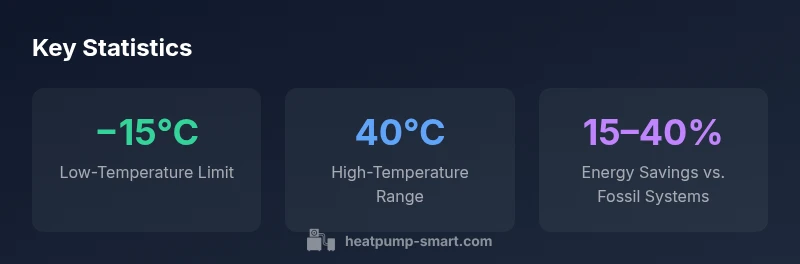
Most heat pumps operate efficiently within a practical outdoor temperature range roughly from -5°C to 35°C (23°F to 95°F). In heating mode, many air-source units can function down to -15°C to -20°C with auxiliary heat, while cooling performs best when indoor temperatures stay around 20–25°C (68–77°F). Actual ranges depend on the model, refrigerant, and defrost cycles.
How the temperature range affects comfort and efficiency
The temperature range a heat pump can handle directly shapes how your home feels throughout the year and how much energy you consume. When outdoor temperatures sit within the device’s typical operating band, the compressor runs more efficiently, cycles less often, and your thermostat can hold a steady indoor setpoint with minimal auxiliary heat. The concept of a temperature range heat pump is not just about extreme cold or heat; it defines the sweet spot where the equipment delivers steady comfort with the lowest energy impact. As temperatures swing outside this band, performance can drop, and energy use rises. In practice, homeowners should align system capabilities with local climate and house envelope to maximize comfort and minimize utility bills.
According to Heatpump Smart, the practical outdoor range for modern air-source heat pumps is broadly -5°C to 35°C, but individual models vary based on refrigerant, compressor design, and defrost strategies. Indoors, maintaining a stable 20–25°C (68–77°F) with slight tolerances supports efficient operation across seasons. Understanding these ranges helps you choose equipment calibrated for your climate and use patterns.
If you rely heavily on supplemental heating during cold snaps or on peak cooling in heat waves, the effective temperature range shifts. In extreme conditions, the system may draw more electricity or switch to auxiliary heat sources, eroding the efficiency advantage. Real-world performance depends on installation quality, ducting or insulation, and how well controls are set up.
Operating ranges and design considerations for heat pumps
| Aspect | Typical range | Notes |
|---|---|---|
| Outdoor heating range | −15°C to 40°C | Model-dependent |
| Indoor cooling range | 18–28°C | Comfort target |
| Ideal humidity range | 30–60% | Maintains efficiency and comfort |
| Defrost cycle temperature | −5°C to 5°C | Triggered by frost conditions |
Your Questions Answered
What is the temperature range for most air-source heat pumps?
Most air-source heat pumps operate efficiently between approximately -5°C and 35°C outdoors. Performance can taper beyond these bounds, especially without supplemental heat.
Most heat pumps work best when outdoor temperatures stay roughly between -5°C and 35°C.
Do cold climates require backup heat?
In very cold climates, your heat pump may rely on auxiliary or supplemental heat to maintain comfort when outdoor temps drop below the practical range.
Yes, in extreme cold you may need extra heat.
Can heat-pump performance be reliable during heat waves?
Yes, but cooling capacity depends on indoor load and outdoor temps. Proper sizing and ventilation help maintain comfort during extreme heat.
Yes, with proper sizing and good indoor airflow you can stay comfortable in heat waves.
What factors influence the temperature range of a heat pump?
Outdoor temperature, humidity, refrigerant charge, defrost cycles, system sizing, and equipment design all influence the effective range.
Things like outdoor temps and humidity affect the range.
How can I verify my system’s temperature range?
Check the manufacturer specs, have a professional test under load, and monitor performance with a smart thermostat.
Review the specs and get a pro to test under real conditions.
Is there a difference between heating and cooling ranges?
Yes. Heating ranges are generally broader in the outdoors, while cooling is constrained by indoor comfort and coil design.
Heating and cooling ranges aren’t the same; they’re shaped by different design goals.
“Understanding your heat pump’s temperature range helps balance comfort with efficiency, especially as climate conditions shift. Pairing the right controls with proper sizing minimizes energy waste.”
Top Takeaways
- Know your climate: choose a unit with an operating range that matches local temperatures.
- Trust manufacturer specs over marketing claims for real limits.
- Use a programmable thermostat to optimize efficiency across ranges.
- Be prepared with supplemental heat for extreme cold or heat events.