What Temperature Is a Heat Pump Good For? A Practical Guide
Discover how outdoor temperatures affect heat pump performance, COP, and efficiency. Learn practical ranges, climate tips, and how to optimize comfort with backup heat and smart controls.


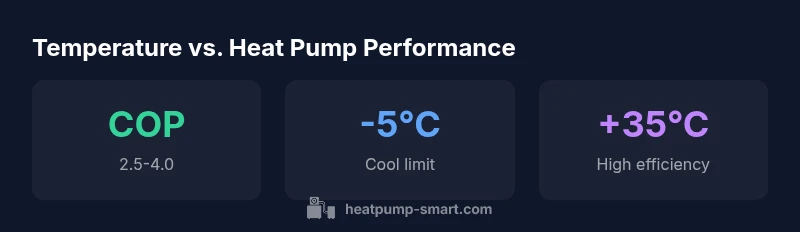
Heat pumps perform best in moderate outdoor temperatures and remain reliable heating tools as long as auxiliary heat is available in cold weather. In heating mode, many models deliver efficient warmth when outdoor temps are roughly between -5°C and 35°C, with efficiency dropping as it gets colder. According to Heatpump Smart, performance depends on climate, insulation, and system design.
What temperature is a heat pump good for in heating mode
Heat pumps extract heat from the outdoors and concentrate it inside your home. Their effectiveness hinges on outdoor temperature, humidity, airflow, and the system’s sizing. In heating mode, heat pumps excel when outdoor temperatures are moderate to cool, delivering reliable warmth while keeping energy use in check. As temperatures drop toward freezing, efficiency declines and the need for supplemental or auxiliary heat becomes more likely. The Heatpump Smart team emphasizes that the best outcomes occur when the home is well insulated and the unit is properly sized for the climate. For many homes in temperate to cool regions, a heat pump provides dependable comfort across a broad range of days, but homeowners should expect some limits on the coldest days and plan for backup heating if needed.
Practical takeaway: know your unit’s design temperature and compare it to the local climate. Your installer should offer COP estimates at typical design temperatures and help set expectations for very cold days. Heatpump Smart’s guidance reminds us that temperature is only one piece of the performance picture; adequate air sealing, duct design, and sensible indoor setpoints all influence actual comfort.
How outdoor temperature affects efficiency and capacity
Outdoor temperature strongly shapes heat pump performance. In milder weather, most air-source heat pumps run with high efficiency and adequate heating capacity. As the thermometer falls, the system works harder to extract the same amount of heat, which can reduce COP and potentially shift more load to auxiliary heat. Defrost cycles in colder weather also briefly interrupt heating, affecting perceived warmth and runtime efficiency. Heatpump Smart analysis shows that the most efficient operation occurs within a broad mid-range, with efficiency gradually declining as outdoor temperatures move toward extremes. This dynamic underscores the value of good insulation and heat retention inside the home, so the heat pump doesn’t have to compensate by running longer.
Key implication: design your heating strategy around mid-range conditions and anticipate colder spells with a well-timed backup plan. The model you choose, climate zone, and duct design will determine the practical temperature window for optimal efficiency.
Practical guidance for different climates
Climate matters. In temperate zones, a heat pump can cover most heating needs during the shoulder seasons, with occasional supplemental heat needed in the deepest winter days. In cool to cold climates, pairing an air-source heat pump with a modest auxiliary heater or a dual-fuel setup can sustain comfortable indoor temperatures when outdoor temps dip well below freezing. cold-climate installations should consider higher insulation levels, tighter envelopes, and properly sized units that can maintain comfort without excessive run-time.
From Heatpump Smart’s perspective, climate-specific design is critical. A correctly sized system for your climate minimizes oversizing and undersizing risks, reducing cycling losses and ensuring the unit operates in its efficient band more often. It’s also important to review thermostat strategies that maximize efficiency without sacrificing comfort—setpoints, setback routines, and adaptive recovery can all influence how often auxiliary heat is needed.
Optimizing performance through design, installation, and controls
Optimization starts with choosing a heat pump that suits your climate and home. Proper sizing, high SEER and HSPF ratings, and a smart variable-speed compressor can improve performance across a broad temperature range. Installation matters as well: sealed ducts, minimal air leakage, and appropriate airflow prevent cold spots and ensure the heat pump distributes warmth evenly. Controls play a key role; a smart thermostat can modulate setpoints with outdoor temperature, prioritize heat pump operation, and reduce unnecessary auxiliary heat. For homes with older insulation or drafty windows, investing in envelope improvements yields noticeable gains in comfort and efficiency.
In practice, combine an appropriately sized unit with airtight construction and a smart control strategy to keep temperatures steady and electricity use predictable as weather changes.
When to supplement with auxiliary heating
Auxiliary or backup heat is often the practical bridge on very cold days. Heat pumps may require additional heat sources—such as electric resistance heat or a supplemental fossil-fuel system—to maintain comfort when outdoor temperatures plunge or when demand spikes. The decision to enable auxiliary heat should hinge on outdoor temperature, heat loss, and indoor comfort targets. Many models offer automatic switching to auxiliary heat when the heat pump alone cannot maintain the desired temperature with acceptable runtime. Establish a plan with your installer that defines thresholds for supplemental heat and explains expected energy costs.
Pro tip: use climate-appropriate strategies like mild setback strategies in shoulder seasons to minimize reliance on auxiliary heat during routine temperature fluctuations. Heatpump Smart notes that planning ahead reduces runtime surprises and helps homeowners balance comfort with energy savings.
Maintenance and seasonal considerations
Seasonal maintenance matters. Clean filters, check refrigerant pressures (via a pro), and verify airflow pathways to ensure the system runs efficiently year-round. In winter, ensure outdoor unit clearances are maintained to prevent blockages from snow or debris, and consider protective measures if you’re in a high-salt environment. Annual professional check-ups provide COP benchmarks and help catch issues before they impact performance. Well-maintained systems respond better to temperature swings, maintain steadier indoor temperatures, and deliver the full range of efficiency benefits that heat pumps offer.
A well-tuned system paired with proper insulation and regular maintenance is your best defense against efficiency drop-offs caused by extreme temperatures.
Weather-dependent performance ranges for air-source heat pumps
| Condition | Typical COP range | Notes |
|---|---|---|
| Moderate outdoor temps | 2.5-3.5 | Good efficiency; steady heating |
| Cool temps | 1.8-3.0 | COP declines; may need auxiliary heat |
| Very cold extremes | 1.0-2.5 | Auxiliary heat often required |
Your Questions Answered
What temperature is ideal for a heat pump to operate efficiently?
Efficiency is highest in moderate outdoor temperatures where the heat pump can extract heat with minimal effort. The exact optimum varies by model and climate, but a well-insulated home helps the unit stay in its efficient range more often.
Heat pumps are most efficient when outdoor temperatures are moderate, and insulation helps keep the unit in its efficient operating range.
Do heat pumps work in freezing temperatures?
Heat pumps can operate in freezing temperatures, but heating efficiency drops as it gets colder. Many homes use auxiliary heat for the coldest days to maintain comfort without overworking the heat pump.
Yes, but expect lower efficiency—backup heat may be needed on very cold days.
What is COP and how does it relate to temperature?
COP (coefficient of performance) measures heat output per unit of energy input. It generally declines as outdoor temperature drops, especially below freezing, which is why design considerations and backup heating are important.
COP drops as it gets colder; plan for auxiliary heat on very cold days.
Should I pair a heat pump with auxiliary heating?
In very cold climates or tight homes, auxiliary heat helps maintain comfort when the heat pump alone can’t meet demand. Automated controls can switch to auxiliary heat as needed to balance comfort and energy use.
Auxiliary heat is common in cold climates to keep you warm when it’s very cold outside.
How should I set my thermostat for cold days?
Set a comfortable baseline and use adaptive or smart schedules to reduce temperature during unoccupied periods. Avoid drastic temperature swings; gradual adjustments help keep efficiency steady and reduce aux heat usage.
Keep a steady schedule and avoid big temperature swings to save energy.
What maintenance improves winter performance?
Regular filter cleaning, duct sealing, and a professional check of refrigerant levels and compressor operation help maintain efficiency. Clear outdoor units from snow and debris to prevent restricted airflow.
Regular maintenance keeps your heat pump performing well in winter.
“Heat pumps deliver dependable comfort across a broad temperature range when properly sized and installed, but extreme cold requires a thoughtful backup plan. With good insulation and smart controls, you can maximize efficiency year-round.”
Top Takeaways
- Know your climate and design temperature ranges.
- Pair heat pumps with strong insulation for best results.
- Use auxiliary heat on very cold days to maintain comfort.
- Optimize with smart thermostats and proper duct design.
- Regular maintenance sustains performance across temperature swings.