What Temperature Do Heat Pumps Stop Working? A Practical Guide
Discover how temperature affects heat pump operation, typical operating ranges, and practical tips to keep your system running efficiently in winter.


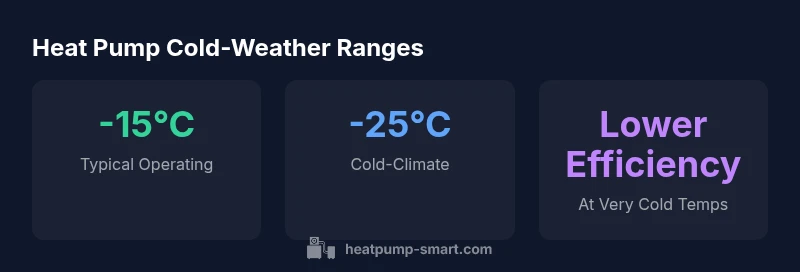
What temp do heat pumps stop working? The short answer: temperatures don’t render a heat pump useless; many air-source models continue to operate in cold conditions with reduced efficiency. Standard systems typically work down to about -15°C (5°F), while certain cold-climate models can operate to -25°C (-13°F) or lower, though performance and defrost cycles shift. Check your exact unit’s rated operating range.
Understanding Temperature Thresholds
Understanding temperature thresholds begins with the fact that heat pumps rely on outdoor air temperatures to extract heat. In winter, outdoor air is cold, but the system can still operate, albeit with changing efficiency and sometimes a reliance on auxiliary heat. According to Heatpump Smart, temperature thresholds are not universal; they depend on the specific model, refrigerant charge, airflow, and defrost strategy. When homeowners ask what temp do heat pumps stop working, the answer isn’t a single number. Instead, most air-source heat pumps continue to function in cold weather with performance gradually changing as temperatures fall. The key is to know your unit’s rated operating range and what happens when you approach its limits.
What Temperature Do Heat Pumps Stop Working?
There isn’t a universal cutoff. For many standard air-source heat pumps, usable operation begins to shift noticeably as temperatures drop: typical units commonly operate down to around -15°C (5°F). Cold-climate variants can often perform at -25°C (-13°F) or lower, though this usually comes with reduced efficiency and a greater reliance on supplemental heat. Always verify the exact operating range in your equipment’s documentation, and remember that ambient conditions, humidity, and wind chill can influence real-world performance.
How Cold Weather Impacts Performance
Colder outdoor temperatures lower the heat pump’s heat output relative to the heating load, which means the system often works longer to maintain indoor comfort. This can raise electricity usage and increase the time the compressor runs. Additionally, low temperatures can complicate the defrost cycle, briefly reducing heating capacity and increasing cycling. In practice, a drop in COP (coefficient of performance) is common, but advances in inverter technology and refrigerant design have mitigated much of the severity. The net result is that you still get heat, just at a higher cost per degree and with more attention to maintenance.
Model Variability: Standard vs Cold-Climate
Not all heat pumps are created equal. Standard air-source models prioritize efficiency at moderate temperatures and may require supplemental heat at very cold conditions. Cold-climate models incorporate features like enhanced low-temperature operation, improved refrigerants, and more aggressive defrost strategies, enabling operation at much lower outdoor temperatures. If you live in a region with harsh winters, a cold-climate model can maintain comfort longer, but you should still plan for backup heat and potential run-time increases during peak cold spells.
Practical Tips to Keep Heat Pumps Running in Winter
- Maintain clean outdoor coils: Snow, ice, and dirt reduce heat transfer. Gently clear obstructions without damaging fins.
- Clear the area around the outdoor unit: Leave at least 2 feet of clearance on all sides, and ensure it isn’t blocked by snow piles.
- Schedule proactive maintenance: Have a technician inspect refrigerant charge, filter cleanliness, and the defrost sensor before the coldest months arrive.
- Optimize thermostat strategy: Use setback schedules that align with occupancy to minimize unnecessary run-time without sacrificing comfort. Consider a smart thermostat with outdoor-temperature integration.
- Consider backup heat options: For very cold climates, plan for auxiliary heat (electric resistance or a secondary heat source) during extreme cold snaps to prevent failure during peak demand.
Reading Specs and Planning for Extreme Cold
Reading the equipment spec sheet is essential to understanding your system’s limits. Look for the operating temperature range (often labeled as
). The rest of the guide emphasizes the importance of confirming the operating range for winter planning and recognizing that some regions may require more robust backup heating strategies.
Real-World Scenarios: Common Winter Conditions
Consider three typical winter scenarios to gauge when you might need backup heat. In light snow with moderate wind, a standard ASHP may maintain comfortable indoor temperatures if it’s well-insulated. In subfreezing conditions around -15°C to -25°C, expect longer cycling and possible reliance on auxiliary heat. In extremely cold snaps, even with a cold-climate model, efficient operation can be challenged, making a well-planned backup heat option and proper thermostat control crucial for maintaining comfort without overloading the system.
Operating ranges for common heat pump types
| Model Type | Operating Range (°C) | Notes |
|---|---|---|
| Air-source standard | -5 to 35 | Good for mild climates; efficiency declines as temps drop |
| Cold-climate ASHP | -25 to 40 | Designed for cold weather; may rely on supplemental heat |
| Geothermal heat pump | -20 to 60 | Not affected by outdoor air temps; different operating principle |
Your Questions Answered
Do all heat pumps stop working at very low temperatures?
No. Most heat pumps continue operating in very cold weather, but efficiency and output trend downward and backup heat may be needed during extreme conditions. Always check the unit’s operating range in the manual.
Most heat pumps keep running in the cold, but performance drops and backup heat may be needed in extreme cold.
What temperatures are typical for standard vs cold-climate heat pumps?
Standard ASHPs commonly operate down to about -15°C, while cold-climate models can often reach -25°C or lower, with the caveat that efficiency declines as it gets colder.
Standard units usually go down to around -15°C; cold-climate models can go lower, but efficiency drops.
Can heat pumps run in below-freezing temps without supplemental heat?
Some models are designed for sub-freezing operation, but many will still benefit from supplemental heat during deep cold spells to maintain comfort and efficiency.
Some models handle cold weather, but supplemental heat is often helpful in deep cold.
What signs indicate my heat pump is struggling in cold weather?
Longer runtimes, frequent cycling, icing on the outdoor coil, or sudden spikes in energy use can indicate the system is working harder than expected in cold weather.
Look for longer runtimes, icing, or sudden energy spikes.
Should I use backup electric heat in winter?
Backup heat can improve comfort when outdoor temps plummet, but it increases operating costs. Use it strategically during the coldest periods and rely on the heat pump for the rest of the time.
Backup heat helps during very cold spells but costs more; use it when needed.
How can I improve performance in cold weather?
Ensure proper maintenance, spacer and insulation around the home, and a well-sized system. A programmable thermostat and setting strategies also help minimize unnecessary run-time and energy use.
Keep up with maintenance, insulate well, and optimize thermostat settings.
“"Cold-weather performance hinges on the model’s design and control strategy. Even within the same climate, real-world results depend on installation quality and thermostat strategy."”
Top Takeaways
- Know your model's rated operating range
- Expect efficiency decline in cold weather
- Plan for backup heat in extreme cold
- Keep outdoor unit clear and well insulated
- Regularly check defrost cycles