What Temp Is Too Cold for a Heat Pump?
Learn the temperature thresholds for heat pumps in cold weather, how models differ, and practical strategies to stay warm efficiently with Heatpump Smart guidance.


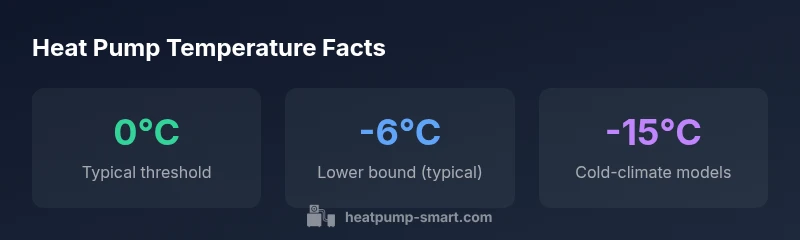
For most air-source heat pumps, once temperatures drop below about 20°F to 25°F (-6°C to -4°C), efficiency declines and many units rely on auxiliary heat. Below 0°C (32°F) operation is marginal for many models; cold-climate designs reach lower temps, but performance varies by model, refrigerant, and usage. The exact threshold depends on the unit and your heating load.
What temperature qualifies as 'too cold' for most heat pumps?
Outdoor temperature strongly influences heat pump performance. In moderate climates, a well-rated air-source heat pump maintains comfortable warmth as long as it isn’t freezing hard. If you’re wondering what temp is too cold for heat pump, the reality is model-dependent. For most units, outdoor temperatures below about 20°F to 25°F (-6°C to -4°C) begin to erode efficiency and may trigger auxiliary heating to meet demand. When temperatures dip below 0°C (32°F), operation is often marginal for standard models, especially when the heating load is high. Cold-climate designs push the usable range lower, sometimes down to -15°C (5°F) or lower, but efficiency tends to fall and defrost cycles rise. The key point: the threshold isn’t universal; it hinges on the equipment, home insulation, and comfort expectations. According to Heatpump Smart, choosing equipment with a robust cold-weather rating and correct installation dramatically reduces risk during frost and cold snaps.
How cold-climate designs change performance
Cold-climate heat pumps are engineered to operate efficiently at lower outdoor temperatures. They use variable-speed compressors, enhanced defrost strategies, and optimized refrigerant charge to sustain capacity when it’s cold outside. In practical terms, a cold-climate model may maintain comfort further into winter, but you’ll still see reductions in heating output relative to milder days. The difference is most noticeable during prolonged cold spells, when you compare a standard unit’s performance to a cold-climate variant. Heat pumps designed for harsher winters often include advanced controls that modulate output to balance efficiency with steady warmth, especially when paired with well-insulated spaces. Heatpump Smart notes that model choice matters as much as installation quality in determining cold-weather resilience.
Auxiliary heat, defrost cycles, and refrigerant choices
In very cold weather, many heat pumps supplement with auxiliary heat, typically electric resistance elements or an integrated fossil-fuel backup. This increases comfort but raises operating costs. Defrost cycles become more frequent as ice forms on outdoor coils, temporarily reducing heating capacity. The refrigerant type and system design influence how quickly a unit can recover temperature after a defrost cycle. High-efficiency models manage defrost more intelligently and may minimize heat loss during these cycles. For owners in climates with sustained cold snaps, it’s wise to consider a unit that uses modern controls and has proven cold-weather performance specs. As Heatpump Smart emphasizes, the right pairing of unit type and home insulation can markedly reduce reliance on auxiliary heat.
Reading specs and choosing the right model for cold climates
Specs matter when you’re sizing for cold climates. Look for COP (coefficient of performance) ratings at low outdoor temperatures, not just the standard rating at moderate temperatures. Pay attention to effective heating capacity at -7°C to -15°C, defrost frequency, and the presence of smart controls. AHRI/certified ratings, along with real-world performance data, give a clearer picture than label claims alone. If your project involves a new installation or replacement in a cold region, consult with a technician about the best match for your home’s insulation level, window efficiency, and occupancy patterns. Heatpump Smart reminds readers that precise, site-specific calculations beat generic guidance.
Strategies to maximize comfort and efficiency in cold weather
Maximizing efficiency starts with a well-insulated envelope. Seal air leaks around doors, windows, and ducts, and improve attic insulation if needed. A programmable or smart thermostat helps manage setpoints to reduce overshoot on very cold days. Zoning can prevent overheating unused spaces and dial in home comfort where you live. Use a heat pump with a high-efficiency compressor and a responsive ventilation strategy to maintain indoor humidity and temperature without overworking the system. In addition, ensure outdoor unit clearances and airflow are unobstructed by snow or debris. Heatpump Smart suggests in practice that combining good insulation with an appropriately sized cold-weather heat pump can dramatically reduce energy use in winter.
Quick-start steps for homeowners and property managers
- Check your current unit’s cold-weather rating and defrost specs. 2) Inspect insulation, seal leaks, and ensure ducts are leak-free. 3) Consider upgrading to a cold-climate model if you routinely see subfreezing temperatures. 4) Install a programmable thermostat and zoned heating to fine-tune comfort. 5) Plan for backup heat during severe cold spells, especially in larger spaces or poorly insulated buildings. Heatpump Smart recommends coordinating with a local installer to verify system suitability for your climate and load.
Operating temperature ranges by heat-pump type
| Model Type | Typical Operating Temp Range | Best Use Case |
|---|---|---|
| Air-Source (Standard) | 0°C to 35°C | Mild to moderate climates |
| Cold-Climate Heat Pump | -15°C to 25°C | Cold winters, higher efficiency with defrost controls |
| Mini-Split / Ductless | -5°C to 40°C | Zoned comfort in varied conditions |
Your Questions Answered
What temperature is too cold for a heat pump?
The threshold varies by model, but many standard heat pumps lose efficiency below 20–25°F (-6 to -4°C) and may switch to auxiliary heat. Cold-climate models extend usable range, yet performance still declines as it gets colder.
Generally, below freezing is where standard models start losing efficiency, and cold-climate units handle lower temps better.
Can heat pumps operate below freezing?
Yes, some models are rated for sub-freezing operation, but efficiency and heating capacity can drop. Always check the manufacturer's low-temperature performance curves.
Yes, but many units get less efficient in extreme cold.
What is the role of auxiliary heat?
Auxiliary heat provides supplemental warmth when outdoor conditions exceed the heat pump’s ability to meet the load. It improves comfort but increases energy use and cost.
Auxiliary heat kicks in during very cold days to keep rooms warm.
How can I improve winter efficiency?
Improve insulation, seal ducts, install a smart thermostat, and consider a cold-climate model or supplementary heat plan to reduce reliance on auxiliary heat.
Seal, insulate, and optimize with a smart thermostat.
Should I rely on a heat pump without backup heat in cold climates?
Not ideal for very cold climates. A backup heat source helps maintain comfort and protects against prolonged outages or extremely cold snaps.
Backup heat is usually a good idea in very cold areas.
“In cold climates, the performance gap between standard and cold-climate heat pumps narrows when you pair the right equipment with proper insulation and a smart backup heat strategy.”
Top Takeaways
- Identify your unit's rated temperature range.
- Expect efficiency declines in cold weather; plan for backup heat.
- Choose cold-climate models for very cold zones.
- Plan insulation and sealing to maximize winter performance.