What Temperature Does a Heat Pump Produce? A Practical Guide
Discover how heat pumps heat homes, the typical delivery temperatures, how outdoor weather affects output, and practical tips to boost comfort and efficiency.


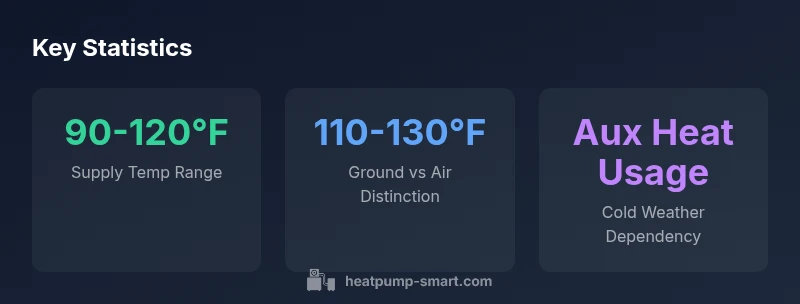
What temperature does a heat pump produce? The delivered air temperature varies with outdoor temperature, system type, and settings. In heating mode, typical supply air runs around 90-120°F (32-49°C) in moderate climates, rising when demand is higher or auxiliary heat is engaged. The exact temperature isn’t fixed; it adapts to conditions and comfort targets.
How heat pumps deliver heat: the basic idea
A heat pump doesn't generate heat itself; it transfers heat from an external source into your home. So, what temperature does a heat pump produce? The answer isn’t a fixed number. It depends on outdoor conditions, the mode you select, and the indoor temperature you set. In heating mode, the system increases indoor air temperature by moving heat from outside air or the ground into the living space. The air temperature you feel at the vents is a function of several factors, including the refrigerant cycle, airflow, duct design, and the current load. In moderate climates with good insulation, you’ll typically see supply air in the 90–120°F range (32–49°C). If the house is well-sealed and the thermostat calls for more heat, the output can rise, especially when auxiliary or emergency heat kicks in. The key takeaway is that the temperature is dynamic and aimed at meeting the setpoint while balancing efficiency and comfort.
Core factors that determine delivery temperature
Several variables shape the exact temperature your heat pump delivers. First, outdoor temperature matters: as it cools, the heat pump must work harder to extract heat, which can influence the temperature of the air delivered indoors. Second, the thermostat setpoint and outdoor humidity can affect perceived warmth and how the system modulates compressor speed and fan rate. Third, system design and airflow play a role: properly sized equipment and unobstructed ducts help the unit reach the target temperature more consistently. Fourth, defrost cycles in winter can briefly alter the balance between heating output and efficiency. Finally, the refrigerant charge and compressor efficiency limit the maximum deliverable temperature. Understanding these factors helps homeowners set realistic expectations and optimize comfort.
Climate-based ranges: what to expect in different environments
Temperature outputs are not the same in every climate. In mild environments (outdoor temps typically above freezing), a heat pump commonly delivers supply air around 95–115°F, sometimes higher when demand is strong. In cooler climates (outdoors between 0 and 40°F), you may see lower ranges like 85–110°F, with occasional spikes if the system uses more auxiliary heat. In very cold climates (below freezing), the core heating output might rely more on auxiliary heat, yet the system can still maintain comfort around 90–120°F for practical warmth. These ranges are general guidelines; actual performance depends on insulation, air sealing, thermostat settings, and the presence of any supplemental heat sources.
System types and their temperature profiles
Different heat pump configurations produce different temperature profiles. Air-source heat pumps (ASHP) typically provide a wider swing in supply temperature, often in the 90–120°F range, and can be more variable during heavy load or defrost cycles. Ground-source heat pumps (GSHP) usually offer steadier temperatures, often around 110–130°F, because the ground temperature is more stable than outdoor air. Hybrid systems, which pair a heat pump with a traditional furnace, can deliver 100–140°F when the heat pump is assisting a higher-heat demand while the auxiliary furnace is ready to take over when outside conditions worsen. The choice affects comfort, energy use, and the need for backup heat.
Practical steps to optimize temperature and comfort
To maximize comfort and minimize energy use, start with a properly sized system and a well-calibrated thermostat. Set your indoor target to a comfortable range (for many homes, 68–72°F when occupied, adjusted for personal preference). Use zoning to direct warmth where it’s needed, rather than relying on a single-level temperature. Ensure your heat distribution paths are unobstructed—clean filters, clear return vents, and sealed ducts improve both temperature consistency and efficiency. Consider programmable or smart thermostats that adapt to occupancy patterns and weather forecasts. Finally, maintain the system: regular filter changes, annual professional check-ups, and refrigerant charge inspections help the unit achieve its designed temperatures more reliably.
Defrost cycles and backup heating: what happens to temperature
Defrost cycles are essential for preserving efficiency in winter but temporarily reduce heating output. During defrost, the outdoor coil switches to a mode that removes frost, which can lower indoor supply temperature briefly. A well-designed heat pump balances defrost with staged heat delivery so you don’t experience dramatic drops in comfort. If you live in a climate where subfreezing temperatures are common, many systems integrate auxiliary heat to supplement the heat pump during cold snaps. This keeps temperatures steady even when the outdoor unit is in defrost and temporarily less able to extract heat from cold air.
Measuring at home: quick test and best practices
A simple at-home test can give you a rough sense of your system’s temperature delivery. With the thermostat set to a comfortable temperature and the system running, use a meat or room thermometer to sample air near the supply vent a few minutes after the system stabilizes. Compare the measured vent temperature with the thermostat setting to gauge how closely your system tracks the target. If you notice a persistent gap—especially during peak cold—schedule a service visit to verify refrigerant charge, airflow, and duct performance. Keep in mind that outdoor conditions, time of day, and occupancy can all influence perceived warmth; use this test as a snapshot, not a sole diagnostic.
When to talk to a pro or upgrade
If your heat pump often struggles to reach comfortable temperatures, investigate potential issues: improper sizing, refrigerant leaks, dirty coils, or faulty defrost controls can all reduce output. A professional assessment can determine whether a tune-up, a refrigerant recharge, or improvements to insulation and duct sealing are warranted. For homes in genuinely cold climates, you might consider a hybrid approach (heat pump plus auxiliary furnace) or a GSHP upgrade to maintain stable temperatures during the coldest months. Upgrading can lead to more predictable delivery temperatures and better overall efficiency, enhancing both comfort and energy savings over time.
Temperature profiles by heat pump system type
| System Type | Typical Heating Supply Temp Range | Notes |
|---|---|---|
| Air-source heat pump | 90-120°F | Output varies with outdoor temp and load |
| Ground-source heat pump | 110-130°F | Generally steadier due to stable ground temperature |
| Hybrid system | 100-140°F | Auxiliary heat activates at very cold temps |
Your Questions Answered
What temperature range can I expect from my heat pump in heating mode?
Most air-source heat pumps deliver 90-120°F of supply air in moderate climates; performance depends on outdoor temperature, system design, and thermostat settings.
In typical climates, you’ll usually see supply air around ninety to one-twenty degrees Fahrenheit.
How does outside temperature affect heat pump output?
As outdoor temperatures drop, heat pumps rely more on ambient heat and may reduce supply temperature unless auxiliary heat is used. Efficiency also shifts with weather.
Colder weather makes heat pumps work harder, so you may notice less heat unless you have backup heat.
Do all heat pumps have the same temperature output?
No. Output varies by system type (air-source vs ground-source vs hybrid), outdoor temperature, and defrost cycles.
Not all heat pumps behave the same—output varies with climate and setup.
Is it safe or efficient to run a heat pump at the maximum temperature setting?
Running at the maximum setting isn’t always more comfortable or efficient. Use reasonable setpoints (e.g., 68–72°F) and adjust gradually.
Don’t blast it to the max—set a comfortable temp and let the system work.
When should I add auxiliary or backup heat?
Use auxiliary heat in very cold weather or during rapid temperature drops to maintain warmth. It increases comfort but uses more energy.
In very cold days, enable backup heat to keep rooms warm.
“Temperature behavior varies with climate; optimizing the system improves comfort while lowering running costs.”
Top Takeaways
- Temperature output is not fixed; it adapts to conditions and settings
- Outdoor temperature, insulation, and airflow shape delivered warmth
- Different systems have distinct temperature profiles and stability
- Auxiliary heat improves comfort in cold weather but can raise running costs
- Regular maintenance helps sustain consistent, efficient heating