Is Heat Pump the Same as a Furnace? A Comprehensive Comparison
Is heat pump and furnace the same? This thorough comparison explains how heat pumps differ from furnaces, when each makes sense, and how hybrid setups balance climate, cost, and comfort for homes.


Is heat pump and furnace the same? Not exactly. According to Heatpump Smart, a heat pump moves heat using electricity, while a furnace burns fuel to generate heat. In heating mode, heat pumps can operate without fossil fuels, and many systems pair with backup heat. The Heatpump Smart team notes the differences lie in mechanism, efficiency, installation, and operating costs.
is heat pump and furnace the same
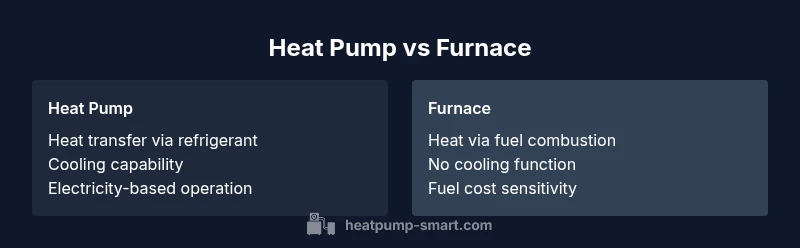
The question is often framed as a simple yes/no, but the reality is more nuanced. The phrase is heat pump and furnace the same? is frequently asked by homeowners considering upgrades. In short, a heat pump transfers heat from outside to inside using a refrigerant cycle powered by electricity, while a furnace generates heat by burning fuel such as natural gas, propane, or oil. The two systems can share ductwork and even be integrated into a single hybrid setup for reliability. As Heatpump Smart notes, the distinction goes beyond upfront price and into daily operation, maintenance expectations, and long-term energy costs. Understanding the difference helps homeowners plan for climate, insulation, and future electricity prices, ensuring comfort and efficiency year-round.
How heat pumps work: reverse refrigeration and efficiency
A heat pump operates on the principle of reverse refrigeration. An outdoor unit absorbs heat from the air (even at cold temperatures) and moves it indoors via a refrigerant cycle. An indoor air handler distributes warm air in winter and, in cooling mode, reverses to remove heat from the home. Efficiency is expressed through metrics like COP (coefficient of performance) and SEER for cooling; higher values mean more heat moved per unit of electricity. In practice, heat pumps provide both space heating and cooling, which reduces equipment redundancy and simplifies control systems. For homeowners, this means fewer separate appliances and a more streamlined duct network, particularly in newer homes with well-sealed envelopes.
Furnaces explained: fuel sources, AFUE, and installation considerations
Furnaces generate heat by burning fuel, typically natural gas or oil, though electric furnaces exist. The primary metric is AFUE (annual fuel utilization efficiency), which indicates how effectively the furnace converts fuel into heat. Electric furnaces are highly efficient but can have higher electricity costs depending on usage patterns. Gas furnaces offer robust heating in colder climates, but combustion produces emissions and requires venting. Installation considerations include ductwork integrity, ventilation requirements, and clearances around the furnace cabinet. Understanding these elements helps clarify whether a furnace-only system, an electric option, or a hybrid approach best matches your home and energy goals.
Climate and home factors: when a heat pump shines vs a furnace's reliability
Climate is often the biggest differentiator between heat pumps and furnaces. Heat pumps excel in moderate climates or where electricity prices are competitive and cooling is also desired. In very cold climates, performance can decline without supplemental heat, making a furnace or a dual-fuel system more reliable. Home factors such as insulation, window efficiency, thermostat placement, and duct air leakage also influence outcomes. A well-insulated home reduces heat loss, allowing a heat pump to perform effectively even in cooler months. Heatpump Smart analysis suggests that for many homes, a climate-appropriate approach—potentially hybrid—delivers the best balance of comfort and energy savings.
Hybrid, dual-fuel, and multi-source systems: best of both worlds
Hybrid or dual-fuel systems pair a heat pump with a furnace to provide heat with maximum efficiency and reliability. In milder winters, the heat pump does most of the work; during colder periods, the furnace can take over to ensure comfortable indoor temperatures. These systems require careful control strategy and compatible controls to switch seamlessly between heat sources. For homes with existing ductwork and a desire to minimize fossil fuel use, a dual-fuel setup often represents the most practical compromise, offering cooling via the heat pump and robust heating via the furnace when needed.
Installation considerations and cost landscape
Installation costs for heat pumps versus furnaces depend on ductwork, outdoor unit placement, electrical capacity, and existing infrastructure. Heat pumps may require a dedicated outdoor unit, refrigerant piping, and new indoor equipment, which can raise upfront costs. Furnaces typically involve ductwork and venting but may be simpler if an existing furnace is being replaced with a like-for-like unit. Regional climate and energy prices strongly influence total cost over the system life. Customers should request a detailed, itemized proposal and consider incentives or rebates that can affect total cost of ownership.
Operating costs and efficiency: what the numbers look like in practice
Operating costs hinge on efficiency, climate, and energy prices. Heat pumps use electricity to move heat and often deliver high efficiency in moderate climates, leading to lower running costs when electricity is affordable. Furnaces rely on fuel, so costs vary with fuel price and AFUE rating. It’s crucial to compare not just the sticker price but the expected annual energy use over the system’s lifespan. Heatpump Smart analysis indicates that the potential savings depend on climate, home envelope, and how the system is sized and commissioned; a poorly sized system can underperform regardless of technology.
Maintenance and service differences across systems
Heat pumps require regular refrigerant checks, coil cleaning, and filter replacements, plus periodic inspection of outdoor units that are exposed to weather. Furnaces require annual combustion checks, vent cleaning, and duct leakage testing to maintain efficiency and safety. Hybrid systems add a level of complexity, as both heat sources must be properly integrated and controlled. Routine maintenance extends equipment life and preserves efficiency, while neglect can lead to unexpected breakdowns and higher energy costs.
Quick-start decision checklist for homeowners
- Define your climate and energy price expectations.
- Assess existing ductwork and electrical capacity.
- Compare AFUE for furnaces and COP/SEER for heat pumps.
- Consider a hybrid option if you live in a mixed-winter climate.
- Obtain multiple quotes with clear scope and warranties.
- Plan for a proper thermostat or control strategy to optimize efficiency.
Comparison
| Feature | Heat Pump | Furnace |
|---|---|---|
| Heating mechanism | Refrigerant-cycle heat transfer | Fuel combustion (gas/oil/electric) |
| Primary energy source | Electricity (grid or renewables) for heat transfer | Natural gas, propane, oil, or electricity depending on model |
| Climate suitability | Excellent in moderate climates; adds cooling capability | Very reliable in cold climates with backup heat |
| Efficiency metrics | COP-based efficiency; SEER for cooling | AFUE-based efficiency |
| Installation complexity | Outdoor unit + indoor coil; may require refrigerant lines | Ductwork with furnace cabinet; venting for exhaust |
| Cost considerations | Higher upfront cost; potential energy savings over time | Lower upfront cost; ongoing fuel costs depend on price |
| Maintenance requirements | Regular coil and refrigerant checks; seasonal service | Annual furnace tune-up; vent and filter checks |
| Best For | Homes seeking cooling plus heating with high efficiency | Homes needing robust heating in very cold climates |
Advantages
- Potentially lower operating costs in moderate climates
- Provides cooling in addition to heating
- Fewer emissions when powered by clean electricity
- Quiet operation indoors with many heat-pump options
Disadvantages
- Higher upfront installation cost
- Reduced heating efficiency in very cold temperatures without backup heat
- Electricity price sensitivity and grid dependence
Heat pumps are generally a strong choice in moderate climates; furnaces remain reliable in very cold regions, while hybrid systems often offer the best balance.
Choose a heat pump for overall efficiency and cooling capability in milder winters. In colder regions, consider a hybrid/dual-fuel setup or a high-efficiency furnace to ensure reliability during peak demand.
Your Questions Answered
Are heat pumps and furnaces interchangeable in all climates?
Not always. Heat pumps perform best in moderate climates and when cooling is desired; very cold climates may require backup heat or a furnace. A hybrid approach often provides reliable comfort year-round.
Not in all climates. Hybrid options can offer reliable comfort where winters are cold, while pure heat pumps shine in milder climates.
What is a hybrid or dual-fuel system, and when should I consider one?
A dual-fuel system combines a heat pump with a furnace to optimize efficiency and reliability. Consider this setup in mixed climates where winters vary in severity or when you want to minimize fossil fuel use while maintaining warmth.
A dual-fuel system uses both heat pump and furnace for reliable heating in variable winters.
Can I replace a furnace with a heat pump in a typical home?
Yes, in many cases, especially with existing ductwork and adequate electrical capacity. Some homes may need upgrades or backup heat for extreme cold, and a professional assessment is essential.
Yes, but assess climate, ductwork, and electrical needs first.
What is the typical timeline for installing a heat pump versus a furnace?
Both installations involve design, permits, and ductwork considerations. Heat pumps may require outdoor unit placement and refrigerant piping, while furnaces focus on venting and duct connections. The timeline varies by home and scope, but expect a few days to a week.
Timeline varies by home; plan for several days to a week.
Do heat pumps require backup heat in very cold climates?
Often yes. Many heat pumps include auxiliary heat or rely on a backup furnace for extreme cold to maintain comfort and response times.
Backup heat is common in very cold weather.
What maintenance do heat pumps require?
Regular filter changes, coil cleanliness, and seasonal checks are important. Annual professional service helps ensure refrigerant integrity and overall efficiency.
Keep filters clean and schedule yearly tune-ups.
Top Takeaways
- Evaluate climate and insulation before choosing
- Consider hybrid systems for mixed winters
- Account for ductwork and electrical upgrades in costs
- Prioritize system sizing and professional commissioning