Will Heat Pumps Work at 0 Degrees? A Practical Guide
Discover if heat pumps work at 0 degrees, how efficiency changes, and practical steps to optimize cold-weather performance and energy savings.


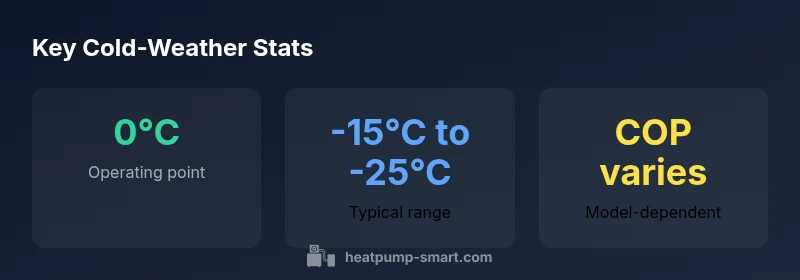
Yes, many air-source heat pumps can operate at 0 degrees Celsius, though efficiency falls and performance varies by model. Most units are rated to function down to roughly -15°C to -25°C, with a COP decline as outdoor temps drop. In very cold climates, auxiliary heat or a dual-system setup may be needed.
Understanding how heat pumps operate in freezing conditions
If you’re evaluating a heat pump in a cold climate, you might wonder will heat pump work at 0 degrees. The short answer is: most modern air-source heat pumps are designed to operate across a wide band of outdoor temperatures, including 0°C, but their efficiency and heat output shift as it gets colder. The primary mechanism remains the same: in heating mode, the outdoor coil extracts heat from the ambient air and uses that heat to warm indoors, while the indoor coil releases heat into the living space. At 0°C, the outside air still contains usable heat, but the amount available per unit of electricity is less than in milder weather, so the system works harder to maintain the same indoor temperature.
A critical factor is the refrigerant cycle’s Coefficient of Performance (COP). As outdoor temperatures fall, the COP typically decreases, which means your energy bills can rise slightly for the same comfort level. However, many units incorporate high-efficiency compressors, advanced refrigerants, and variable-speed fans that optimize operation at near-freezing temperatures. The Heatpump Smart team notes that this behavior is highly dependent on the specific model and installation quality, so selecting equipment with a favorable cold-weather rating is essential. In climates that regularly see subfreezing conditions, it can be advantageous to pair the heat pump with supplemental heat or a hybrid system to ensure consistent comfort during the coldest days.
Heat pumps remain a cornerstone of modern home comfort and energy savings, but no unit is a universal solution for every winter scenario. This guide prioritizes climate-appropriate selection, proper installation, and sensible backup strategies to make 0°C conditions manageable and efficient.
Cold-weather capability comparison
| Heat Pump Type | Cold-Weather Operating Range | Auxiliary Heat Needed |
|---|---|---|
| Air-source heat pump | -15°C to -25°C typical | Often required in extreme cold |
| Geothermal heat pump | -20°C to -25°C depending on coil design | Usually minimal auxiliary heat |
| Hybrid system (heat pump + furnace) | N/A | Backup heat may be used during cold snaps |
Your Questions Answered
Can a heat pump operate at 0 degrees Celsius?
Yes. Most modern air-source heat pumps operate at 0°C, but their efficiency and heat output decline as it gets colder. Availability of heat depends on model design, refrigerant, and defrost strategy. If you live in consistently subfreezing conditions, select a model with a proven cold-weather rating.
Yes, most heat pumps can operate at 0°C, though efficiency drops and certain models perform better than others.
What temperature do heat pumps stop heating effectively?
Most systems continue operating below freezing, but performance deteriorates as temperatures approach the lower end of the rated range (often around -15°C to -25°C for many units). At very cold times, backups or hybrids are used to maintain comfort.
They generally keep working below freezing, but efficiency drops and backup heat may be needed on very cold days.
How can I maximize cold-weather performance?
Choose a model with a strong cold-weather rating, ensure proper installation and insulation, schedule regular maintenance (filters, coils, and defrost coils), and consider a hybrid setup or auxiliary heat for peak cold snaps.
Pick a well-rated model, keep it well-maintained, and consider backup heat for very cold days.
Is a heat pump better than a furnace in cold weather?
In mild to moderate cold, heat pumps can be efficient and cost-effective. In extreme cold, a furnace or hybrid system may provide more reliable heating. Compare annual energy costs and peak-burst performance for your climate.
It depends on climate and usage; consider hybrid options for extreme cold.
What should I look for when buying a cold-climate heat pump?
Look for cold-weather performance ratings, defrost control quality, efficiency at low temperatures, capacity matching to your home, and compatibility with backup heat options.
Check cold-weather ratings and backup heat options before buying.
“Cold-weather performance is not a one-size-fits-all; match the heat pump to climate and ensure proper installation to maintain comfort and efficiency.”
Top Takeaways
- Know your climate: match cold-weather ratings to local winters
- Expect COP to dip at 0°C; plan for backup heat
- Consider hybrid systems for extreme cold days
- Optimize performance with proper installation and maintenance
- Choose models with defrost strategy suited to your climate