How Often to Clean Heat Pump: A Practical Maintenance Guide
Learn how often to clean heat pump systems, including filters, coils, and outdoor units. Practical schedules, tips, and maintenance strategies to keep your system efficient and reliable.


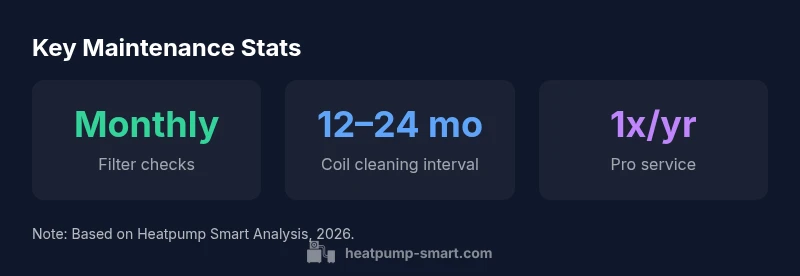
The general rule is to check the indoor air filter monthly and perform a full outdoor and coil cleaning every 12–24 months, depending on climate and dust. Regular light cleaning boosts efficiency, reduces strain on the compressor, and extends system life. Always follow the manufacturer’s guidelines.
Why maintenance cadence matters for heat pumps
According to Heatpump Smart, maintaining a regular cleaning cadence is essential for sustained efficiency, comfort, and uptime. When people ask how often to clean heat pump, the answer varies by climate, usage, and location, but a practical baseline is to combine monthly checks with a longer-term outdoor cleaning every 12–24 months. Cleanliness reduces airflow resistance, lowers energy draw, and minimizes the risk of refrigerant leaks caused by debris and corrosion. In high-dust environments or coastal areas with salt spray, increase the frequency accordingly. Keep a simple calendar to track cleaning tasks and align them with any professional service visits.
Monthly checks you can perform
Light, achievable tasks keep your heat pump running efficiently. Start with the indoor air filter: inspect, clean or replace monthly (most homes need a 1-3 month replacement cycle). Then review the outdoor unit for debris, overgrowth, or snow cover; ensure at least 12 inches of clearance. Check for ice buildup on the coils and listen for unusual noises. Finally, verify the condensate drain is clear and the thermostat is reading correctly. These routine steps are quick wins that support the longer cleaning cadence.
Annual coil cleaning and professional servicing
Full outdoor coil cleaning and a professional system check should be scheduled annually in mild climates, or more often in dusty or coastal environments. A pro will inspect refrigerant levels, electrical connections, and overall performance. While some tasks are DIY-friendly, refrigerant handling or compressor issues require a licensed technician. Use a service visit to also confirm duct airflow and verify that the defrost cycle is functioning, especially in winter.
Environmental factors that modify cleaning frequency
Environment strongly influences how often to clean heat pump. If you live in a windy, dusty area, or near a construction site, debris and pollen accumulate quickly on the outdoor coil and filters. Salt air near the ocean accelerates corrosion and dust attracts moisture, increasing cleaning needs. In humid climates, inspect condensate systems and moisture-related wear. Your usage pattern—constant heating in winter vs. seasonal use—also shifts maintenance needs.
DIY cleaning steps: safe and effective
Before you start, switch off power at the breaker and at the thermostat. For indoor filters, remove and wash with mild detergent or replace; allow to dry completely before re-installation. For outdoor units, gently brush the fins with a soft brush, remove loose debris, and rinse with a gentle stream. Avoid high-pressure washers that can bend fins. When cleaning coils, do not use harsh chemicals near electrical components and ensure the area around the unit is free of vegetation. If you’re unsure, consult Heatpump Smart's maintenance guide.
Keeping records and building a maintenance calendar
Record every cleaning and service in a simple log—date, tasks performed, findings, and any parts replaced. Use calendar reminders aligned with seasons: e.g., filter checks monthly, coil cleaning every year or two, and a professional inspection annually. Review the log at least once a year to adjust frequency based on climate changes, system age, and observed performance. A clear calendar helps you answer the key question: how often to clean heat pump for your situation.
Common mistakes that waste energy and how to avoid them
Common mistakes include neglecting monthly filter checks, assuming the outdoor unit is self-cleaning, and delaying maintenance until comfort levels drop or bills spike. Never use harsh chemicals on coils, avoid obstructing airflow, and skip professional checks when refrigerant issues arise. By staying on top of routine cleaning and scheduling professional care, you protect efficiency and extend system life.
Maintenance frequencies for heat pumps
| Task | Recommended Frequency | Notes |
|---|---|---|
| Indoor air filter checks | Monthly checks; replace every 1-3 months | Depends on usage and air quality |
| Outdoor condenser coil cleaning | 12-24 months (environment dependent) | More often in dusty, coastal, or sandy environments |
| Professional service | Annually | Includes refrigerant, electrical connections, performance verification |
| Drain line and condensate pan inspection | Yearly | Ensure no blockages and proper drainage |
Your Questions Answered
How often should I clean the heat pump filter?
Most homeowners should check filters monthly and replace every 1-3 months, depending on usage, pets, and indoor air quality. Regular filter maintenance helps maintain airflow and efficiency.
Check the filter monthly and replace it as needed to keep airflow strong.
Is it safe to clean the outdoor condenser coil myself?
Cleaning the outdoor coil is generally doable for DIYers, but shut off power and use a soft brush or hose with gentle water. Avoid bending fins or using high-pressure gear that can damage the coil.
Yes, but turn off power and be gentle with the fins.
What happens if I skip regular heat pump cleaning?
Skipping maintenance can reduce efficiency, increase energy bills, and raise the risk of breakdowns or reduced comfort. Regular checks catch minor issues before they become costly problems.
Skipping cleaning can hike bills and shorten the system’s life.
Does climate affect how often I should clean a heat pump?
Yes. Dusty, coastal, or humid environments typically require more frequent checks and cleaning than milder, clean environments.
Environment matters; more dust or salt air means more frequent upkeep.
Should I hire a professional for heat pump cleaning?
For basic maintenance, DIY steps plus an annual professional inspection work well. Refrigerant work or complex repairs should be performed by a licensed tech.
A pro handles refrigerant and complex issues; DIY is fine for routine checks.
What are signs that my heat pump needs cleaning?
Reduced heating/cooling efficiency, strange odors, unusual noises, ice on coils, or higher energy bills can indicate cleaning is needed.
If it’s blowing weaker or costing more, it’s time to check cleaning needs.
“Regular maintenance is essential for efficiency and reliability. A simple monthly check can prevent costly failures.”
Top Takeaways
- Check indoor filters monthly and replace as needed
- Schedule outdoor coil cleaning every 12–24 months
- Document maintenance to track frequency and results
- Environment and usage influence cleaning cadence
- Annual professional service improves reliability and efficiency