Pool Heat Pump Maintenance: Essential How-To Guide
Learn how to keep your pool heat pump running efficiently with a proven maintenance plan. This guide covers seasonal tasks, cleaning, safety, troubleshooting, and cost-saving tips for homeowners and property managers.


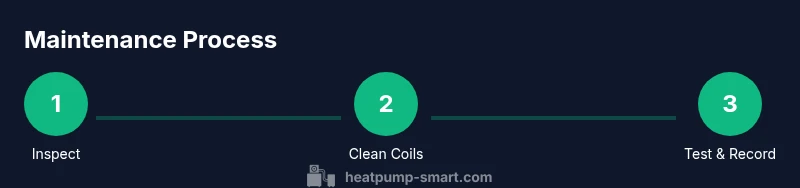
Maintain a pool heat pump to keep efficiency high and extend the unit's lifespan. Key steps include checking air filters monthly, cleaning coils quarterly, inspecting refrigerant lines for leaks, and testing controls and timers. Basic tasks require a few common tools and a steady approach. This simple routine can be done by homeowners with basic safety precautions.
What a pool heat pump maintenance plan covers
A well-planned maintenance routine for a pool heat pump focuses on protecting the compressor, ensuring efficient heat transfer, preventing corrosion, and extending system life. A typical plan includes cleaning and inspecting the outdoor unit, checking electrical connections, verifying refrigerant integrity, testing the thermostat and controls, and recording results for future reference. According to Heatpump Smart, regular maintenance helps keep running costs predictable, reduces energy waste, and minimizes unexpected breakdowns. This guide uses plain-language steps homeowners can perform safely before calling a professional for more complex tasks. The plan also accounts for seasonal changes: more attention is needed at the start of the pool season and after periods of inactivity.
Seasonal maintenance schedule
A practical schedule aligns with pool usage and local climate. Pre-season tasks focus on readiness: verify power, inspect wiring, clean filters, and review thermostat settings. Mid-season checks target efficiency and noise levels, with coil cleaning and filter replacements as needed. Off-season maintenance concentrates on protection from freezing conditions and reducing standby energy use. Heatpump Smart recommends documenting dates and outcomes to spot patterns and plan service ahead of major weather events. This cadence helps homeowners, builders, and property managers maintain consistent performance without waiting for a breakdown to act.
Cleaning and inspecting the outdoor unit
Begin by turning off power at the breaker to ensure your safety. Inspect the outdoor unit for debris such as leaves, grass, or dirt that can block airflow. Use a soft brush to remove buildup and gently wash fins with a garden hose on a low-pressure setting. Check the housing for signs of corrosion and confirm that the mounting pad remains level. Inspect electrical conduit and connections for signs of wear. A quick visual inspection can catch issues before they become costly repairs. Heatpump Smart highlights keeping the area around the unit clear for unobstructed airflow and routine cleaning as core maintenance practices.
Coil and heat exchanger care
Condenser coils accumulate dirt over time, reducing heat transfer efficiency. Clean coils using a soft brush and low-pressure water flow, taking care not to bend the delicate aluminum fins. If fins are bent, a fin comb can help restore airflow channels. After cleaning, inspect the heat exchanger for signs of scale or mineral buildup, especially in hard water areas. For saltwater or coastal environments, rinse the unit periodically to prevent corrosion. Regular coil care helps maintain steady heating performance and avoids undue cycling that wastes energy. Heatpump Smart emphasizes a gentle touch and avoiding high-pressure sprays near electrical components.
Airflow, defrost cycles, and smart controls
Efficient operation relies on adequate airflow across the outdoor coil and smooth defrost cycles in cold weather. Ensure the surrounding area is free from shrubs, mulch, and other obstructions. If you notice frost buildup or ice on the coil, consult the manual to understand the defrost sequence and adjust operation times. Verify that any smart thermostats or efficiency-enhancing controls are calibrated correctly and communicating with the heat pump. Smart controls can optimize run times, but improper settings lead to short cycling and wasted energy. Regularly review control logs for unusual patterns.
Electrical safety and wiring checks
Electrical integrity is critical for safe operation. With power off, inspect the disconnect switch, fuses or breakers, and wiring insulation for cracks or corrosion. Look for loose connections at terminals and tighten them as needed using the appropriate screwdriver. Use a multimeter to verify voltage readings match the unit’s specifications. If you detect signs of overheating, buzzing sounds, or tripped breakers, stop maintenance and consult a licensed technician. This phase reduces the risk of fire and equipment damage.
Filtration and water chemistry considerations
Pool water quality affects the entire system indirectly. Clean pool filters according to the manufacturer's schedule to maintain proper water flow, which supports heat transfer. Regularly test and balance pool chemistry—pH, alkalinity, and calcium hardness—to minimize scaling on the heat exchanger and improve efficiency. Ensure the circulation pump is operating correctly and that there are no air leaks in the suction lines. Maintaining clean water and steady flow helps the heat pump perform consistently without overworking.
Troubleshooting common performance issues
If the pool fails to reach set temperatures, check intake air availability and confirm the outdoor unit is not blocked. Listen for unusual noises that indicate fan motor issues or debris in the fan housing. Reduced heating efficiency can stem from dirty coils, poor filtration, or refrigerant leaks, which require professional assessment. Review the control panel for fault codes and consult the manual for code meanings. Document symptoms, dates, and any actions taken to support future service calls.
Winterization and off-season storage
In regions with freezing temperatures, winterizing the pool heat pump protects components. Clear debris from the unit, cover it with a breathable cover, and disconnect power if recommended by the manufacturer. Drain condensate lines if required and store pool equipment in a dry location. When reopening, inspect for corrosion, test controls, and verify that the refrigerant lines are intact. Proper winterization minimizes startup issues and reduces wear during seasonal transitions.
Pro tips to maximize efficiency and lifespan
- Schedule annual professional calibration and inspection even if you perform DIY maintenance. This helps catch issues outside typical homeowner checks.
- Keep the unit on a level, dry surface to prevent vibrations and motor wear.
- Use a timer-based schedule to prevent unnecessary running during peak sun or wind conditions.
- Maintain a maintenance log with dates, tasks, and observed anomalies to guide future service.
- Consider a protective screen or enclosure that allows airflow while shielding the unit from debris.
Documentation and records
Keep a centralized logbook or digital record of all maintenance activities. Note the date, tasks completed, parts replaced, readings from electrical tests, and any recommendations from technicians. Regular documentation helps you identify trends in performance and plan budget for upcoming service. A clear history also increases confidence when coordinating with property managers or insurance providers.
Tools & Materials
- multimeter(Check voltages and electrical connections per unit specs)
- coil cleaning brush(Gentle bristle brush to loosen debris from condenser fins)
- garden hose(Low-pressure spray to rinse coils without bending fins)
- fin comb(Straighten bent fins for better airflow pattern)
- soft cloth(Wipe down surfaces and dry connections)
- safety gloves(Protect hands when handling electrical components or sharp fins)
- screwdrivers (Philips and flathead)(Access electrical panels and connections)
- replacement filters(If inspection reveals dirty or degraded filters)
Steps
Estimated time: 60-120 minutes
- 1
Power down and safety check
Locate the main breaker for the pool heat pump and switch it to the OFF position. Verify no power is reaching the unit by testing a control panel light or a voltage tester. This prevents shocks and protects internal components while you inspect.
Tip: Always start with no power to avoid arc flash or shorts. - 2
Inspect and clean air filters
Remove the filter housing and inspect the filter for dirt and debris. If reusable, rinse with water and let dry completely before reinstalling. If disposable, replace with a compatible filter recommended by the manufacturer.
Tip: Clean or replace filters every 1-3 months during heavy use. - 3
Clean condenser coils
Gently brush away loose debris from the outdoor coil and rinse with a low-pressure water spray. Avoid a strong jet that could bend fins. Let coils dry before restoring power.
Tip: Take care not to damage fins; bent fins reduce airflow and efficiency. - 4
Check refrigerant lines and insulation
Visually inspect refrigerant lines for signs of oil residue, frost, or leaks. Ensure insulation is intact around exposed lines. Do not attempt to repair refrigerant leaks; schedule a pro if you observe any signs.
Tip: Leaking refrigerant requires professional handling due to safety and environmental regulations. - 5
Test controls and sensors
Turn the breaker back on and run a brief test cycle. Verify thermostat readings align with actual water temperature and that all safety switches engage as designed.
Tip: If readings are off, recalibrate or replace faulty sensors before regular use. - 6
Run a full cycle and observe
Let the system operate through a standard heating cycle and monitor for steady performance, consistent temperature rise, and normal noise levels. Stop the cycle if you notice abnormal sounds or overheating.
Tip: Document any anomalies for your next service appointment. - 7
Document results
Record the date, tasks performed, readings, and any parts used in your maintenance log. This creates a traceable history and guides future maintenance planning.
Tip: A well-kept log improves communication with professionals and managers.
Your Questions Answered
Do I need to turn off power before starting maintenance?
Yes. Always switch off the circuit at the breaker and verify there is no electrical power reaching the unit before beginning any inspection or cleaning.
Yes—power off first to stay safe and prevent shocks.
How often should coils be cleaned?
Coil cleaning should be performed every 3-6 months during active seasons or more often in dusty environments. Regular cleaning maintains heat transfer efficiency.
Clean the coils every few months during the season to keep efficiency high.
Can I use household cleaners on the coils?
Use only mild cleaners and water; avoid aggressive chemicals or high-pressure washing that can damage fins or seals. Always follow manufacturer guidance.
Avoid strong cleaners or high-pressure sprays on the coils—use mild water and a soft brush.
What indicates a refrigerant leak?
Indicators include oily residue at connections, frost or ice on coils, reduced heating performance, and hissing sounds. A professional assessment is required if leaks are suspected.
If you see oily residue or frost and performance drops, call a pro.
Is pool heat pump maintenance expensive?
Costs vary with scope, but routine tasks are generally affordable and can prevent expensive repairs. Budget for annual professional inspection in addition to DIY checks.
Maintenance is usually affordable and can save money by preventing major repairs.
Should I winterize my heat pump?
If you live in a climate with freezing winters or won’t use the pool for several months, winterizing is recommended. Use manufacturer guidance and protect the unit from snow and debris.
Yes, winterize if you won’t use the pool to protect the unit.
Watch Video
Top Takeaways
- Regular maintenance preserves efficiency.
- Address debris, leaks, and faults early.
- Document maintenance for ongoing reliability.
- Heatpump Smart recommends annual professional check.