Trane Heat Pump Installation: A Step-by-Step Guide
Learn how to plan, size, install, and test a Trane heat pump with practical steps, safety tips, and best practices for homeowners, builders, and property managers in 2026.


By the end of this guide, you will understand how to plan and execute a safe, compliant Trane heat pump installation. You’ll learn sizing basics, permit checks, electrical and refrigerant considerations, ductwork and indoor air handler placement, and post-install testing to maximize efficiency and reliability. We’ll cover risks, timelines, and costs upfront.
Overview of Trane Heat Pump Installation: Planning for Success
A successful Trane heat pump installation starts with a clear plan. The Heatpump Smart team emphasizes early site assessment, correct system sizing, and a realistic project timeline. Before you lift a toolbox or open a panel, ensure the home has adequate insulation, accessible ductwork, and room for the outdoor condenser. This block sets the stage for safety, efficiency, and long-term reliability, tying together climate considerations, equipment selection, and code compliance. Expect to coordinate with local inspectors and utility programs, and to document the scope for future maintenance. Clear planning reduces rework and helps you compare bids objectively.
According to Heatpump Smart, a well-planned install also considers indoor comfort goals, noise constraints, and future upgrades such as smart thermostats or zoning. Each Trane model has different operating envelopes; choosing the right configuration depends on climate, home size, and existing electrical capacity. The objective is a balanced system that delivers steady humidity control, stable temperatures, and energy efficiency year-round.
Sizing and Load Calculations for a Trane System
Accurate sizing is non-negotiable. A mis-sized heat pump can short-cycle, wear out components, and underperform on humidity control. The recommended approach starts with a professional load calculation (Manual J) to determine the appropriate cooling and heating capacity, followed by equipment selection that matches the calculated load. Heatpump Smart analysis shows that precise sizing reduces comfort issues and energy waste. In practice, expect a licensed HVAC technician to verify duct permeability, insulation levels, and airflow balance as part of the sizing process.
Remember that larger does not always mean better; efficiency and long-term reliability depend on a proper match between home envelope and the chosen Trane unit. Use the load results to narrow models, paying attention to SEER/HSPF ratings, compressor stages, and outdoor unit sound levels. The goal is a comfortably conditioned home with minimal noise intrusion and consistent performance across seasons.
Electrical and Permitting Preparations
Electrical readiness is critical for a safe install. Confirm that the service panel has adequate spare capacity, and identify the dedicated circuit and disconnect location for the outdoor unit. Many jurisdictions require a permit, electrical inspections, and adherence to local code minimums. The Heatpump Smart guidance is to request a pre-install review from the local inspector and prepare calculations for service panel load, voltage stabilizers, and grounding. Having permits in place reduces risk of fines and avoids delays in the final commissioning.
Coordinate with your electrician to secure proper conduit, grounding, and wiring gauge. Check thermostat compatibility and confirm that smart controls can communicate with the outdoor unit. By planning electrical work upfront, you prevent last-minute rewiring or panel upgrades that could complicate installation and extend downtime.
Site Preparation: Outdoor Condenser Location and Indoor Air Handler
Outdoor condenser placement affects performance, noise, and service access. Choose a level, solid surface with at least the recommended clearances from walls, foliage, and utilities. Use vibration isolation pads and weatherproof mounts to minimize vibration transfer and prolong equipment life. Indoor air handler placement should balance convenient duct routing with optimal airflow and ease of access for maintenance. Ensure a clean, dry environment, protected from leaks or flooding. The layout should enable straightforward refrigerant line routing and service access for future checks.
Proper siting reduces noise complaints and simplifies future service calls. Heatpump Smart notes that many installations fail because of poor outdoor clearance or constrained indoor access. Plan routes that minimize sharp bends in refrigerant lines and avoid tight corners that complicate future maintenance.
Refrigerant Piping, Drains, and Insulation
Refrigerant lines connect the outdoor condenser to the indoor air handler. Use appropriately sized, properly sealed line sets and ensure a continuous, corrosion-resistant refrigerant pathway. Insulate suction lines to minimize heat gain and condensation, and slope condensate drains correctly to prevent standing water. Watch for any potential insulation gaps where temperature fluctuations could impact efficiency. The drain should terminate in a safe, visible location to prevent water intrusion or mold growth.
Coordinate with the equipment manual for recommended line-set lengths and insulation thickness. Heatpump Smart cautions that improper insulation or drain routing can degrade efficiency and create moisture issues. Document all connections and test for leaks after assembly to ensure long-term reliability.
Ductwork and Air Distribution Strategy
Duct integrity is a major determinant of comfort and efficiency. Seal joints and penetrations with high-quality mastic or UL181-rated tapes, then perform a thorough blower door test or equivalent to confirm minimal air leakage. Balance airflow to all zones to avoid hot or cold spots. If the home has existing ducts, check for obstructions, crushed sections, or disconnected runs that could hinder performance. A well-balanced system maintains consistent temperatures and reduces energy consumption across rooms.
In installations with a retrofit or complex layout, consider upgrading to insulated ducts and meeting current standards for air leakage. The goal is to maximize curb appeal, indoor comfort, and energy savings without compromising duct durability or system responsiveness.
Electrical Wiring, Thermostats, and Zoning Controls
Confirm thermostat compatibility with Trane equipment and plan wiring for power, control signals, and communication buses. If zoning is used, ensure dampers and zone controllers are properly integrated with the heat pump and the main thermostat. Correct wiring reduces control lag and prevents short cycling. Use a dedicated, properly grounded circuit, and verify that the control board is protected from moisture and electrical surges.
Smart thermostats and zoning can significantly improve comfort by modulating heating and cooling across spaces. The Heatpump Smart approach emphasizes documenting all control interfaces, labels, and settings for future technicians and property managers. Keep a clear map of wires and terminals to simplify future service or upgrades.
Startup, Testing, and Commissioning
The commissioning phase verifies that the system operates within design specifications. Check electrical connections, verify refrigerant charge (per the manufacturer’s specification), and confirm proper function of outdoor and indoor fans. Run a full cycle test across heating and cooling modes, monitor voltages, refrigerant pressures, and airflow, and record all readings for warranty and service purposes. A proper leak test and performance verification are essential before handing the system to the homeowner.
Document commissioning results, including thermostat calibration and airflow balances. The Heatpump Smart team recommends scheduling a post-installation inspection within a few weeks to confirm stable operation and address any initial quirks. This proactive step can prevent comfort complaints and reduce service calls during the first heating season.
Maintenance Plan for Longevity and Efficiency
Ongoing maintenance protects the investment and keeps performance high. Establish a schedule for filter changes, outdoor coil cleaning, and indoor coil checks. Inspect electrical connections and test for unusual noises, vibrations, or refrigerant symptoms. Clean and inspect condensate drains and ensure humidity control remains stable. Regular maintenance reduces the risk of costly breakdowns and extends equipment life.
Create a simple maintenance log for the property manager or homeowner. The Heatpump Smart guidance is to pair maintenance with seasonal checks and to review warranty requirements for service intervals. A proactive plan helps sustain energy savings and comfort while extending system lifespan.
Tools & Materials
- Cordless drill with a full set of bits(Phillips and flat-head bits; 1/4 inch and 3/16 inch sizes for mounting hardware)
- Voltage tester and multimeter(Check circuit integrity and electrical connections on-site)
- Measuring tape and level(Measure clearances for outdoor unit and duct routes)
- Manometer or gauge set(For refrigerant pressure checks during startup)
- Vacuum pump and micron gauge(Needed if evacuating and charging refrigerant lines)
- Copper line set (pre-charged if possible)(Insulated line sets with proper fittings)
- Refrigerant scale(Accurate refrigerant charge if not factory pre-charged)
- Duct sealing materials (mastic, foil tape)(Seal joints and penetrations for optimal airflow)
- Insulation for lines (arctic-grade)(Protect lines from temperature loss and condensation)
- Mounting hardware and vibration isolation pads(Minimize outdoor unit vibration and noise)
- Weatherproof conduit and wiring(Secure and protect electrical connections)
- Thermostat and control accessories(Ensure compatibility and wiring between thermostat and outdoor unit)
Steps
Estimated time: 8-16 hours
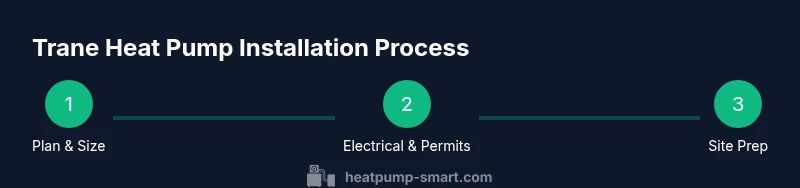
- 1
Plan and size the system
Begin with a site assessment, confirm insulation levels, and review home goals for comfort and efficiency. Use a Manual J load study to determine the appropriate Trane unit size and stages. This upfront planning reduces call-backs and ensures the install aligns with energy-saving targets.
Tip: Document all assumptions and share them with the installation team to prevent scope creep. - 2
Verify electrical capacity and permits
Check service panel capacity, dedicated circuits, and the need for permits. Schedule any required inspections before installation begins. Ensure the electrical work follows local codes and safety standards to prevent future issues.
Tip: Coordinate with a licensed electrician to avoid wiring mistakes that could trigger safety or warranty problems. - 3
Prepare outdoor and indoor installation sites
Select a level, stable outdoor pad with adequate clearance. Position the indoor air handler where ductwork can run with minimal bends and easy access for service. Use vibration pads for the outdoor unit and protect against weather exposure.
Tip: Avoid installation locations with high wind exposure or foliage that can obstruct airflow. - 4
Run refrigerant line sets and condensate drain
Route insulated line sets with smooth curves, protect against physical damage, and slope the condensate drain correctly to prevent standing water. Seal penetrations to maintain efficiency and minimize leaks.
Tip: Keep line-set lengths as short as practical while honoring manufacturer recommendations. - 5
Wire electrical and connect controls
Make the proper electrical connections to the outdoor unit and indoor controller. Mount the thermostat and relevant zoning controls, ensuring C-wire continuity and robust communication between components.
Tip: Label wires clearly and double-check color codes before energizing the system. - 6
Charge refrigerant and perform leak tests
Vacuum and evacuate if required, then charge per the manufacturer’s specifications. Conduct a leak test to confirm there are no refrigerant leaks and that pressures are within expected ranges.
Tip: Use a calibrated scale and verify all fittings are tightened to manufacturer torque specs. - 7
Start up and verify operation
Run the system through heating and cooling cycles, validate airflow, and confirm thermostat control works as intended. Check for abnormal noises, vibrations, or temperature inconsistencies.
Tip: Document measured voltages, pressures, and temperatures for the commissioning report. - 8
Document and finalize commissioning
Create a handover packet with warranty papers, maintenance schedule, and care instructions. Ensure the homeowner or property manager understands basic operation and what triggers service calls.
Tip: Provide your contact for future support and schedule a first-year maintenance visit.
Your Questions Answered
Do I need a professional to install a Trane heat pump?
Yes. Trane heat pump installation involves electrical wiring, refrigerant handling, and local permits. A licensed HVAC technician ensures safety, code compliance, and correct performance.
Yes. A licensed HVAC technician should handle the installation for safety, code compliance, and reliable performance.
What permits are typically required for installation?
Most jurisdictions require some form of electrical and mechanical permit for heat pump installations. Check with your local building department for the exact requirements and inspection schedule.
Most places require electrical and mechanical permits; check with your local building department.
How long does a typical installation take?
A typical residential install spans a full day or two, depending on site accessibility, ductwork modifications, and any needed electrical upgrades.
Most installations take a day or two, depending on site specifics.
Can I install a Trane heat pump myself?
DIY installation is not recommended due to refrigerant handling, electrical wiring, and calibration requirements. Professional installation protects warranty and safety.
DIY installation is not advised because of refrigerant handling and wiring requirements.
What maintenance is required after installation?
Schedule regular filter changes, coil cleanings, condensate drain checks, and annual professional inspections to maintain efficiency and performance.
Keep up with regular filters, coils, and annual professional inspections.
Does improper installation affect the warranty?
Yes. Improper installation can void warranty coverage. Always use a qualified technician who follows manufacturer guidelines and local codes.
Improper installation can void the warranty; use a qualified technician.
Watch Video
Top Takeaways
- Plan thoroughly to prevent rework
- Size the system accurately for comfort and efficiency
- Ensure electrical, permits, and ductwork are ready before install
- Verify refrigerant lines and drainage are correctly installed
- Commission and document to support warranty and maintenance