Ductless Heat Pump Repair: A Practical How-To Guide
Learn how to troubleshoot and repair ductless heat pumps with clear steps, safety tips, and when to call a pro. Heatpump Smart guides homeowners through practical checks for comfort and efficiency.


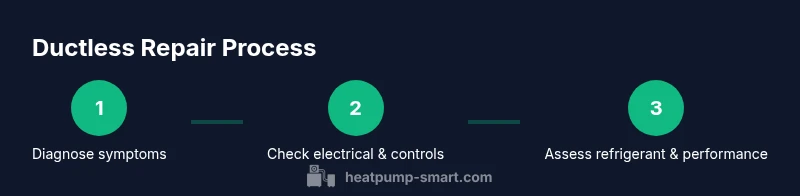
According to Heatpump Smart, ductless heat pump repair starts with a careful diagnosis of indoor heads, the outdoor unit, and refrigerant pathways. This step-by-step guide outlines practical checks, safety notes, and when to call a licensed technician to protect your system and your home comfort. Expect clear actions, safety reminders, and notes on common symptoms like low cooling performance, unusual noises, and ice formation.
Understanding Ductless Heat Pumps
Ductless heat pumps, also known as mini-splits, provide zoned heating and cooling without ductwork. Each indoor head is connected to a single outdoor condenser by a network of refrigerant lines. Because there are no ducts, performance hinges on balanced airflow, properly sized equipment, and correct refrigerant charge. Heatpump Smart emphasizes that regular maintenance helps sustain efficiency and comfort, especially in homes with multiple zones and varied occupancy. Typical symptoms of a problem include reduced cooling or heating, frost on the outdoor unit, and noisy operation from fans or compressors. A well-maintained ductless system can deliver precise temperatures in individual rooms while keeping energy use predictable.
In many homes, the most cost-effective repairs focus on airflow, electrical connections, and control settings before moving to refrigerant-related issues. Understanding how the components interact—the outdoor condenser, the indoor heads, the refrigerant lines, and the thermostat—will help you diagnose the problem without unnecessary steps. Throughout this guide, we’ll reference practical checks you can perform safely, and we’ll point out when professional service is needed to protect your warranty and household safety.
Common Repair Scenarios
Ductless heat pump repair often centers on symptoms that point to airflow, control signaling, or electrical faults. Common scenarios include: 1) Inadequate cooling or heating in some rooms while others perform normally, indicating a zoning or airflow obstruction; 2) Outdoor unit is dirty or blocked by debris, reducing heat transfer and efficiency; 3) Indoor heads show frost or ice at the coil, suggesting airflow or refrigerant issues; 4) Thermostat communication errors, miscalibrated setpoints, or unresponsive controls. Each scenario requires a slightly different approach, but many repairs share a focus on airflow, wiring, and verifying system codes. Heatpump Smart recommends documenting symptoms with dates and circumstances to help a technician diagnose quickly and accurately.
Understanding these patterns helps homeowners decide whether a DIY approach is viable or if professional service is warranted. When in doubt, prioritize safety and the system’s warranty terms. For most ductless repairs, the goal is to restore proper airflow, confirm electrical integrity, and ensure the control system is communicating correctly with the outdoor unit.
Safety First: When to Call a Pro
Electrical work, refrigerant handling, and complex compressor diagnostics carry real risks. If you notice exposed wiring, burnt smells, refrigerant hissing, or a tripped breaker that won’t reset, stop work immediately and contact a licensed HVAC technician. Even seemingly minor issues, like refrigerant leaks or a buzzing contactor in the outdoor unit, should be handled by a pro to avoid harm and ensure code compliance. The Heatpump Smart team emphasizes that attempting high-risk repairs without proper training can void warranties and create safety hazards for occupants. If your system is under warranty or involves refrigerant, professional service is the safest choice.
For homeowners who want to perform safe, low-risk checks, stick to basic inspections and maintenance tasks that don’t involve live electrical components or refrigerant handling. Always disconnect power before touching any part of the system, and never attempt sealed refrigerant work unless you are a licensed technician with the proper equipment.
Tools and Materials You’ll Need
Before starting, gather the essential tools to inspect and test a ductless heat pump. Common items include a Phillips and flat-head screwdriver, a digital multimeter, a non-contact voltage tester, a flashlight, a clean microfiber cloth for filters, and a gauge or leak detector (for licensed use only). Optional items like a garden hose, soft brush, and lint-free cloth can help remove debris from outdoor fins. For this guide, we’ll focus on basic maintenance and diagnostic checks that don’t require refrigerant handling. If you suspect a refrigerant issue, contact a licensed technician immediately. Regular maintenance and careful observations are key to preventing major repairs and preserving energy savings.
Step-by-Step Troubleshooting Essentials
This section outlines a practical path for identifying and addressing common ductless heat pump issues. It’s designed to be safe for homeowners who want to perform non-invasive checks and understand when to escalate to professional service. Remember to consult your system’s manual for model-specific details and warranty notes. We’ll use the term ductless heat pump repair throughout to keep your search aligned with expert guidance from Heatpump Smart.
Replacing a Faulty Component (When You Can)
Some ductless heat pump repairs involve replacing wearable or failing components such as contactors or capacitors in the outdoor unit, or fan motors and limit switches in indoor heads. These tasks often require specialized tools and electrical knowledge. If you’re comfortable with basic electronics and have the right safety equipment, you can replace non-hazardous parts following manufacturer instructions. For refrigerant-related components, valves, or seals, always call a licensed technician. Replacing a component without proper diagnostics can mask the root cause and lead to further damage.
Refrigerant Leaks: Identifying and Addressing
Refrigerant leaks are among the most serious issues a ductless heat pump can face. Look for oily residue on connections, ice on the outdoor coil, or a sudden drop in cooling performance, as indicators of a possible leak. Do not attempt to recover or recharge refrigerant yourself. Handling refrigerant requires certification and special equipment; incorrect handling can cause injury and environmental harm. If you suspect a leak, contact a licensed HVAC professional promptly. Early detection through routine maintenance reduces the risk of costly repairs and helps maintain efficiency.
Electrical and Control Checks
Electrical issues can manifest as intermittent cooling, erratic thermostat behavior, or a complete lack of response. Begin by turning off power, inspecting the disconnect switch, and checking fuses or breakers. Use a digital multimeter to verify voltage at the outdoor unit and ensure thermostat wiring is intact and properly connected. Look for loose terminals, corrosion, or melted insulation. Any suspicious signs warrant professional attention to avoid electrical shock or control failures.
Aftercare and Maintenance for Longevity
Regular maintenance is your best defense against ductless heat pump repair needs. Schedule seasonal inspections, clean or replace indoor air filters monthly, and keep the outdoor unit free of debris. Inspect the condensate drain to prevent overflow and ensure efficient humidity control. Use the thermostat to maintain moderate setpoints and avoid extreme temperature swings. If you notice lights on the control board blinking or unusual error codes, record them and consult a professional for a precise diagnosis.
Common Pitfalls and How to Avoid Them
Avoid jumping to conclusions based on a single symptom; multiple issues can mimic each other. Don’t ignore unusual noises, frost on the outdoor unit, or reduced airflow in some zones, as these can signal deeper problems. Never attempt refrigerant work without certification. Rely on a trained technician for refrigerant repairs or when in doubt about the system’s electrical and safety requirements.
Tools & Materials
- Safety gear (goggles and gloves)(Protects eyes and hands during inspections)
- Phillips screwdriver(Basic panel access)
- Flat-head screwdriver(Electrical terminals and covers)
- Digital multimeter(Verify voltage at outdoor unit and wiring)
- Non-contact voltage tester(Safe confirmation of live circuits)
- Clean microfiber cloth(Clean filters and panels without scratches)
- garden hose or spray bottle(Light cleaning of outdoor fins; avoid high pressure)
- Leak detector (for licensed use only)(Use only if you’re trained and authorized)
Steps
Estimated time: 60-90 minutes
- 1
Power down and safety check
Shut off power at the main breaker and the outdoor disconnect. Confirm absence of voltage with a non-contact tester before touching any wiring. This step reduces the risk of electric shock during inspection.
Tip: Lockout/tagout the disconnect if available to prevent accidental re-energizing. - 2
Inspect indoor heads and airflow
Check each indoor head for dust buildup, obstructions, and cleanable filters. Ensure louvers move freely and airflow isn’t blocked by furniture. Improved airflow often resolves reduced heating/cooling without component replacement.
Tip: Clean or replace filters monthly during peak seasons for best performance. - 3
Check the outdoor unit and lines
Look for debris, ice, or bent fins on the outdoor unit. Ensure the refrigerant lines are insulated and free of visible damage. Clear a two-foot clearance around the unit for proper operation.
Tip: Use a soft brush to remove debris; avoid using high-pressure water that can bend fins. - 4
Test thermostat communication
Verify that the thermostat is set to the correct mode and that the display responds to changes. If there are codes, note them and consult the manual or Heatpump Smart resources for meanings.
Tip: Reboot the thermostat if it’s connected to a Wi-Fi app; a simple reset can fix communication glitches. - 5
Inspect electrical connections and fuses
With power off, inspect contactors, fuses, and terminal screws for looseness or corrosion. Tighten loose connections to restore reliable signaling between components.
Tip: If any wiring looks damaged or burnt, stop and call a professional technician. - 6
Check for refrigerant issues visually
Look for signs of oil around connections or frost buildup along lines that could indicate a leak. Do not breach refrigerant systems; do not attempt to recharge refrigerant without proper certification.
Tip: Document any signs of a leak and contact a licensed pro promptly. - 7
Review control board codes
Note any blinking lights or error codes on the outdoor or indoor boards. Cross-reference codes with your unit’s manual to pinpoint the fault area.
Tip: If codes point to refrigerant or compressor, stop and call a pro. - 8
Decide on next steps
If basic checks restore performance, schedule routine maintenance. If issues persist or involve refrigerant/electrical panels, contact a qualified technician for a thorough diagnosis and repair.
Tip: Keep a maintenance log and plan a seasonal check with Heatpump Smart guidance.
Your Questions Answered
What does ductless heat pump repair involve?
Ductless heat pump repair involves diagnosing issues with indoor heads, the outdoor unit, and refrigerant pathways, then addressing airflow, controls, and electrical faults. It often starts with non-invasive checks before moving to more complex components.
Ductless heat pump repair involves checking heads, the outdoor unit, and controls, starting with safe, non-invasive steps before escalating to complex fixes.
Is DIY repair safe for ductless systems?
DIY repairs are best limited to simple, non-electrical tasks like cleaning filters and clearing debris. Electrical and refrigerant-related work should be handled by a licensed technician to avoid injury and warranty issues.
DIY tasks should be limited to simple cleaning; electrical and refrigerant work should be done by a licensed professional.
How can I tell if the problem is electrical?
Signs include breaker trips, no response from the thermostat, buzzing sounds, or flickering indicator lights. If you encounter these, shut down power and call a professional.
Look for trips, no response from the thermostat, or buzzing sounds, and contact a pro if you see them.
How often should I schedule ductless maintenance?
Aim for at least one professional check per year, plus monthly filter maintenance. Regular care helps prevent clogs, wear, and inefficient cooling.
Have a yearly professional check, and clean filters monthly to keep efficiency high.
What if I suspect a refrigerant leak?
If you suspect a refrigerant leak, contact a licensed HVAC technician immediately. Leaks require proper handling and can affect system performance and environmental safety.
If you suspect a leak, call a licensed technician right away; refrigerant work isn’t DIY-safe.
What are typical signs of a failing outdoor unit?
Common signs include reduced cooling, unusual noises, ice buildup, and frequent cycling. These can indicate airflow issues, electrical faults, or refrigerant problems that require diagnosis.
Watch for poor cooling, odd noises, or ice buildup on the outdoor unit, which may mean a deeper issue.
Watch Video
Top Takeaways
- Identify symptoms early to avoid bigger repairs
- Keep air paths clear and filters clean
- Know when DIY ends and pro help begins
- Document issues to aid diagnosis and maintenance
- Prioritize safety over speed