Heat Pump Keeps Turning On and Off: Troubleshooting Guide
Urgent, step-by-step troubleshooting for a heat pump that keeps cycling on and off. Learn safe checks, common causes, diagnostic flow, and when to call a pro for lasting comfort and energy savings.


Most likely, the cycling is caused by a thermostat issue or airflow restriction. Start with replacing or cleaning the air filter, lowering thermostat setback, and ensuring the outdoor unit has clear airflow. If cycling persists after simple checks, schedule a professional inspection. This quick check can save energy and prevent equipment wear while you arrange service.
What it means when a heat pump keeps turning on and off
A heat pump that keeps turning on and off, or cycling, is a signal that something in the system is triggering the unit to start up repeatedly. In many homes, the root cause is not a failing compressor but a controllable factor such as thermostat calibration, airflow restrictions, or a dirty filter. When the system cycles too quickly, you waste energy and accelerate wear on components like the reversing valve, contactor, and blower. The keyword heat pump keeps turning on and off appears in many homeowner inquiries, and understanding the pattern helps you focus on safe, practical fixes first.
According to Heatpump Smart analysis, cycling is often tied to user controls or airflow, rather than catastrophic failure. Addressing the simple items first can restore comfort and prevent unnecessary service visits. Keep in mind that extended cycling, unusual noises, or frost on outdoor coils require professional assessment.
Start with safe, simple checks you can perform
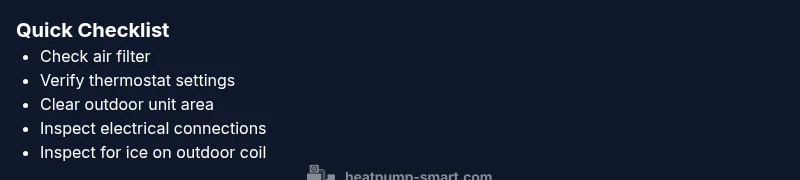
- Check the air filter and replace or clean if dirty. A clogged filter reduces airflow, triggering the system to restart frequently. Pooling heat or cold spots in the home may indicate reduced capacity.
- Verify thermostat settings, including mode (heat/cool), fan, and the presence of a thermostat schedule. A misconfigured setting can cause rapid cycling or short cycles.
- Ensure outdoor condenser coils are clear of debris, snow, or ice and that the area around the unit has at least 2 feet of clearance for airflow.
- Inspect for ice or frost on the outdoor coil. Ice buildup means low refrigerant pressure, poor airflow, or a defrost issue requiring professional attention.
- Check the electrical panel for tripped breakers or loose connections. A minor power issue can cause the thermostat and outdoor unit to repeatedly start.
- Confirm that ductwork is sealed and vents are open. Leaky ducts can create pressure imbalances that trigger cycling.
- If the home has a smart thermostat, ensure it is connected, updated, and not sending conflicting commands to the heat pump.
If you do not find an obvious cause from these checks, continue with the diagnostic flow below and plan to call a licensed technician if the problem persists.
Diagnostic reasoning: common causes by category
There are several broad categories that explain heat pump cycling. Online forums and service calls frequently point to thermostat problems, airflow issues, refrigerant or electrical faults, and defrost cycles as the main culprits. When heat pump keeps turning on and off, start by separating causes into controllable (thermostat, settings, filters) and systemic (refrigerant, compressor, valve, sensors).
- Thermostat-related causes: calibration drift, incorrect timing, or incompatible smart thermostats with your heat pump model.
- Airflow-related causes: dirty filter, blocked return ducts, closed vents in unused rooms, or restricted outdoor airflow.
- Refrigerant and sensor-related causes: low refrigerant due to leaks, faulty pressure switch, or sensor misreads that cause early restart.
- Defrost-related causes: during cold weather, the outdoor unit may go into a defrost cycle, briefly stopping cycling if ice forms on coils.
- Electrical and component wear: loose wires, failing capacitors, or worn contactors can produce intermittent starts.
Heatpump Smart analysis suggests that addressing thermostat and airflow factors first often resolves the issue without expensive service. If the problem remains after basic checks, plan a professional analysis focusing on refrigerant levels, electrical connections, and sensor integrity.
Defrost cycles and outdoor temperature effects
Defrost cycles are a normal part of heat pump operation in freezing conditions. When the outdoor coil accumulates frost, the system temporarily heats the outdoor coil to melt ice, which can feel like the heat pump is turning on and off. If defrost cycles are frequent or extended, it may indicate poor heat transfer, low refrigerant charge, or an aging outdoor coil. This behavior is sometimes mistaken for a fault, but in many cases it is a protective cycle that prevents ice buildup. Inspect the outdoor unit for ice formation and listen for a brief increase in outdoor fan activity during defrost. If defrost seems abnormal or prolonged, a service check is warranted to verify proper defrost control and refrigerant status.
Thermostat compatibility and control issues
A misbehaving thermostat can trigger rapid cycling. Older thermostats may not communicate properly with newer heat pump models, and some smart thermostats introduce scheduling quirks or app-based overrides. Check that the thermostat is compatible with your heat pump’s heat strip or fast-heat settings. Calibrate or replace the thermostat if it reports incorrect indoor temperatures or if the display shows inconsistent readings. In many homes, upgrading to a compatible thermostat with clean wiring reduces cycling dramatically. If you notice a mismatch between indoor temperature and the thermostat reading, this is a common sign to review controls before investigating mechanical faults.
When airflow or duct issues cause cycling
Poor airflow, whether from dirty filters, closed dampers, or leaky ducts, can cause the system to work harder and restart more often. Check efficiency by verifying that the return air paths are unblocked and that supply registers are open in occupied rooms. A blower motor struggling to push air through a clogged filter can trigger short cycling as the system overheats quickly. Sealing joints, inspecting the blower wheel for obstructions, and cleaning the condensate drain line can alleviate several cycling patterns associated with air movement. In addition, ensuring that the outdoor unit has unobstructed airflow prevents short cycling due to heat buildup inside the cabinet.
When to call a professional and what to expect
If heat pump keeps turning on and off after you have addressed filters, thermostat, airflow, and defrost, it is time to call a licensed HVAC technician. A pro will check refrigerant levels for leaks, inspect electrical connections, test pressure switches, and measure superheat and subcooling. They will also verify the defrost control and sensor readings. While waiting for service, avoid recharging refrigerant yourself or opening electrical panels beyond basic safety steps. You can help the technician by noting when the cycling occurs, any sounds you hear, and recent changes to thermostats or insulation. A professional diagnosis will identify root causes beyond simple maintenance and help prevent future cycling.
Maintenance to prevent future cycling
Prevention is the best approach to reduce drainage of energy and improve comfort. Implement a regular maintenance schedule that includes filter changes every 1-3 months, seasonal checks of refrigerant lines, and a duct inspection every 1-2 years. Keep the outdoor unit clear of debris and ensure the condensate drain is flowing freely. Consider a seasonal thermostat check to ensure compatibility with your heat pump model. Finally, maintain proper insulation and sealed ductwork to minimize load fluctuations that can trigger cycling. Regular maintenance saves energy and reduces the odds of heat pump keeps turning on and off in the future.
Documentation and communication with technicians
When talking to an HVAC technician, share a clear timeline of the cycling patterns, including temperature settings, outdoor temperature, defrost episodes, and whether cycling occurs more during heating or cooling. Provide model numbers for both the heat pump and thermostat, any recent changes, and a record of filter changes. This context helps the technician isolate issues fast and prevents unnecessary part replacements. Good documentation also helps you track maintenance milestones, so you can plan ahead and avoid repeated cycling episodes.
Steps
Estimated time: 30-60 minutes
- 1
Verify thermostat and settings
Check that the thermostat is configured to heat or cool as needed, that the fan is in automatic mode, and that any schedules or adaptive features are disabled during troubleshooting. Confirm the setpoint is appropriate for the current season and occupancy.
Tip: Document any unusual readings on the thermostat display for the technician. - 2
Inspect air filter and airflow
Turn off power at the breaker before inspecting the air filter. If dirty or clogged, replace it with the correct MERV rating for your system and ensure all supply and return vents are open. Check ducts for obvious blockages.
Tip: A clogged filter is the most common cause of rapid cycling. - 3
Check outdoor unit clearance and ice buildup
Look for leaves, snow, or debris around the outdoor unit and ensure at least 2 feet of clearance. If you see frost or ice on the coil, turn the system off and allow defrost; contact a pro if it recurs.
Tip: Ice on the coil can indicate a refrigerant or airflow issue that needs professional attention. - 4
Inspect electrical connections
With power off, check the outdoor and indoor disconnects for tight connections. Loose wires or burnt components can cause intermittent cycling and safety hazards.
Tip: If you smell burnt insulation, do not operate the unit; call a pro immediately. - 5
Evaluate defrost cycle behavior
In cold weather, cycling may be due to defrost control. Observe whether cycling coincides with outdoor temperature drops or defrost events; long or frequent defrosts warrant professional evaluation.
Tip: Defrost timing is model dependent; do not alter defrost settings without guidance. - 6
Assess refrigerant status
Only a licensed tech should check refrigerant levels. Low refrigerant or leaks can cause cycling and reduced efficiency; never attempt to recharge refrigerant yourself.
Tip: Note any hissing sounds or oily spots near lines as hints of leaks. - 7
Test sensors and controls
Sensors in the indoor air handler or outdoor unit may misread temperatures, causing cycling. A tech will test sensor signals and control logic to verify proper operation.
Tip: Accurate sensors prevent improper start-up and cycling. - 8
Conclude with a professional diagnostic
If basic checks fail to resolve the issue, schedule a professional diagnostic. Prepare a list of symptoms, dates, and any recent changes for the technician.
Tip: Professional diagnostics can reveal hidden issues and prevent future cycling. - 9
Post-fix verification and maintenance
After repair or replacement, re-check cycling behavior over several cycles, verify airflow, and reset thermostat settings if needed. Schedule a follow-up maintenance visit to prevent recurrence.
Tip: Keep a simple log of cycling episodes to monitor performance.
Diagnosis: Heat pump keeps turning on and off repeatedly, causing uncomfortable temperatures and energy waste.
Possible Causes
- highThermostat settings or calibration
- mediumAirflow restrictions due to dirty filter or duct issues
- lowRefrigerant leak or low charge
Fixes
- easyRecalibrate or replace thermostat; ensure compatibility with heat pump model
- easyReplace dirty air filter, inspect return air path and ducts, and clear obstructions
- mediumSchedule professional refrigerant and electrical check for leaks, sensors, and control boards
Your Questions Answered
What is the most common cause of heat pump cycling?
Thermostat issues or airflow restrictions are the most frequent culprits behind cycling. Start with thermostat checks and a clean air filter before exploring other causes.
Thermostat or airflow issues are usually the root causes; begin with filters and settings.
Can a dirty air filter cause the unit to short cycle?
Yes. A clogged air filter reduces airflow, causing the system to start and stop more often to maintain temperature.
A dirty filter can make the system restart frequently.
Should I turn off the system during defrost?
Defrost cycles are normal in cold weather. If defrost is frequent or long, have a technician check refrigerant levels and defrost control.
Defrost cycles happen in cold weather; if they’re excessive, call a pro.
Is it safe to inspect electrical connections myself?
Only basic safety steps should be performed. If you see loose wires or burning odors, shut off power and call a professional.
If you smell burning or see loose wires, stop and call a professional.
When should I replace my thermostat versus repair?
If the thermostat is old or incompatible with your heat pump, replacement may be more cost-effective than frequent repairs.
If your thermostat is outdated, replacement is often best.
Can refrigerant leaks cause cycling?
Yes, leaks can cause low pressure and short cycling. A licensed tech must locate and repair leaks before recharging.
Leaks require a licensed tech to fix and recharge properly.
Watch Video
Top Takeaways
- Identify thermostat or airflow issues first
- Clean or replace filters to restore airflow
- Defrost cycles can mimic faults in cold weather
- Call a pro for refrigerant/electrical checks
- Maintain regular preventive maintenance to reduce cycling