Heat Pump Blowing Cold Air? Comprehensive Troubleshooting Guide
Learn how to diagnose and fix a heat pump blowing cold air. Quick checks, step-by-step fixes, safety tips, and guidance from Heatpump Smart to get your home comfortable again.


Most likely, the heat pump is in cooling mode or the reversing valve is stuck, which makes cold air blow instead of heat. Start by verifying the thermostat is set to heat, not cool, and that the fan is on auto. Check for a dirty filter, blocked outdoor unit, or iced coils, then reset if needed.
Why Your heat pump is blowing cold air and the phrase that often echoes in homes: "my heat pump is blowing cold air." In most cases, the issue starts with simple settings or airflow problems rather than a faulty compressor. The heat pump is designed to operate in heating mode when you select heat on the thermostat, but a few common missteps can make it deliver chilly air instead. This section outlines the most frequent culprits and why they matter, so you can diagnose with confidence and act quickly to restore warmth. Heat pumps are complex systems that respond to outdoor temperatures, indoor settings, and airflow; understanding how these pieces fit together helps you pinpoint the root cause faster.
Quick Checks You Can Do Right Now
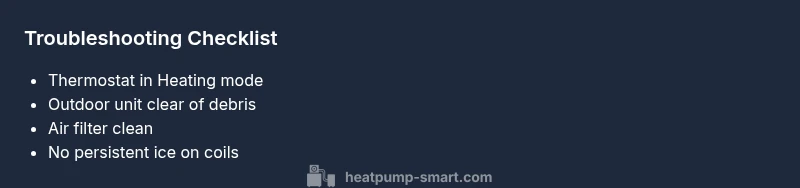
- Confirm thermostat is set to Heating: Ensure the screen shows Heat mode and not Cool or Auto. If set to Auto, verify that the system has switched to heating when temperatures drop.
- Verify fan setting: Set the fan to Auto so the system cycles on and off with heat. If the fan is running continuously on High, it may blow unheated air before the system engages heating.
- Inspect air filters: A clogged filter reduces airflow, causing cold pockets and poor heat transfer. Replace or clean filters if needed.
- Check the outdoor unit: Clear leaves, snow, and debris. A blocked condenser reduces heat extraction and can push cold air indoors.
- Look for ice on coils or lines: Ice indicates airflow or refrigerant issues and requires a defrost cycle or professional assessment.
- Assess ductwork for leaks: Cracked or leaky ducts can steal heat and deliver cold air to living spaces. Seal or insulate as appropriate.
How Defrost Mode Works and Why It Affects Heating
During cold weather, heat pumps enter defrost mode to melt frost on the outdoor coil. This defrost cycle temporarily switches the system to cooling mode, which can blow cooler air inside. If the defrost cycle runs excessively or fails to complete, you may notice prolonged cold air coming from vents. Understanding defrost helps you distinguish normal cycling from a fault, so you know when to wait it out and when to call for service.
Diagnostic Flow: From Symptom to Solution
When you notice cold air from the heat pump, start with the simplest checks first and move toward more involved diagnostics. Determine if the problem is persistent or intermittent, check thermostat settings, airflow, and outdoor unit status, then assess whether defrost cycles are functioning properly. If symptoms persist after basic checks, escalate to a professional evaluation to inspect refrigerant charge and reversing valve operation.
Step-by-Step Fixes for the Most Common Cause
- Verify thermostat heating mode and setpoint. 2) Clean or replace air filters. 3) Clear the outdoor unit and ensure proper airflow. 4) Listen for defrost cycles and observe if ice builds up and melts properly. 5) If the air remains cold after basic steps, perform a safe power cycle by turning off the system at the breaker for 60 seconds and then back on. 6) If none of these steps resolve the issue, contact a licensed HVAC technician to inspect refrigerant levels and mechanical components.
Safety, Prevention, and When to Call a Pro
Working around electrical components and refrigerant lines carries risk. Always turn off power before inspecting electrical access panels, avoid using metal tools near live connections, and never attempt refrigerant service yourself. Regular maintenance, including filter changes, coil cleaning, and duct sealing, reduces the likelihood of cold air issues. If you notice ice that persists or refrigerant smells, call a pro immediately.
Steps
Estimated time: 45-75 minutes
- 1
Verify thermostat settings
Check that the thermostat is set to Heat and that the setpoint is higher than the current room temperature. If the display shows Cool or Auto with cooling active, adjust to Heat and recheck operation.
Tip: Use a programmable thermostat to avoid manual errors during seasonal changes. - 2
Inspect airflow and filters
Turn off the system and remove access to the air filter. Replace a dirty filter with a clean one and run the system on Heat to observe improvement in warm air delivery.
Tip: Keep replacement filters on hand and set reminders for periodic changes. - 3
Check the outdoor unit
Look for snow, leaves, or debris that could block airflow. Rake away debris and ensure the condenser receives adequate airflow on all sides.
Tip: MaIntain at least 2 feet of clearance around the unit for best performance. - 4
Assess defrost behavior
During cold weather, defrost cycles may briefly blow cooler air. If you notice frequent or extended defrost cycles, note the duration and frequency and plan a professional check if concerns persist.
Tip: Keep doors and vents closed during defrost to avoid backdrafts. - 5
Perform a safe power cycle
Switch off the heat pump at the breaker, wait 60 seconds, then restore power and observe if warm air returns. This resets minor control glitches.
Tip: Do not perform power cycling if you smell gas or see electrical burning odors. - 6
Call a pro when needed
If the issue remains after basic checks, schedule service to inspect refrigerant charge, compressor, and reversing valve. Refrigerant issues require licensed technicians.
Tip: Ask for a written diagnostic report and estimated repair costs.
Diagnosis: Heat pump blowing cold air
Possible Causes
- highThermostat set to cooling mode or Auto with cooling engaged
- highReversing valve stuck or failed
- mediumBlocked or dirty outdoor unit reducing heat transfer
- highAir filter clogged causing restricted airflow
- mediumIce on coils or refrigerant leak causing reduced capacity
- mediumElectrical fault or breaker tripped affecting system operation
Fixes
- easySwitch thermostat to heat mode and verify setpoint is higher than room temperature
- easyInspect and replace dirty air filters; ensure blower is functioning
- easyClear debris around the outdoor unit and confirm proper airflow to the condenser
- mediumCheck for ice on outdoor coils; allow defrost to complete and monitor; if persistent, call a pro
- easyReset system power at the breaker and verify controls post-reset
- hardIf cold air persists, schedule professional refrigerant and reversing valve inspection
Your Questions Answered
Why is my heat pump blowing cold air even when it's cold outside?
Cold outdoor temperatures can trigger defrost cycles or cause the heat pump to operate in a mode that feels cooler indoors. Start with thermostat settings and airflow checks, then inspect for ice buildup or blocked outdoor airflow.
Cold outdoor temperatures can trigger defrost cycles. Start with thermostat settings and airflow checks, then inspect for ice or blockages.
Could thermostat settings cause this issue?
Yes. If the thermostat is set to Cool or Auto with cooling engaged, the system can deliver cooler air. Ensure Heat mode is selected and the setpoint is comfortable for indoor warmth.
Yes—check that the thermostat is in Heat mode and set to a comfortable temperature.
What is a reversing valve and how does it fail?
The reversing valve switches between heating and cooling. If stuck, the unit may deliver cold air in heating mode. A professional should test valve operation and refrigerant flow.
The reversing valve directs whether the system heats or cools. If stuck, it can cause cold air in heating mode.
What should I do about ice on the outdoor unit?
Ice indicates poor heat transfer or airflow; allow defrost and check for restricted airflow. If ice recurs, schedule service to inspect coils and refrigerant levels.
Ice on the outdoor unit means you should let it defrost and have a technician check for issues.
When should I call a professional?
If basic checks don’t restore warmth, or you suspect refrigerant leaks or component failures like the reversing valve, contact a licensed HVAC technician promptly.
Call a professional if basic fixes fail or you suspect refrigerant or valve problems.
Watch Video
Top Takeaways
- Check thermostat and mode first.
- Maintain airflow by cleaning filters and clearing the outdoor unit.
- Defrost cycles can affect perceived warmth; distinguish normal from faulty.
- Call a pro for refrigerant or reversing valve concerns.