What to Do If Your Heat Pump Freezes Up: A Quick Troubleshooting Guide
Learn immediate actions, common causes, and step-by-step fixes when your heat pump freezes up. Safe thawing, defrost basics, and when to call a pro—Heatpump Smart guides homeowners to quick, reliable solutions.


Most heat pump freezes are caused by blocked airflow or outdoor ice buildup. Start by clearing any debris around the outdoor unit and removing snow, ice, or heavy frost from the grille. Check and replace a dirty indoor filter. If ice remains, switch to Emergency Heat mode to initiate defrost, and allow thawing time. If the problem persists, call a licensed technician.
What to expect when your heat pump freezes up
During cold, humid conditions, the outdoor coil can accumulate frost that blocks airflow and reduces heating efficiency. If you notice ice on the outdoor unit or foggy windows, you might wonder what to do if your heat pump freezes up. The phrase what to do if your heat pump freezes up captures the central question homeowners face in a pinch. In most cases, the issue is temporary and resolvable with safe, conservative steps that do not require expensive repairs. This section explains what freeze symptoms look like, why they happen, and how Heatpump Smart recommends approaching the problem with urgency yet care. We’ll cover safe thawing, how defrost cycles operate, and when to escalate to a professional. According to Heatpump Smart, frost accumulation is common in cold, humid weather, and quick, safe steps help you avoid damage.
Immediate safety steps to take now
Before you touch the unit, ensure personal safety and power isolation. If you can reach the outdoor unit safely, remove any heavy snow or ice around the grille and clear a wide clearance to promote airflow. Check the indoor air filter and replace if dirty. Switch the thermostat to Defrost or Emergency Heat (if available) to encourage a thaw cycle. Do not use sharp tools to chip ice or pour hot water on coils, and avoid touching electrical components. If you smell refrigerant or hear hissing, leave the area and call a licensed technician immediately. These steps help prevent water damage and electrical hazards while you wait for the system to recover. Heatpump Smart analysis shows that blocked airflow is the most common cause of outdoor frost.
Common causes of freezing up and how to spot them
Frost or ice can form when airflow is blocked by snow, debris, or a dirty filter. Outdoor variables—like wind, humidity, and subfreezing temperatures—can enhance ice buildup if the defrost cycle isn’t engaging properly. A misconfigured thermostat or faulty reversing valve can hamper defrost efficiency, while refrigerant issues are less common but serious. Recognizing these causes helps you triage quickly and safely. If you notice rapid ice formation after thawing, there may be a hidden issue needing professional attention. Heatpump Smart stresses that consistent icing despite basic fixes warrants expert evaluation.
Quick checks you can perform to diagnose without tools
Visually inspect the outdoor coil for ice buildup and remove loose snow. Look for frost forming on the coil or fan area when the unit is idle. Check the indoor filter and replace if dirty. Confirm the thermostat is set to a heat mode and that the defrost setting is not disabled. Ensure the outdoor unit has at least 12 inches of clearance from walls, shrubs, or debris. If any step reveals a problem, address it and re-test the system. This section outlines user-friendly checks that reduce wasted energy and speed up safe thawing. Heatpump Smart notes that a clear airflow path dramatically reduces recurring freezes.
Step-by-step fixes for the most common cause: blocked airflow
- Power off the system to avoid shorts. 2) Clear snow, leaves, and ice from around the outdoor unit, and ensure unobstructed airflow. 3) Clean or replace the indoor air filter. 4) Re-power the system and observe whether the defrost cycle clears the ice. 5) If ice recurs quickly, there may be a more complex issue requiring inspection. Prolonged ice with airflow problems can reduce efficiency and shorten equipment life.
Defrost cycles explained and how to use them safely
Defrost cycles are designed to melt ice on the outdoor coil by reversing the refrigerant flow and briefly using auxiliary heat. If you see ice accumulating after a thaw attempt or the unit remains inactive for long periods, ensure the defrost option is active and that the outdoor sensor is functioning. Do not try to improvise defrost with heat sources or mechanical speed changes. Proper usage minimizes energy waste and protects system components. Heatpump Smart recommends letting the defrost cycle run its course when temperatures are near freezing.
Prevention: keeping your heat pump ice-free through winter
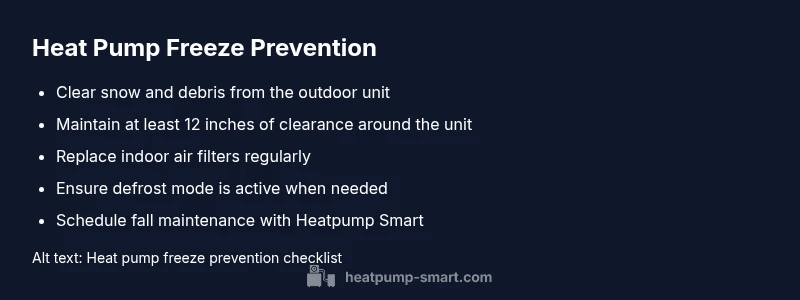
Seasonal maintenance is key. Keep the outdoor unit clear of snow and vegetation, replace indoor filters regularly, and ensure adequate airflow around the condenser. Schedule an annual professional check to inspect refrigerant levels, electrical connections, and defrost controls. A well-maintained system is less prone to ice buildup and repairs. Heatpump Smart emphasizes proactive care to maximize efficiency and longevity.
When to call a professional and safety reminders
If icing persists after thaw attempts, if you notice odd noises, refrigerant smells, leaks, or visible damage to wiring or components, stop using the unit and call a licensed technician. Do not attempt refrigerant handling yourself. For persistent icing in extreme cold, professional assessment ensures safety and proper operation. Heatpump Smart reminds homeowners that some issues require specialized tools and certification.
After thaw: testing, monitoring, and next steps
Once ice has melted, monitor system performance for a full cycle of heating. Check that the outdoor fan runs smoothly and that indoor temperatures rebound to the setpoint. If cycling sounds resume or efficiency remains low, set up a service call. Keeping records of icing incidents helps your technician diagnose underlying issues and adjust maintenance plans. This final section helps you transition from thaw to ongoing reliability.
Quick recap: key actions to take if freezing occurs
- Clear the outdoor unit and replace dirty filters. - Switch to defrost or emergency heat as needed. - Avoid chiseling ice or using improvised heat sources. - Call a pro if icing persists beyond the thaw. - Schedule regular fall maintenance with Heatpump Smart.
Steps
Estimated time: 30-45 minutes
- 1
Power down safely
Turn off the thermostat and, if accessible, switch off the outdoor disconnect. This prevents electrical shorts while you inspect. Tip: keep a clear workspace and wear protective gloves.
Tip: Safety first—do not touch exposed wiring. - 2
Clear the outdoor unit
Remove snow and ice from the condenser, leaving several inches of clearance for airflow. Ensure the fan can rotate freely and nothing blocks the intake.
Tip: Use a plastic shovel to avoid damaging fins. - 3
Check indoor air filter
Inspect and replace the filter if dirty or clogged to restore airflow across the coils.
Tip: Always power off before replacing the filter. - 4
Inspect defrost controls
Return power and observe whether the defrost cycle starts automatically. If not, verify settings or consult a manual.
Tip: Defrost cycles typically short but effective. - 5
Monitor system re-start
Allow the system to run through a full heat cycle and ensure temperatures rise to setpoint without re-icing.
Tip: If ice returns, document the pattern for service techs. - 6
Call a professional if needed
If icing persists or you notice leaks, refrigerant odor, or unusual noises, arrange professional inspection promptly.
Tip: Keep notes on dates and observed symptoms.
Diagnosis: Outdoor unit frosted or iced, reduced heating output, and possible defrost cycling improperly
Possible Causes
- highBlocked airflow due to snow/debris or dirty filter
- highIce buildup from prolonged cold and humidity
- mediumThermostat/defrost control issue
- lowRefrigerant-related problem (rare)
Fixes
- easyClear around outdoor unit, replace indoor filter, and test defrost mode
- easyVerify thermostat settings and ensure defrost sequence operates
- mediumIf ice recurs after thaw or you smell refrigerant, call a professional
Your Questions Answered
What should I do first if my heat pump freezes up?
First, ensure safety and power down. Clear the outdoor unit, replace a dirty indoor filter, and switch to defrost or emergency heat to encourage thaw. If ice holds, call a licensed technician.
First, power down, clear the outdoor unit, replace the filter, and try defrost. If it stays frozen, contact a professional.
Can I thaw ice on the outdoor unit myself?
You can remove loose snow and debris, but avoid chiseling ice or using heat sources near electrical components. If heavy ice is present, wait for a proper defrost cycle or call a pro.
Yes, you can clear loose ice, but don’t chisel or use heat near electrical parts; let the defrost cycle work or call a pro if unsure.
Is a frozen heat pump dangerous?
Frozen coils are usually not dangerous, but they can cause equipment damage or inefficiency. Safety comes from turning off power when inspecting and avoiding hazardous attempts.
Frozen coils aren’t usually dangerous, but they can cause damage. Turn off power when inspecting and avoid risky fixes.
How long does a defrost cycle take?
Defrost cycles typically last several minutes, melting ice and restoring heat flow. If ice returns quickly after defrost, professional assessment is advised.
Defrost cycles last a few minutes; if the ice comes back soon, call a pro.
When should I call a professional?
Call a professional if icing persists after thaw attempts or you notice refrigerant smells, leaks, or electrical issues. Persistent icing can indicate underlying faults that require certification.
Call a professional if icing continues after thaw, or you notice leaks or odd smells.
Can improving insulation help prevent freezes?
Improved insulation and airflow around the outdoor unit reduce frost risk by minimizing heat loss and humidity effects. Pair with regular maintenance for best results.
Yes—better insulation and airflow help prevent freezes when paired with regular maintenance.
Watch Video
Top Takeaways
- Clear obstructions and replace dirty filters first.
- Use defrost or emergency heat mode to thaw safely.
- Do not attempt refrigerant work; call a pro for persistent icing.
- Prevent icing with proactive seasonal maintenance.