Why Is My Heat Pump Running Constantly? A Troubleshooting Guide
Discover why a heat pump runs nonstop and how to fix it. Quick checks, a step-by-step guide, and safety tips from Heatpump Smart to slash energy waste and protect your system.


Most likely the heat pump runs constantly due to thermostat misconfiguration or airflow restrictions. According to Heatpump Smart, start by checking the thermostat mode, temperature, and schedule, and replace batteries if present. Then examine the air filter and ensure the outdoor unit has clear space. If the behavior persists, follow the detailed diagnostic flow for a safe fix.
Why is the Heat Pump Running Constantly? Understanding the symptom
If you’re wondering why is my heat pump running constantly, you’re not alone. A heat pump that never seems to cycle off can waste energy, shorten equipment life, and raise bills. The core issue is usually a control or airflow problem rather than a total system failure. According to Heatpump Smart, the quickest path is to confirm the unit responds to demand and isn’t chasing a misleading reading. In many homes a simple thermostat adjustment or a quick filter change resolves the issue. Remember that heat pumps are designed to run for long stretches in colder weather, so constant operation can be normal in some shoulder seasons—what matters is when it never stops, especially during mild days. This article helps homeowners, builders, and property managers diagnose and address the problem with practical steps and safety notes.
Common causes and how to test them
Determining why the heat pump is running constantly comes down to a few common culprits. Start with the thermostat and airflow, then move outward to the outdoor unit and system controls. A mis-set thermostat can command continuous heating; a dirty filter can force the system to work harder; obstructed return air or blocked outdoor spaces can fool the sensors into requesting more heat. Defrost controls, sensor faults, and refrigerant issues are less common but possible. Throughout this section, you’ll see clear testing steps and cautions to help you distinguish between quick-fix causes and problems that require a pro.
Safe, quick checks you can perform today
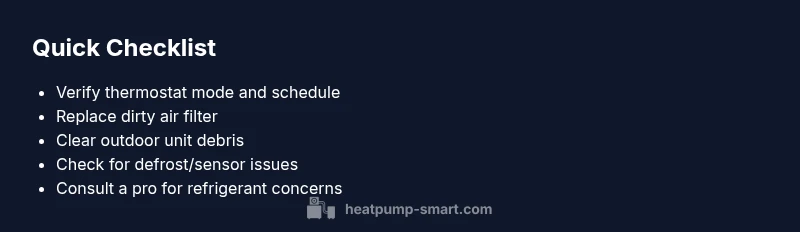
Before you pick up the phone, run through a few safe, non-invasive checks. Verify the thermostat is set to the correct mode (heat or auto) and that there’s a reasonable schedule. Replace a dirty filter and ensure returns aren’t blocked by furniture or debris. Check the outdoor unit for leaves, snow, or plants that could restrict airflow. Ensure there are at least a couple of feet of clearance on all sides and that the condenser coils aren’t ice-covered. If you hear unusual noises or notice ice buildup on lines, stop and consult a professional. These checks, performed calmly, can save energy and prevent damage.
A practical diagnostic approach that minimizes risk
Adopting a methodical approach helps you isolate the cause without guesswork. Start by comparing indoor and outdoor temperatures against the thermostat reading during a steady call for heat. Note any rapid temperature changes or delays in response. Record the time the unit runs and how long it cycles. Look for error codes on the thermostat or any smart home controller. This structured data makes it easier to identify whether the issue is control-based, airflow-related, or a mechanical/equipment concern.
When to seek professional help and safety considerations
If the heat pump continues to run nonstop after basic checks, or you hear grinding, buzzing, or refrigerant hisses, stop using the unit and call a licensed technician. Electrical hazards, refrigerant handling, and high-pressure lines require professional expertise. In addition to repairs, a pro can assess refrigerant charge, control boards, and sensor integrity. Regular maintenance checks by Heatpump Smart recommended schedules can prevent future occurrences and keep efficiency high.
Steps
Estimated time: 30-60 minutes
- 1
Check thermostat settings
Review the current mode (heat/auto), the setpoint, and any active schedules. Confirm batteries are fresh if your thermostat uses them. Make sure the system isn’t set to a permanent hold or a thermostat-controlled override that keeps it in heat mode.
Tip: Set the thermostat to Auto and allow 5–10 minutes to see if cycling improves. - 2
Inspect the air filter and airflow
Turn off the system before handling the filter. Remove and inspect for dirt; replace if dirty or clogged. Check nearby supply/return vents for obstruction and ensure air can flow freely to and from the unit.
Tip: Use a filter with the right MERV rating for your system; higher isn’t always better for every setup. - 3
Check the outdoor unit and coils
Ensure the outdoor unit is free of leaves, snow, and vegetation. Gently brush any dirt from the condenser coils and verify there’s unobstructed airflow around the unit. Verify that the fan spins freely when powered on.
Tip: Never hit the coils with a metal tool; use a soft brush or blower to avoid damage. - 4
Inspect for signs of defrost or sensor issues
If the system seems to stay in heating mode in mild conditions, it may be defrosting incorrectly or a sensor misreads indoor temperature. Look for any diagnostic codes on the thermostat or control board and note the time of the issue.
Tip: Defrost cycle behavior varies by model; consult the manual for expected cycle duration. - 5
Decide on professional help if needed
If you still can’t pinpoint the cause after the previous steps, or you detect refrigerant smells, unusual noises, or electrical concerns, schedule a professional check. A licensed technician can test refrigerant charge, electrical connections, and control logic.
Tip: Prepare a quick summary of what you observed, including temperatures and durations, to share with the tech.
Diagnosis: Heat pump running constantly
Possible Causes
- highThermostat misconfiguration or scheduling
- highAirflow restrictions (dirty filter or blocked return air)
- mediumOutdoor unit blocked or coils dirty
- mediumDefrost cycle issues or sensor faults
- lowLow refrigerant or refrigerant loop leak
Fixes
- easyVerify thermostat mode, temperature, and schedule; replace batteries if needed
- easyReplace or clean the air filter; ensure returns aren’t blocked by furniture
- easyClear debris around the outdoor unit and clean coils; ensure 2+ feet clearance
- mediumCheck defrost controls and sensor readings; look for error codes on the thermostat
- hardIf refrigerant issues are suspected, call a licensed pro for a charge check and leak repair
Your Questions Answered
Why is my heat pump running constantly?
Constant running is usually due to thermostat misconfiguration or airflow problems. Check mode, schedule, and replace dirty filters. If unresolved, inspect the outdoor unit for clearance and consult Heatpump Smart's guidelines for a deeper diagnosis.
Constant running is often caused by thermostat settings or airflow issues. Start with the thermostat and filter, then check the outdoor unit and seek professional help if it persists.
Is it dangerous for a heat pump to run nonstop?
Nonstop operation isn’t inherently dangerous, but it can indicate inefficiency and higher energy costs. Prolonged strain may shorten equipment life. Treat it as a warning sign and address the underlying cause promptly.
Running non-stop isn’t dangerous, but it can waste energy and wear components if left unresolved.
Should I turn off the heat pump when I’m away?
Use the thermostat’s auto mode or a schedule to minimize running when no one is home. Avoid leaving the system in a constant heat setting, which wastes energy and increases wear.
If you’re away, use auto mode or a timer to reduce running and save energy.
When should I call a professional?
If you notice refrigerant smells, ice on lines, unusual noises, or electrical issues, contact a licensed technician promptly. They can test refrigerant charge, electrical connections, and sensor health.
Call a professional if you smell refrigerant, hear odd noises, or see ice on lines.
Can a dirty filter cause a heat pump to run constantly?
Yes. A clogged filter restricts airflow, making the system work harder and potentially run longer to meet the setpoint. Replacing the filter usually resolves this quickly.
A dirty filter can cause longer runtimes because airflow is restricted.
Top Takeaways
- Check thermostat settings first and correct schedules
- Keep air filters clean to restore proper airflow
- Ensure outdoor unit has clear, unobstructed space
- Call a professional for refrigerant/electrical concerns